

I never thought a trip to Korea would make me cry. As a third-generation Korean-American, my connection to the motherland had always been filtered through my grandmother's stories and the occasional K-drama binge. But standing in Andong Hahoe Village, surrounded by 400-year-old houses still inhabited by descendants of the same clans, something shifted inside me.
The Mask Dance That Changed Everything
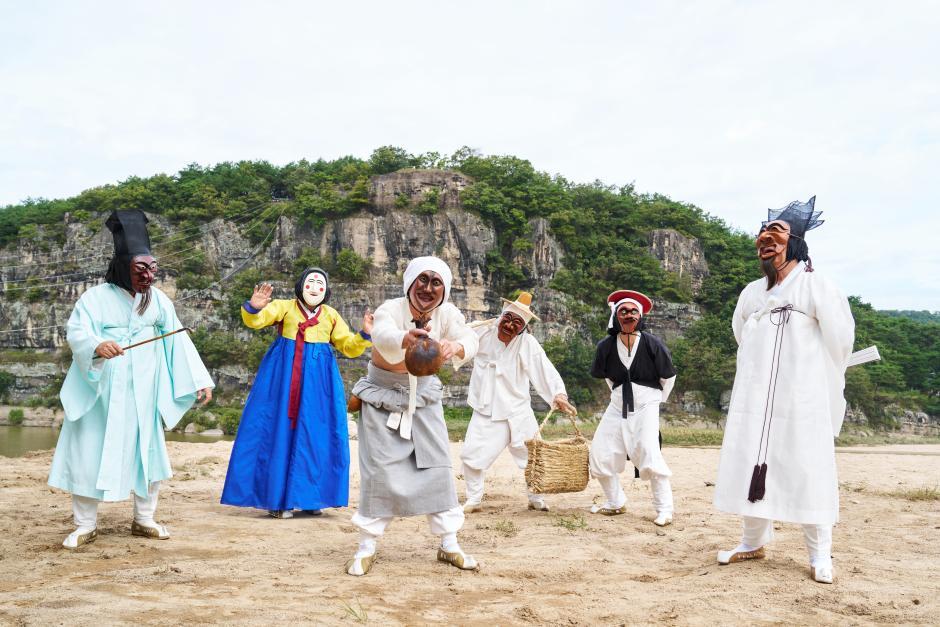
It was during the Hahoe Byeolsin-gut Tal-nori, a traditional mask dance that has been performed in this village for centuries. As the dancers moved and the drums echoed off the surrounding mountains, I felt a connection to something far older and deeper than I had ever experienced.
Finding the Family Name
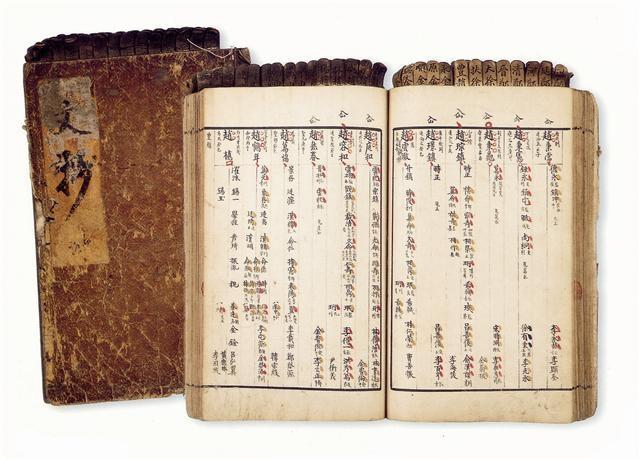
The village elder, upon hearing my family name, led me to a centuries-old genealogy book. There, in faded ink, was a branch of our family tree that had been carefully maintained for over 15 generations. My grandmother's stories suddenly had physical proof.

I sat quietly on the wooden floor of the clan hall, running my fingers along the edge of the pages while the elder explained how Korean families had preserved these records through wars, occupations, and generations of change. The names before me weren't just names anymore. They were farmers, scholars, mothers, merchants, and children who had lived entire lives long before my family ever imagined America.

One name in particular caught my attention. The elder pointed to a man born in the early 1800s and explained that he had served as a local teacher in the region. Several generations later, another ancestor had been recorded as helping rebuild parts of the village after a devastating flood. The details were small, but they transformed my ancestors from distant figures into real people. As we talked, an elderly woman entered the hall. Through a mix of Korean, English, and translation help from a younger villager, we discovered that her family belonged to the same clan branch. She laughed when I showed her a photograph of my grandmother. "She has our eyes," she said.
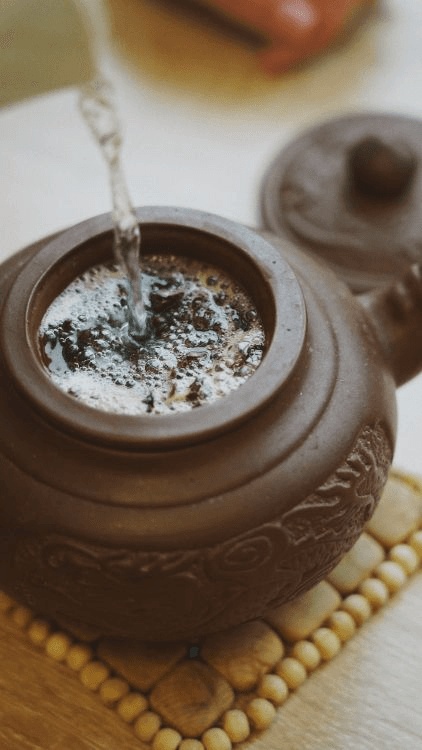
For the rest of the afternoon, they welcomed me like family. We shared tea, looked through old photographs, and exchanged stories. I learned about clan traditions, ancestral rites, and customs that had quietly survived for centuries. They wanted to know everything about my life in California. I wanted to know everything about theirs.

That evening, I walked to a viewpoint overlooking the village. The Nakdong River curved around Hahoe like an embrace, just as it had for hundreds of years. The tiled roofs glowed in the golden light of sunset, and smoke drifted from chimneys where families were preparing dinner.

I thought about my grandparents, who had worked long hours after immigrating to America. I thought about my parents, who balanced two cultures while trying to give me opportunities they never had. For most of my life, I had viewed my Korean heritage as something interesting but distant—a chapter that began before I was born. Standing there, I realized it was still my story.
I wasn't suddenly more Korean than I had been the week before. I couldn't speak the language fluently, and I still had much to learn. But I no longer felt disconnected. The village, the genealogy records, and the people I met had given me something I didn't know I was missing: a sense of belonging.
Before I left, the village elder presented me with a copy of our family's genealogy page. He told me that family history is not only about looking backward.
"It is also about knowing where you stand," he said.

That document now hangs framed in my home. Whenever friends ask about it, I tell them about a village in Andong where traditions are still alive, where families remember names from centuries ago, and where a Korean-American woman unexpectedly found a piece of herself.
I traveled to Korea hoping to learn more about my ancestors.
Instead, I learned that their story is still being written—and that I'm part of it.
And for the first time in my life, I felt proud not just of where my family came from, but of carrying that history forward.
DISCOVER MORE STORIES

Korea Winter Travel: 5 Festivals for Ice Fishing, Sledding, and Snow Adventures
2026.10.16

Christmas in Korea: 5 Ways to Enjoy Seoul in December
2026.10.14

3 Korean Artisan Experiences: Meet the Makers Behind Traditional Crafts
2026.10.12

3 Beautiful Places to Visit in Korea in Autumn: Gyeongju, Naejangsan & Suncheon
2026.10.09

Seoraksan in Autumn: A Beautiful Mountain Escape on Your Korea Trip
2026.10.07

CONTACT
Contact
To find out about more about your Korean family roots, give us an inquiry. We'll help you discover your familial roots
SPEAK TO AN EXPERT