

Most travelers come to Seoul excited about Korean food but quickly run into the same problem: too many choices and not enough local knowledge.
The best meals in Seoul are often hidden in neighborhood streets, traditional markets, and small restaurants that rarely appear on international travel lists. The good news? You don't need fluent Korean to find them.
With a few simple tools and a little preparation, you can enjoy Seoul the way locals do.
Before You Go: What to Prepare
Before leaving your hotel, prepare three essentials:
- Download translation App for menu translations
- Save a few useful Korean phrases
- Keep a payment card easily accessible
A transportation card is also recommended. Some of Seoul's best food experiences are just one subway stop farther than most tourists are willing to travel.
One important thing to remember: an English menu does not automatically mean a tourist restaurant. Many local restaurants provide translated menus for office workers, students, and international visitors.
For a typical lunch in central Seoul, expect to spend around 10,000–15,000 KRW for noodles, soups, or rice dishes.
Choose a Food Neighborhood First
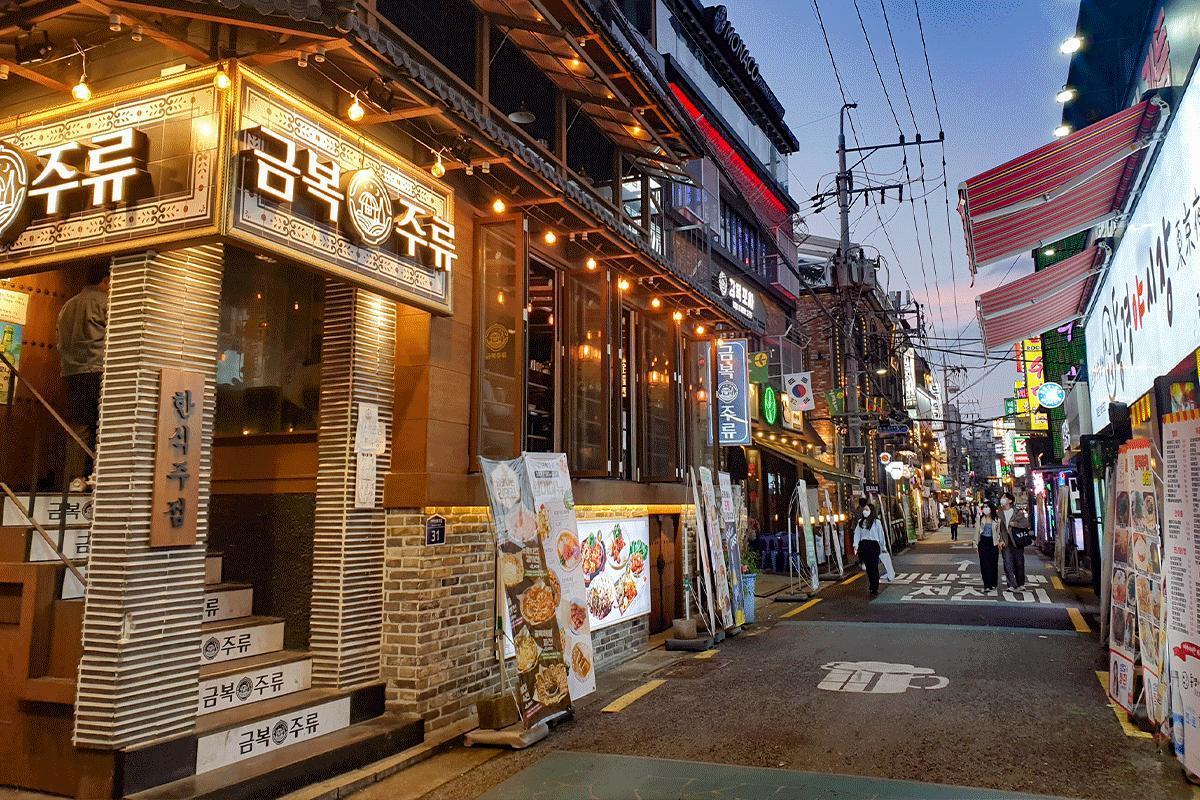
Instead of searching for "the best restaurant in Seoul," start by choosing a food district.
This simple strategy immediately narrows your options and makes discovering local restaurants much easier.Jeonju: The Soul of Bibimbap
No K-Food journey is complete without visiting Jeonju, the birthplace of Bibimbap. The city's Hanok Village is lined with restaurants that have perfected this iconic dish over generations.
- Jongno & Gwangjang Market
Start at Jongno 5-ga Station Exit 8 and walk toward Gwangjang Market.
This area offers traditional Korean market food, local specialties, and one of Seoul's most authentic dining atmospheres. - Mangwon
Exit 2 of Mangwon Station leads you into one of Seoul's favorite neighborhood food districts. You'll find local bakeries, casual restaurants, and market stalls frequented by residents rather than tourists. - Euljiro
Around Euljiro 3-ga Station Exits 3 and 4, narrow alleyways come alive after work hours. It's one of the best places to experience Seoul's after-hours dining culture. Pro tip: Arrive around 11:30 a.m. if you want to avoid lunch queues.
How to Find English Menus Without Losing the Local Experience
Use Naver Map or KakaoMap and search for the actual dish rather than broad terms like "best restaurant."
Try keywords such as:
- Noodles
- Stew
- Pork cutlet
- Gimbap
Before reading reviews, check the photo gallery.
Menu photos, food images, and dining room pictures often tell you far more than reviews ever will.
A restaurant with a steady lunch crowd between 11:40 a.m. and 12:30 p.m. is usually a positive sign.
Create an Offline Backup Before Lunch
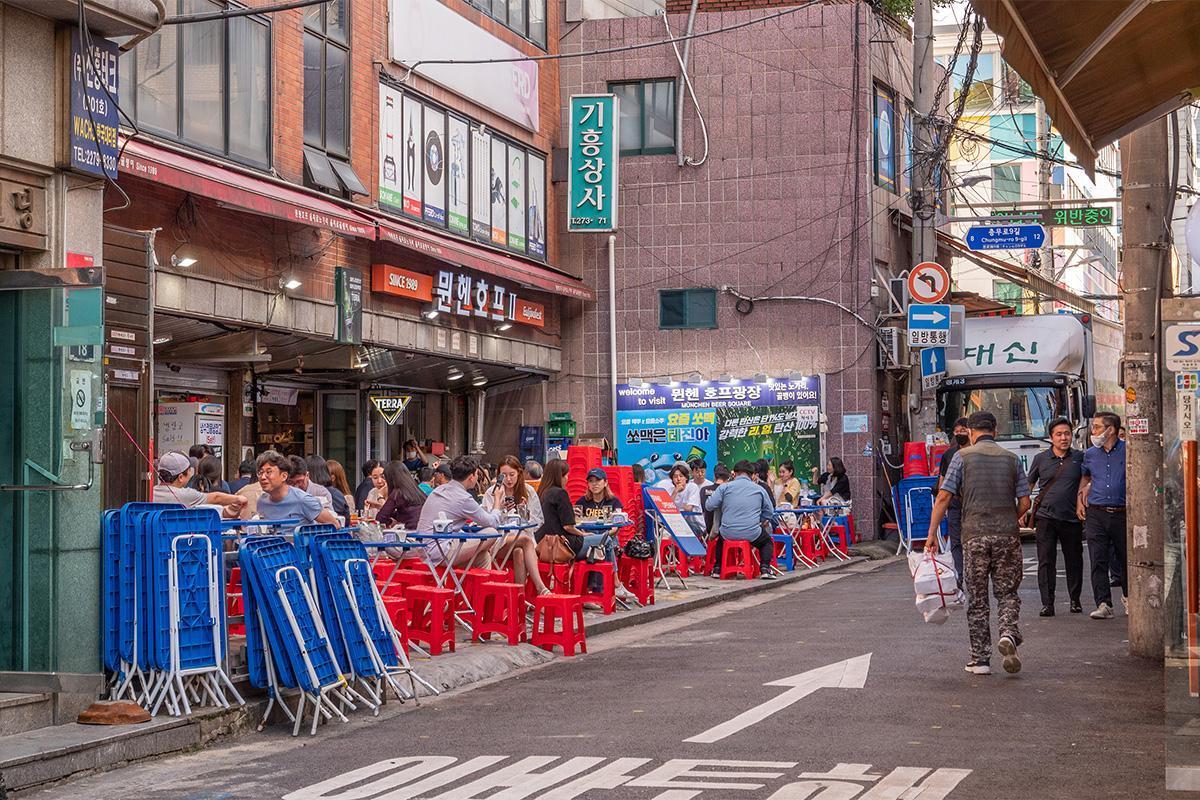
Although Seoul has excellent connectivity, underground markets and basement restaurants can occasionally cause signal issues.
Before heading out, save:
- Restaurant name
- Map location
- Exterior photo
- Menu photo with prices
- Basic Korean ordering phrases
- Nearest subway exit
Store everything in one album on your phone.
Future you will be grateful.
Five Korean Phrases That Make Ordering Easy
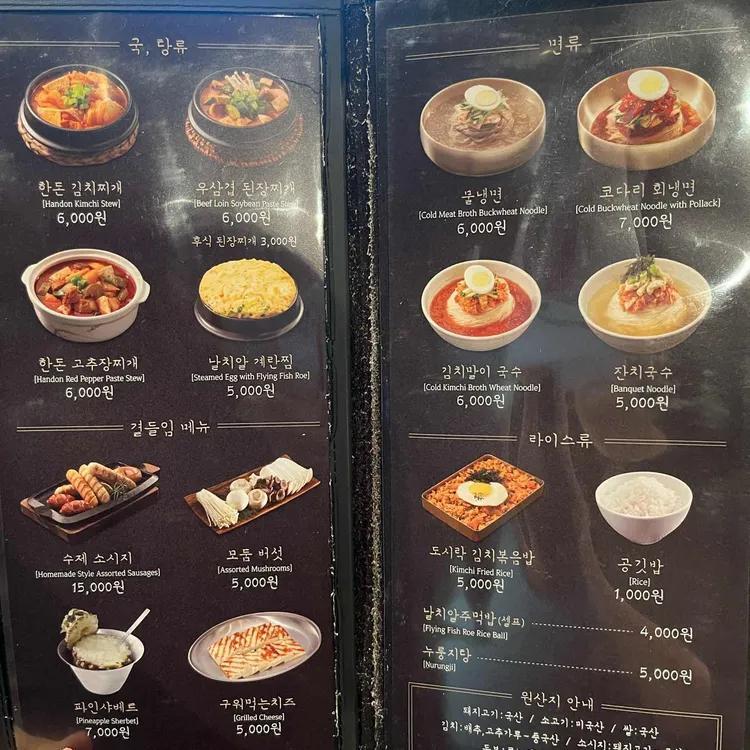
You don't need perfect Korean.
A few simple phrases can handle most dining situations.
Menu juseyo (메뉴 주세요.)
Please give me a menu.
Igeo hana juseyo (여기 하나 주세요.)
One of this, please.
Maepji anke haejuseyo (맵지 않게 해주세요.)
Please make it not spicy.
Mul juseyo (물 주세요.)
Water, please.
Gyesanhalgeyo(계산할게요.)
I'd like to pay.
Even if your pronunciation isn't perfect, pointing to menu photos usually solves everything.
Paying Like a Local
Many casual restaurants in Seoul expect customers to pay at the front counter rather than at the table.
Simply watch what local diners do and follow their lead.
Credit cards are widely accepted, but carrying around 20,000 KRW in cash is helpful for traditional markets and street food stalls.
Tipping is not part of Korean dining culture, so there's no need to leave extra money on the table.
Final Thoughts
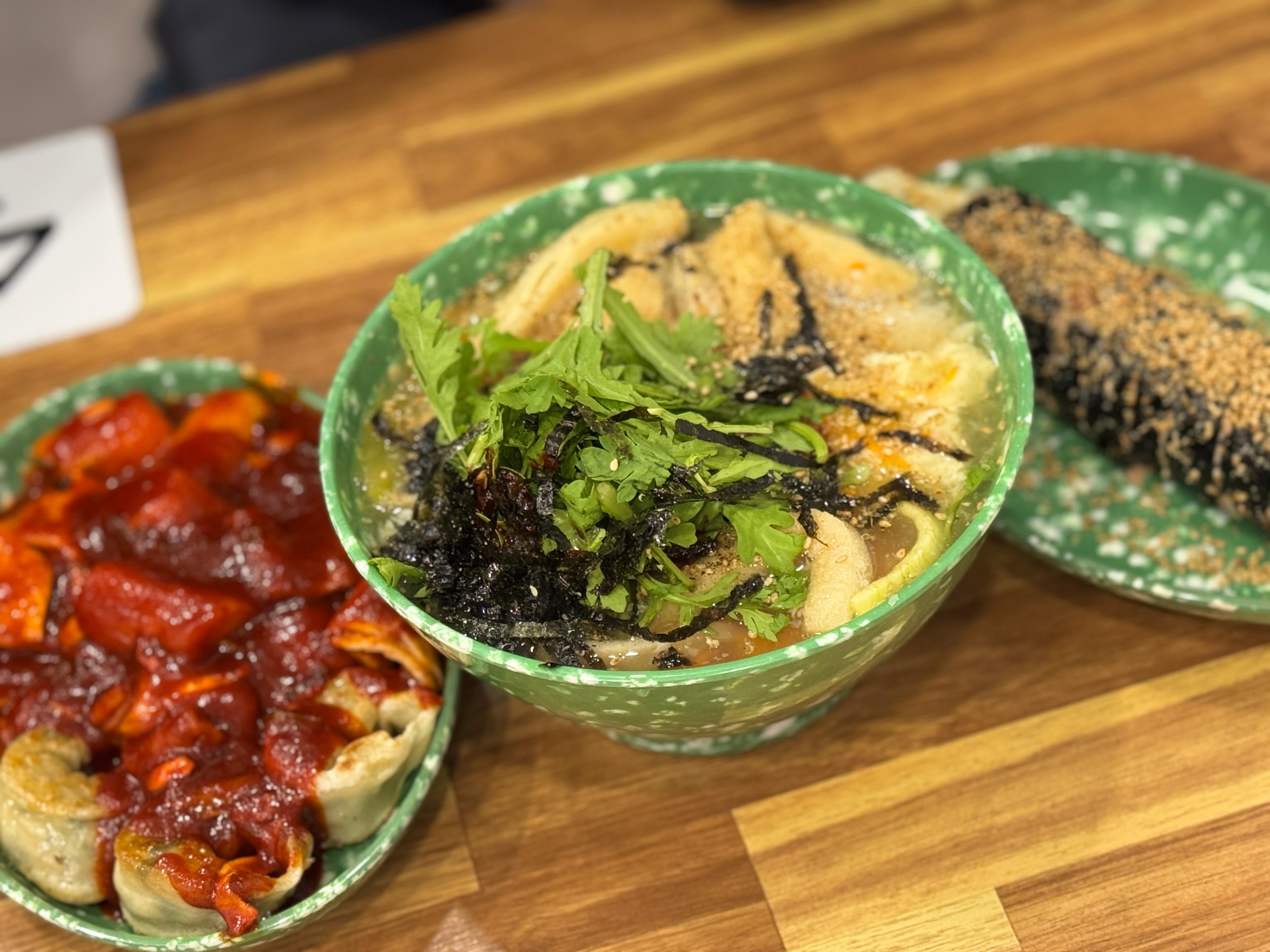
The best food experiences in Seoul rarely come from searching for famous restaurants online.
They come from choosing the right neighborhood, following local dining habits, and being willing to step inside places that don't look designed for tourists.
Save this guide for your Korea trip planning.
And when you're ready to experience Seoul beyond the guidebooks, Hanway can help you discover the local side of Korea through private, tailor-made journeys designed around your travel style, interests, and pace.
DISCOVER MORE STORIES

Korea Winter Travel: 5 Festivals for Ice Fishing, Sledding, and Snow Adventures
2026.10.16

Christmas in Korea: 5 Ways to Enjoy Seoul in December
2026.10.14

3 Korean Artisan Experiences: Meet the Makers Behind Traditional Crafts
2026.10.12

3 Beautiful Places to Visit in Korea in Autumn: Gyeongju, Naejangsan & Suncheon
2026.10.09

Seoraksan in Autumn: A Beautiful Mountain Escape on Your Korea Trip
2026.10.07

CONTACT
Want more than a list of restaurants? Hanway designs private, tailor-made journeys that help you experience Korea the way locals do
Tell us what you’re looking for,
and our team will craft a private journey
that matches your taste, pace, and purpose.