

When most travelers think about Korean food, they picture sizzling Korean barbecue, spicy kimchi, or late-night street food in Seoul. And yes — those are experiences worth traveling for. But there is another side of Korean cuisine that many Western travelers have never heard about: Korean Buddhist temple food.
Quiet, seasonal, deeply intentional, and surprisingly sophisticated, temple food offers something rare in modern travel — a meal that slows you down.
Korean temple food has recently found an unexpected global spotlight.
In Netflix’s hit cooking competition Culinary Class Wars Season 2, viewers were introduced to Venerable Sunjae, a Buddhist monk and master of Korean temple cuisine. Her calm presence, disciplined technique, and deeply philosophical approach to cooking stood out in a show built around intensity, competition, and culinary spectacle.
For many international viewers, it was their first encounter with sachal eumsik — 사찰음식 — Korean Buddhist temple food.
Unlike the Korean dishes most Western travelers already know, temple food is not built around barbecue, seafood, garlic, or fiery spice. It is seasonal, plant-based, mindful, and rooted in centuries of Buddhist practice.
And thanks to chefs and monastics like Venerable Sunjae — along with globally recognized figures such as Jeong Kwan of Chef’s Table — Korean temple cuisine is no longer hidden quietly in mountain temples. It is becoming one of Korea’s most fascinating culinary experiences for travelers seeking something deeper.
For visitors to Korea, trying temple food is more than simply having a meal. It is a way to experience Korean culture, philosophy, wellness, and tradition all at once.
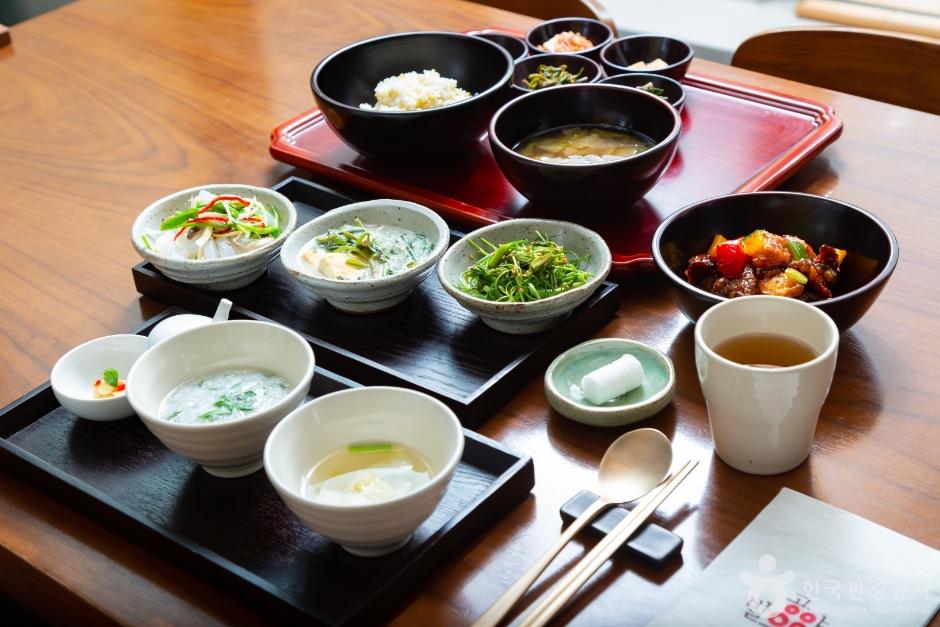
Source: Visitkorea
What Is Korean Temple Food?
Korean temple food (사찰음식, sachal eumsik) originated in Buddhist temples scattered throughout Korea’s mountains. For centuries, Buddhist monks developed a cuisine centered around balance, mindfulness, and harmony with nature.
Unlike many cuisines built around indulgence or abundance, temple food was shaped by restraint and simplicity. The goal was not simply to eat, but to nourish both body and mind.
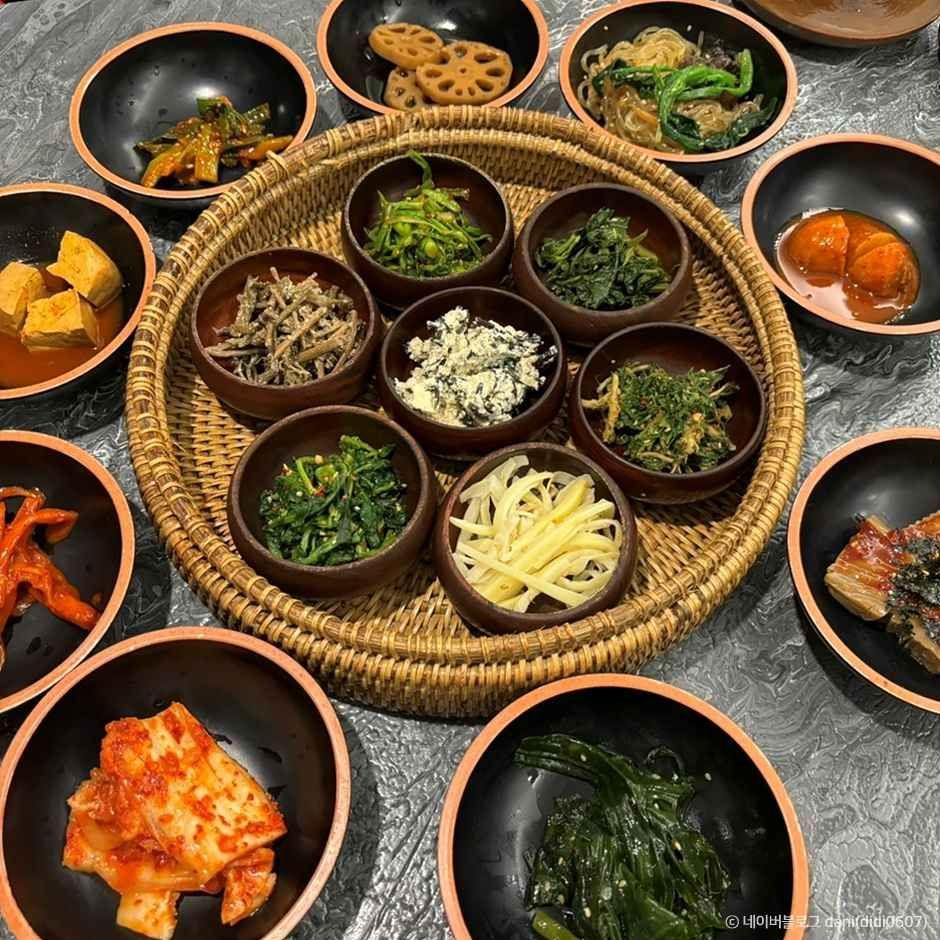
Traditional temple meals avoid meat, seafood, dairy, and even strong aromatics like garlic, onions, chives, and leeks. Instead, the cuisine relies on wild greens, mountain vegetables, fermented sauces, roots, mushrooms, tofu, sesame, perilla, and seasonal herbs.
At first glance, Western travelers sometimes assume this means the food must be bland.
It is not.
Temple food is layered, earthy, delicate, and surprisingly complex. Fermentation techniques developed over hundreds of years create incredible depth of flavor without relying on heavy seasoning or animal products.
In many ways, Korean temple food feels incredibly modern — even though it has existed for centuries.
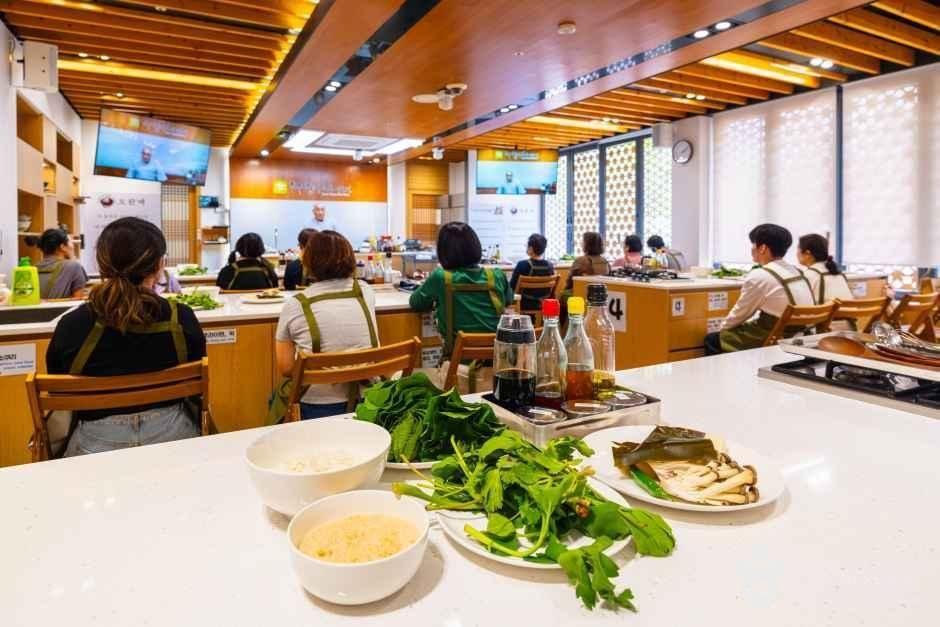
Source: Visitkorea
Why Western Travelers Connect With Temple Food
Temple food resonates strongly with many modern travelers because it aligns with values that are becoming increasingly important worldwide:
- Mindful eating
- Plant-based dining
- Sustainability
- Farm-to-table cooking
- Slow travel
- Wellness and balance
In cities like New York, Copenhagen, London, and Los Angeles, travelers already seek out Michelin-starred vegetable-forward restaurants and wellness-focused dining experiences. Korean temple cuisine naturally fits into this movement.
But unlike modern wellness trends, temple food was never designed for marketing.
It evolved organically over centuries of monastic life.
That authenticity is what makes the experience so powerful.
Many travelers leave a temple meal surprised not only by the flavors, but by how calm and grounded they feel afterward.
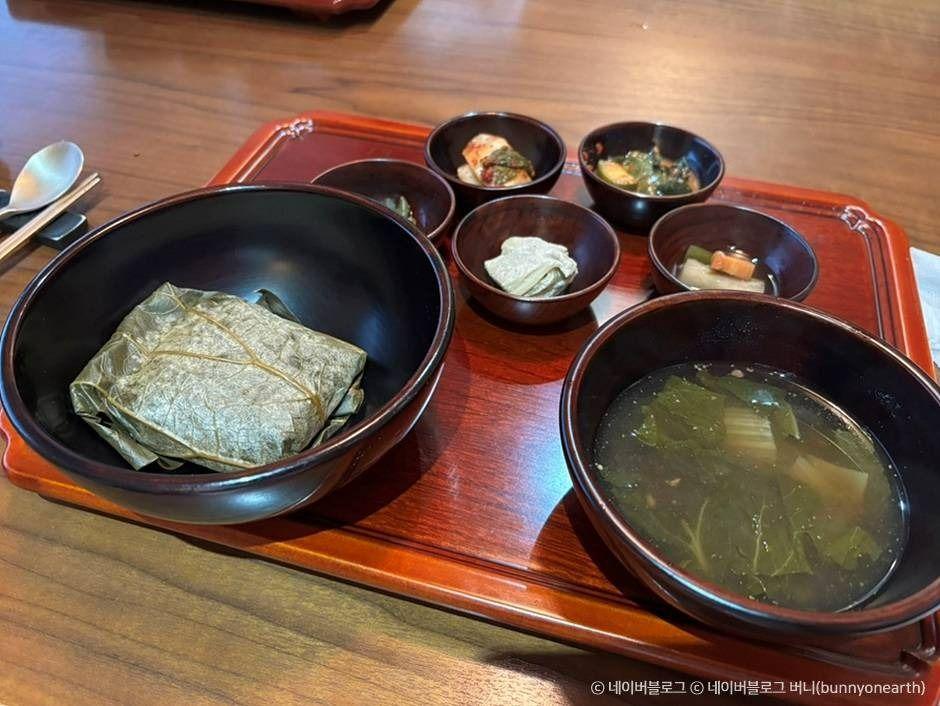
Source: Visitkorea
What Does Temple Food Actually Taste Like?
Temple food focuses heavily on seasonality, meaning no two meals are exactly alike.
Depending on the season and region, you may encounter:
- Lotus root with soy glaze
- Wild mountain greens (namul)
- Fresh tofu made at the temple
- Perilla leaf dishes
- Mushroom hot pots
- Acorn jelly
- Pine nut porridge
- Fermented soybean soups
- Seasonal vegetable pancakes
- Kimchi made without garlic or fish sauce
Texture plays a huge role. Crunchy roots, delicate leaves, chewy mushrooms, silky tofu, and deeply fermented sauces create balance in every meal.
Rather than overwhelming the palate with spice or richness, temple food encourages you to notice subtle flavors you might otherwise miss.
For many Western visitors, it becomes less about “having dinner” and more about experiencing Korean philosophy through food.
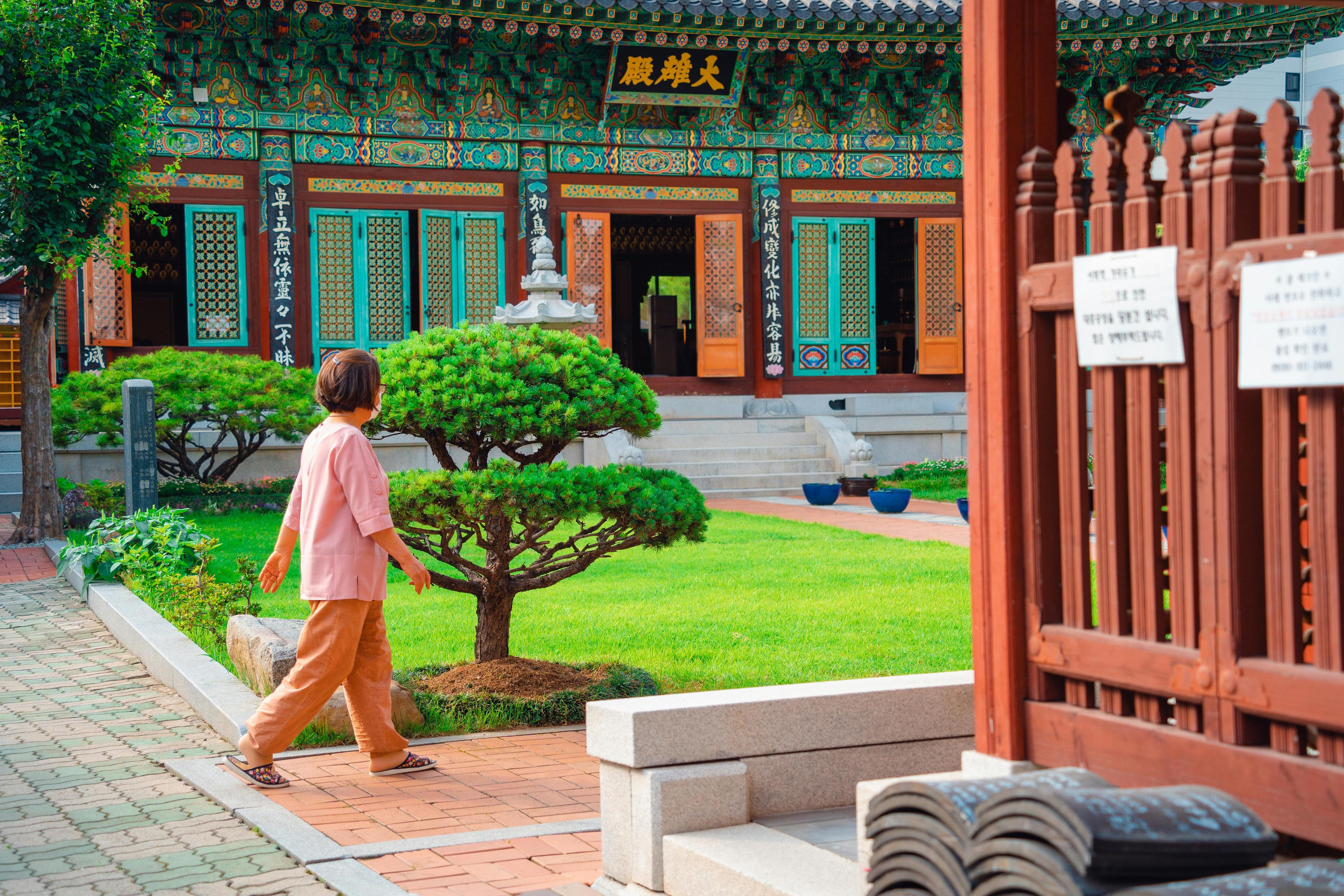
Source: Visitkorea
Where Can You Experience Temple Food in Korea?
One of the best things about temple cuisine is that it can be experienced in several different ways depending on your travel style.
Temple Stay Programs
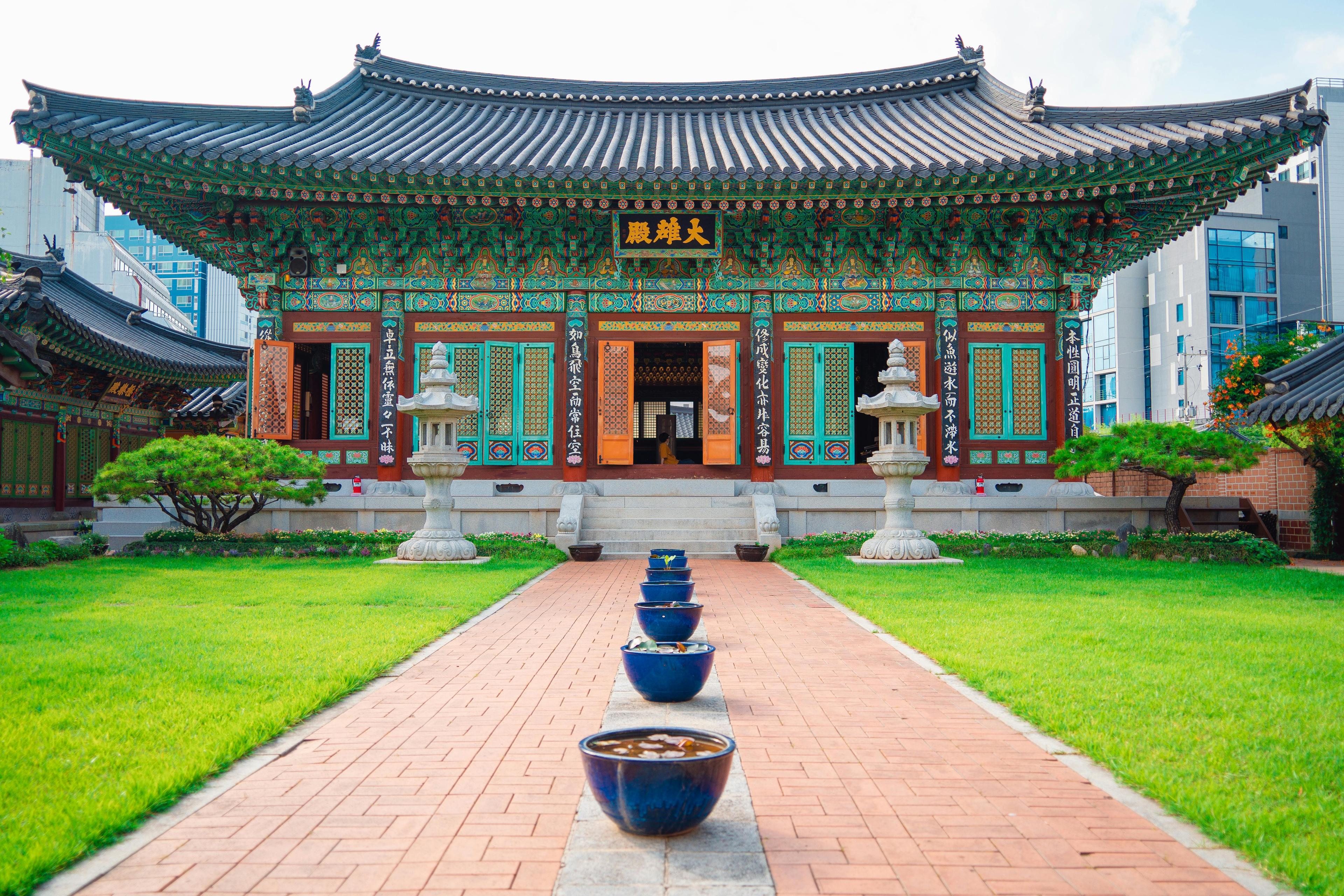
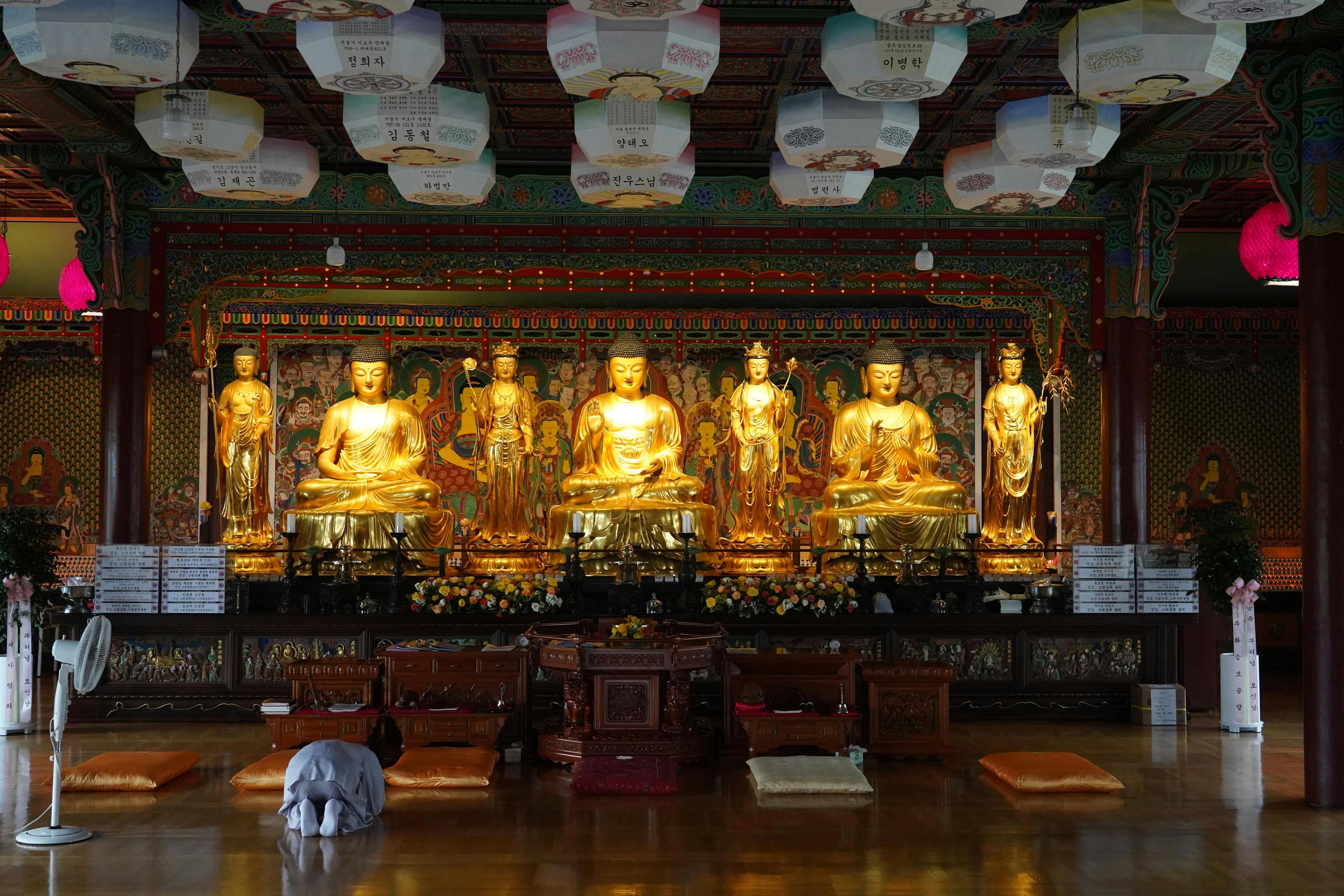
Many Buddhist temples across Korea offer overnight temple stay programs where guests can participate in meditation, tea ceremonies, and communal temple meals.
This is the most immersive way to experience temple food because you experience it within the environment where it originated.
Popular temples offering temple stays include:
- Golgulsa Temple near Gyeongju
- Beopjusa Temple in Songnisan National Park
- Haeinsa Temple, home to the Tripitaka Koreana
- Baekyangsa Temple, made internationally famous through Netflix’s Chef’s Table featuring Buddhist nun Jeong Kwan
These experiences often become highlights for travelers seeking a deeper cultural connection with Korea.
Temple Food Restaurants in Seoul
Travelers who prefer comfort and convenience can still enjoy temple cuisine without staying overnight at a temple.
Seoul has several exceptional temple food restaurants, ranging from traditional dining halls to Michelin-recognized fine dining experiences.
Restaurants inspired by temple cuisine often reinterpret traditional recipes in elegant modern ways while staying true to Buddhist culinary philosophy.
This makes temple food highly accessible even for first-time visitors to Korea.
Source: Visitkorea
Source: Visitkorea
More Than Food: A Cultural Experience
What makes Korean temple food special is not just the ingredients.
It is the philosophy behind them.
In temple culture, cooking is considered a form of practice and mindfulness. Nothing is wasted. Ingredients are treated with respect. Meals are prepared according to nature’s rhythms rather than convenience.
In a world increasingly built around speed and distraction, temple food offers something travelers rarely experience anymore: intentional silence and presence.
Even travelers who are not religious often describe temple meals as emotionally memorable.
Not because the experience is extravagant.
Because it feels genuine.
Source: Visitkorea
Why Temple Food Should Be On Your Korea Itinerary
Many visitors come to Korea expecting energy — neon streets, fast-paced cities, shopping districts, nightlife, and K-pop culture.
Temple food reveals Korea’s quieter side.
It introduces travelers to the country’s deep philosophical and spiritual traditions while offering one of the healthiest and most unique culinary experiences in Asia.
And unlike many tourist attractions, temple cuisine is still deeply connected to everyday Korean cultural heritage.
This is not a recreated experience for tourists.
It is a living tradition.
Experience Korean Temple Food With Hanway Travel
For many international travelers, arranging authentic temple food experiences can feel overwhelming. Language barriers, transportation logistics, temple stay reservations, dietary questions, and cultural etiquette can quickly become complicated.
That is where Hanway Travel comes in.
At Hanway Travel, we specialize in helping travelers experience Korea beyond the surface. Whether you want a luxury wellness-focused itinerary, a private cultural journey, or a fully immersive Buddhist temple stay, we arrange every detail for you.
From transportation and reservations to personalized cultural experiences and local guidance, we make Korean temple cuisine accessible, seamless, and unforgettable.
Because the best travel experiences are not just about seeing Korea.
They are about truly experiencing it.
For travelers searching for something meaningful, Korean temple food may become the experience they remember most.

DISCOVER MORE STORIES

Korea Winter Travel: 5 Festivals for Ice Fishing, Sledding, and Snow Adventures
2026.10.16

Christmas in Korea: 5 Ways to Enjoy Seoul in December
2026.10.14

3 Korean Artisan Experiences: Meet the Makers Behind Traditional Crafts
2026.10.12

3 Beautiful Places to Visit in Korea in Autumn: Gyeongju, Naejangsan & Suncheon
2026.10.09

Seoraksan in Autumn: A Beautiful Mountain Escape on Your Korea Trip
2026.10.07

CONTACT
Let’s Plan Your
Unforgettable Korea Experience
Tell us what you’re looking for,
and our team will craft a private journey
that matches your taste, pace, and purpose.