

Decide how much movement you want after Seoul. That matters more than the city name. Busan gives you big-city energy with sea air. Gyeongju slows you down. Jeju needs more planning because the island spreads out fast. Gangneung is easy when you want coast without a huge mental reset. Jeonju works when food and old streets are the main event.
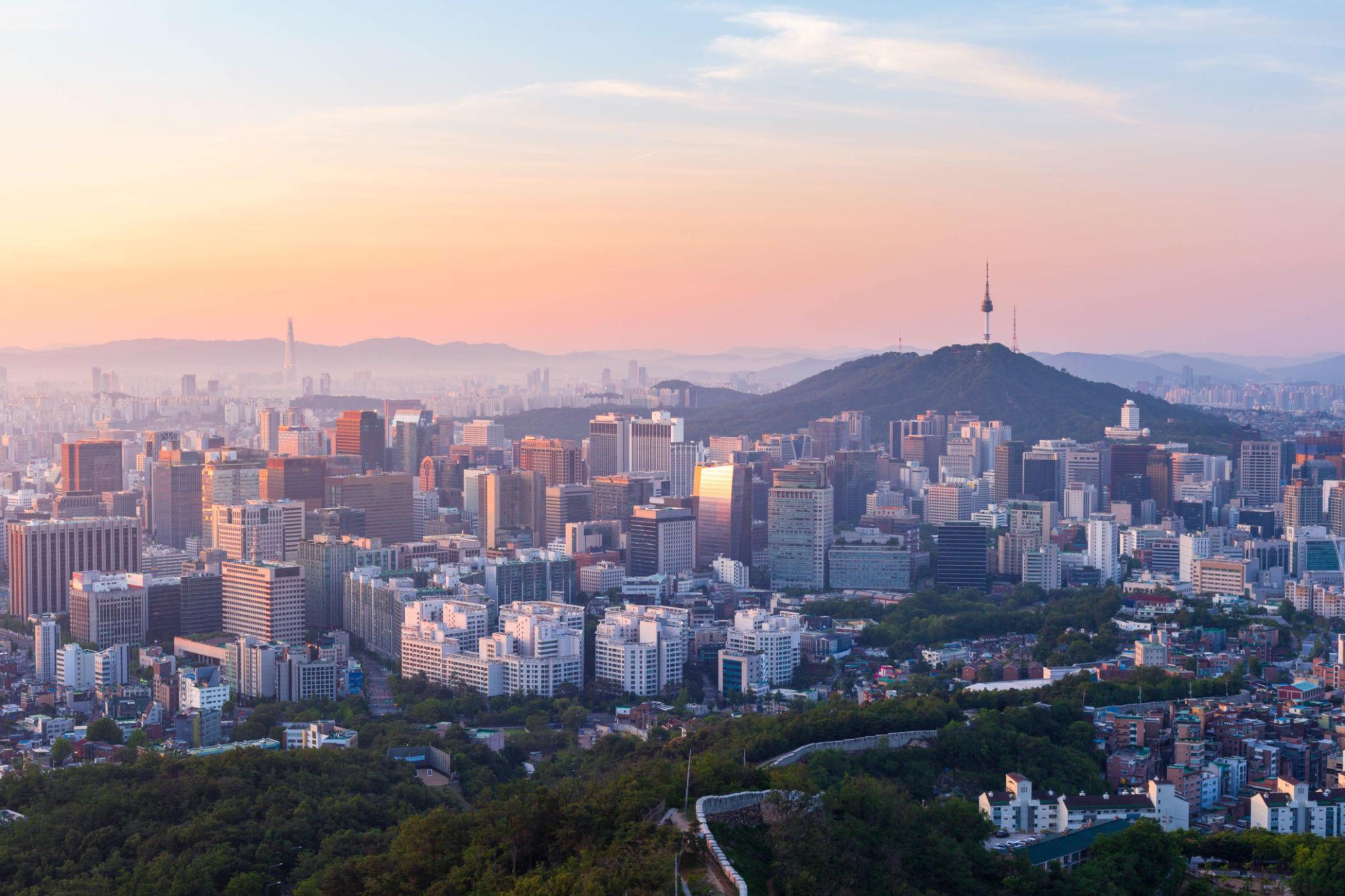
First-time visitors usually get one thing wrong. They pick the place with the prettiest photos, then forget how tired they feel after four Seoul days. If your feet are already angry, choose a compact city. If you still want late nights, markets, and a skyline, choose Busan.
The common confusion is whether these are “day trips.” Treat them as overnight stops. Gyeongju, Gangneung, and Jeonju can feel manageable on a tight plan, but they become better after dinner, when tour groups thin out and locals reclaim the streets. Busan and Jeju deserve at least two nights if you can spare them.
Choose Gyeongju when you want calm history
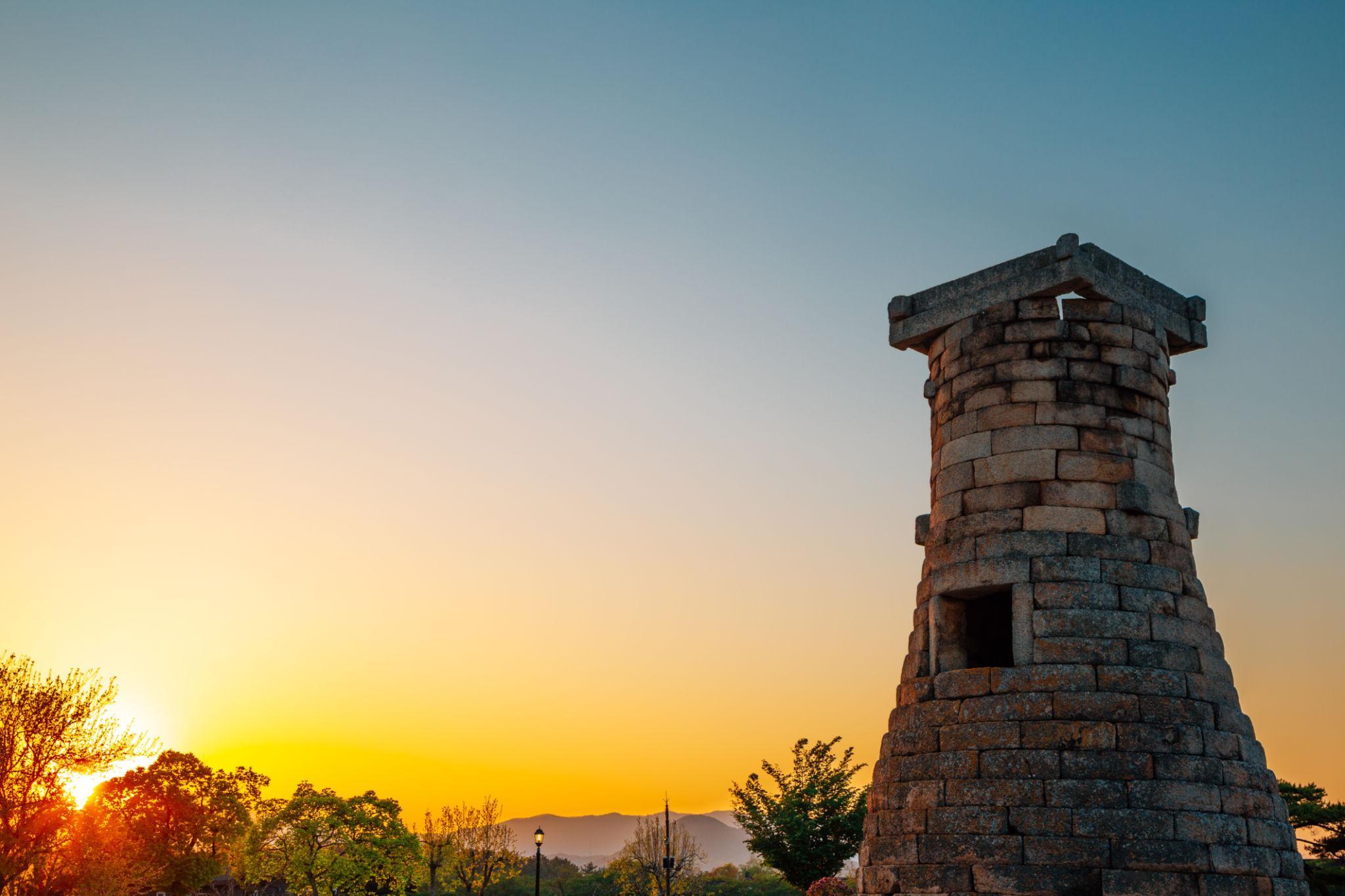
Pick Gyeongju if you want the trip to exhale. From Seoul, the journey is usually around two hours by high-speed rail before the local transfer into the main area. The pace changes quickly. You notice low roofs, wider skies, and quiet streets broken by rental bikes and school groups.
This is the city for travelers who liked Seoul but need space. Stay near the historic core if this is your first visit. Evening is the sweet spot. The light drops, the paths grow softer, and the city stops feeling like a school textbook. Food leans simple and comforting: rice sets, noodle shops, grilled meat, and cafes in renovated old houses.
Gyeongju is easy, but not instant. The sights are spread just enough to punish overplanning. Choose two areas for the day, not five. You will enjoy it more when you stop treating every mound, pond, and old lane like a checklist. The best part is the rhythm: a quiet lunch, a slow afternoon, then one glowing night walk after the day crowd leaves.
Pick Busan when you still want a city
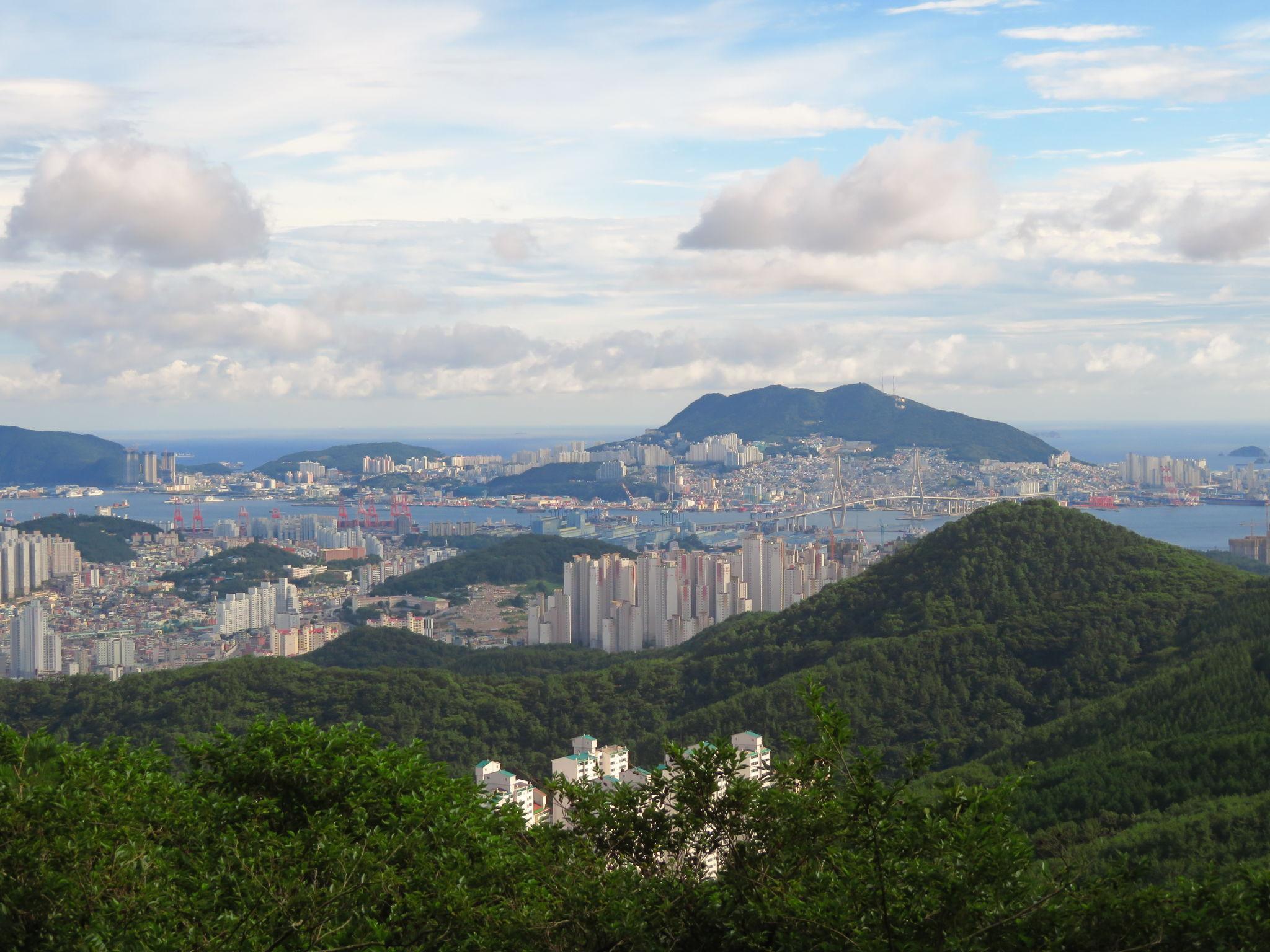
Choose Busan if leaving Seoul for silence sounds like a mistake. The rail trip is about two and a half to three hours, depending on service. You arrive in another major city, not a soft landing pad. The air feels saltier. The streets sound rougher. People move with the confidence of a port city that does not need to impress you.
First-timers usually split between the beach side and the older central areas. The beach side feels easier if you want cafes, sea views, and a clean first impression. The central neighborhoods feel better if you want markets, seafood, and the kind of evening where steam rises from food stalls while delivery scooters thread through narrow lanes.
Busan is the most forgiving choice after Seoul for travelers who want options. Rain does not ruin the day. You can move indoors, eat well, and still feel like you used your time. The catch is scale. Do not plan the city like one compact beach town. Pick one main zone per half-day. Your legs will thank you, quietly but sincerely.
Book Jeju when you want landscape first
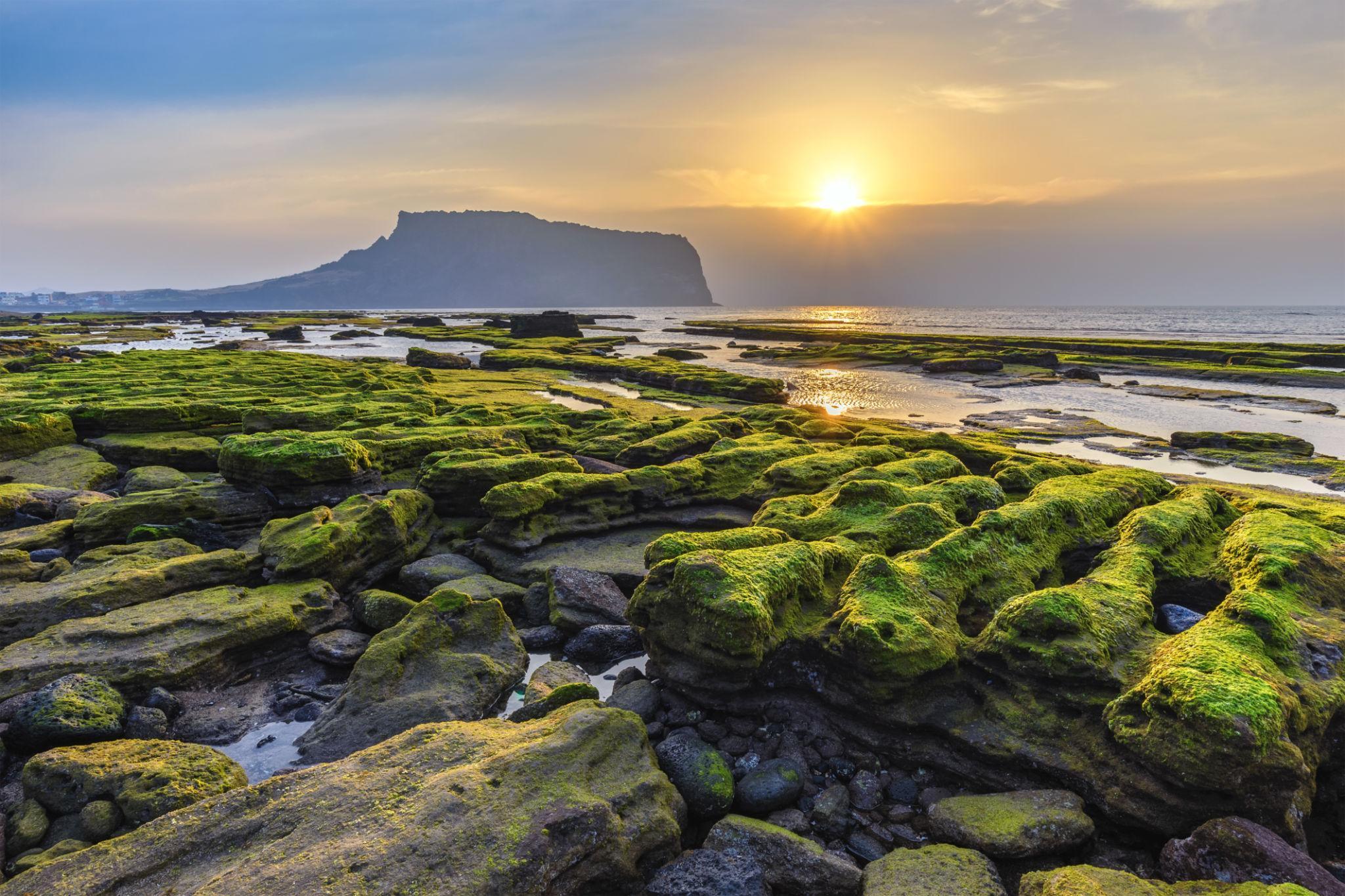
Book Jeju when you want black rock, wind, tangerine stalls, and a different texture to the trip. The flight itself is short, but airport time changes the real cost of the day. Do not treat Jeju like a quick city hop. It works best when you give it breathing room.
Jeju rewards travelers who choose a base with intention. The island is bigger in practice than it looks on a screen. If you want cafes, simple meals, and lower stress, stay in a town area rather than chasing a remote view for every night. If you want cliffs, coast roads, and quieter mornings, accept that meals and movement need more planning.
Food is part of the reason to go. Expect seafood, pork, noodle soups, and seasonal fruit. The mood shifts with the weather. On a clear day, Jeju feels open and cinematic. In heavy wind, it feels blunt and practical. Pack a layer even outside winter. The island has a way of reminding you that weather is not background decor.
Aim for Gangneung when you need coast without fuss
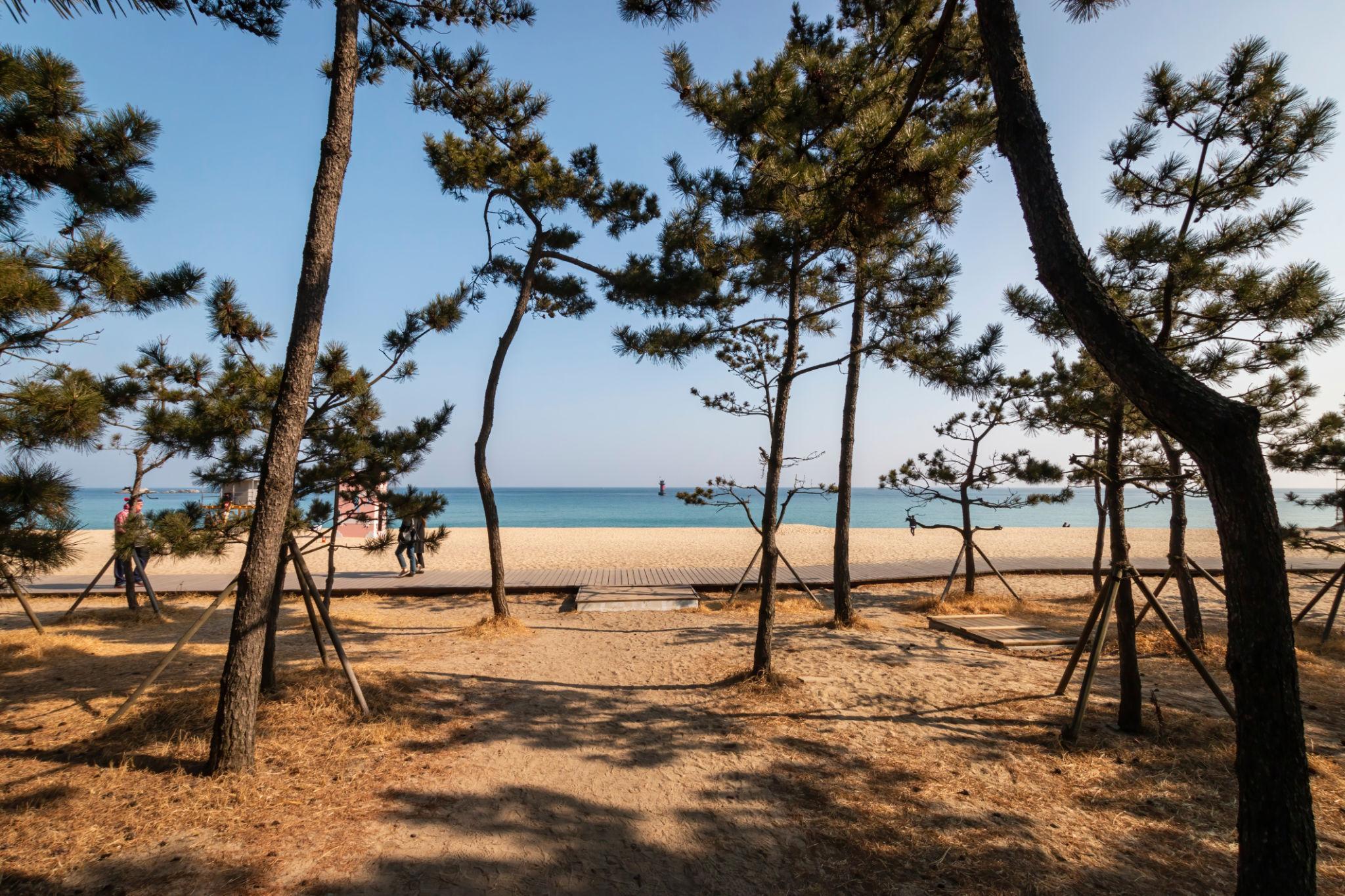
Aim for Gangneung if you want an easy sea break after Seoul. The rail journey is roughly two hours, and the mental shift is quick. You trade office towers for pine trees, coffee smells, and waves loud enough to interrupt a conversation.
This is not the place to overcomplicate. Build the day around the beach, a coffee stop, and one proper meal. Morning is calmer, especially near the water. By afternoon, the cafe crowd grows and the good window seats disappear. That is fine. The point is not to win Gangneung. The point is to let the coast reset your pace.
Food is straightforward and satisfying. Look for tofu dishes, seafood, noodle shops, and bakeries that locals pack into on weekends. Gangneung is easier than Jeju if you want sea air without island logistics. It is also less intense than Busan. For a first-time visitor who feels done with big-city noise, that middle ground is the whole appeal.
Save Jeonju for food and slow streets
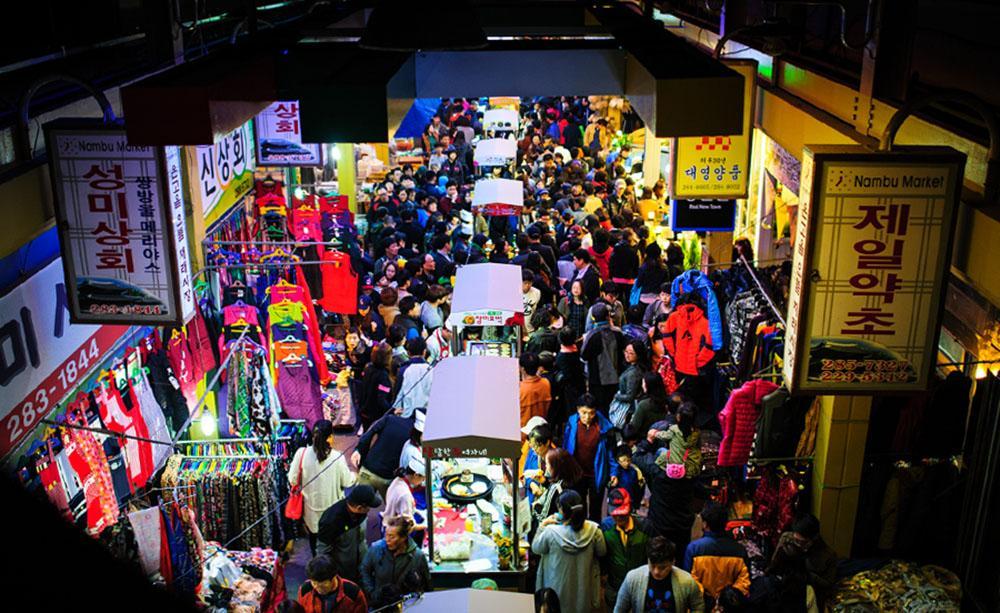
Save Jeonju for the moment when you want to eat well and wander without chasing a skyline. From Seoul, the rail trip often lands in the one-and-a-half to two-hour range. The old-house district draws the photos, but the better version of Jeonju starts when you stop posing and start snacking.
Come hungry. Bibimbap is the headline, but the city is also good for bean sprout soup, street snacks, small bars, and long meals where the table fills with side dishes before you understand what you ordered. That small confusion is normal. Watch what nearby tables do. Pointing politely works more often than people admit.
Jeonju is compact in feeling, which helps tired travelers. Late afternoon is the best time to arrive if you can. The heat softens in warmer months, the day-trip crowd thins, and the lanes start to smell like grilled meat, sugar, and soup broth. Stay overnight if food is your main reason for going. Dinner is when the city gets useful.
Match the city to your travel style
Use this as the honest filter. If you want the easiest big-city upgrade, pick Busan. If you want quiet history, pick Gyeongju. If you want nature and do not mind planning around weather, pick Jeju. If you want a low-friction beach reset, pick Gangneung. If your trip revolves around food, pick Jeonju.
- Most convenient after Seoul: Busan or Gangneung.
- Best for slower pacing: Gyeongju or Jeonju.
- Best for a total mood change: Jeju.
- Best when you still want nightlife: Busan.
Avoid the trap of ranking them like one is objectively better. They solve different travel problems. After Seoul, your next stop should protect the trip you want, not prove you covered the map.
If something goes wrong
If train seats sell out, do not panic-buy the worst schedule first. Check nearby departure windows and consider adjusting the city order. Busan and Gangneung tend to have more straightforward backup options than smaller-feeling routes.
If rain hits Jeju or Gangneung, switch to food, cafes, markets, and short scenic stops instead of forcing a perfect outdoor day. Wet socks ruin morale faster than a changed plan. Buy the umbrella early, not after the downpour starts.
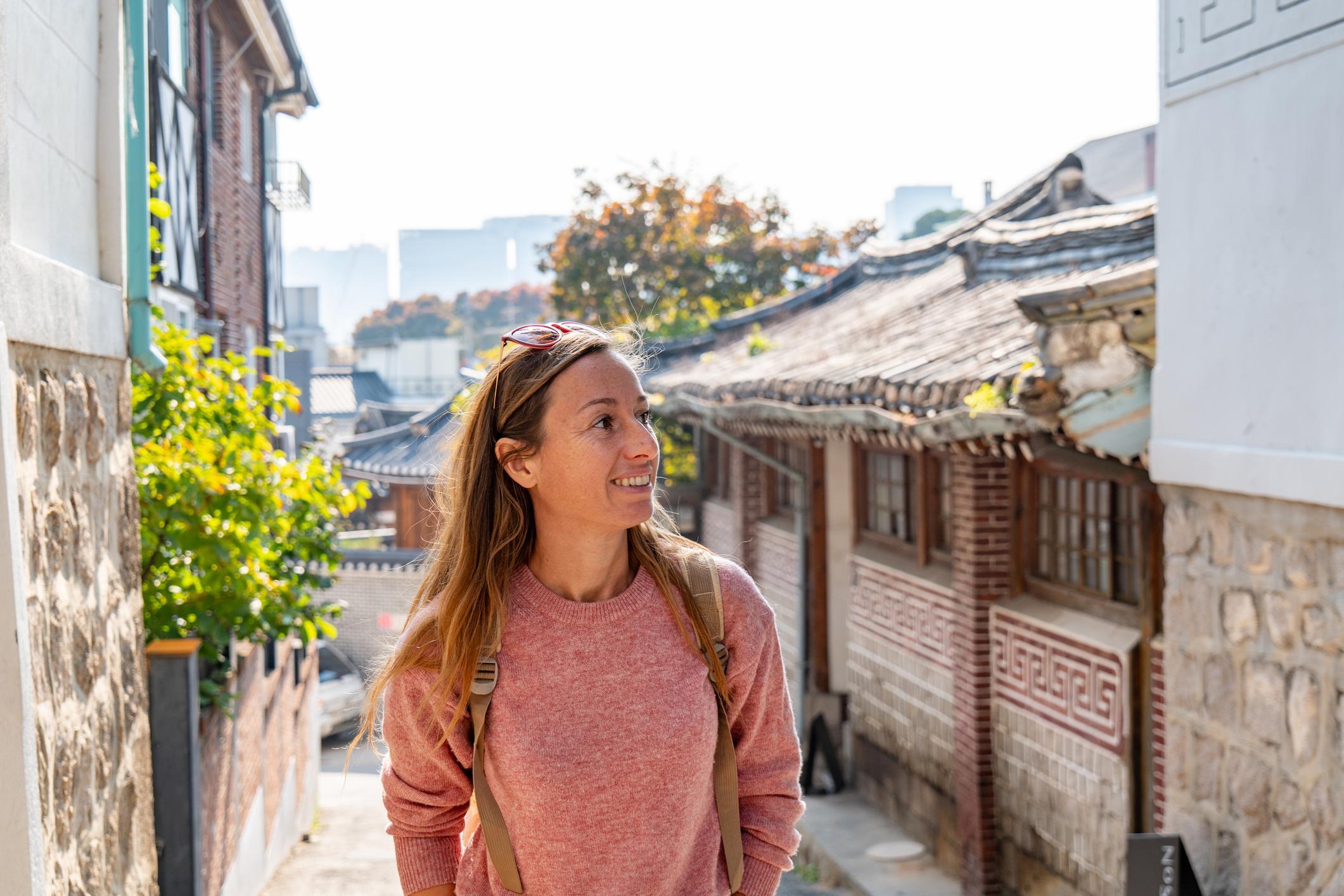
If you arrive with luggage before check-in, reduce the day. This is where travelers get stubborn. Dragging a suitcase through old streets in Jeonju or uneven paths in Gyeongju turns charm into cardio. Store bags when you can, then restart properly.
The best city after Seoul is the one that gives your trip a clean second act. Choose Busan for energy, Gyeongju for quiet, Jeju for landscape, Gangneung for an easy coast break, and Jeonju for food. Pick by pace first. The right place becomes obvious after that.
The Best Second Act for Your Korea Trip
The best city after Seoul is not necessarily the most famous one.
It is the one that gives your trip a different rhythm.
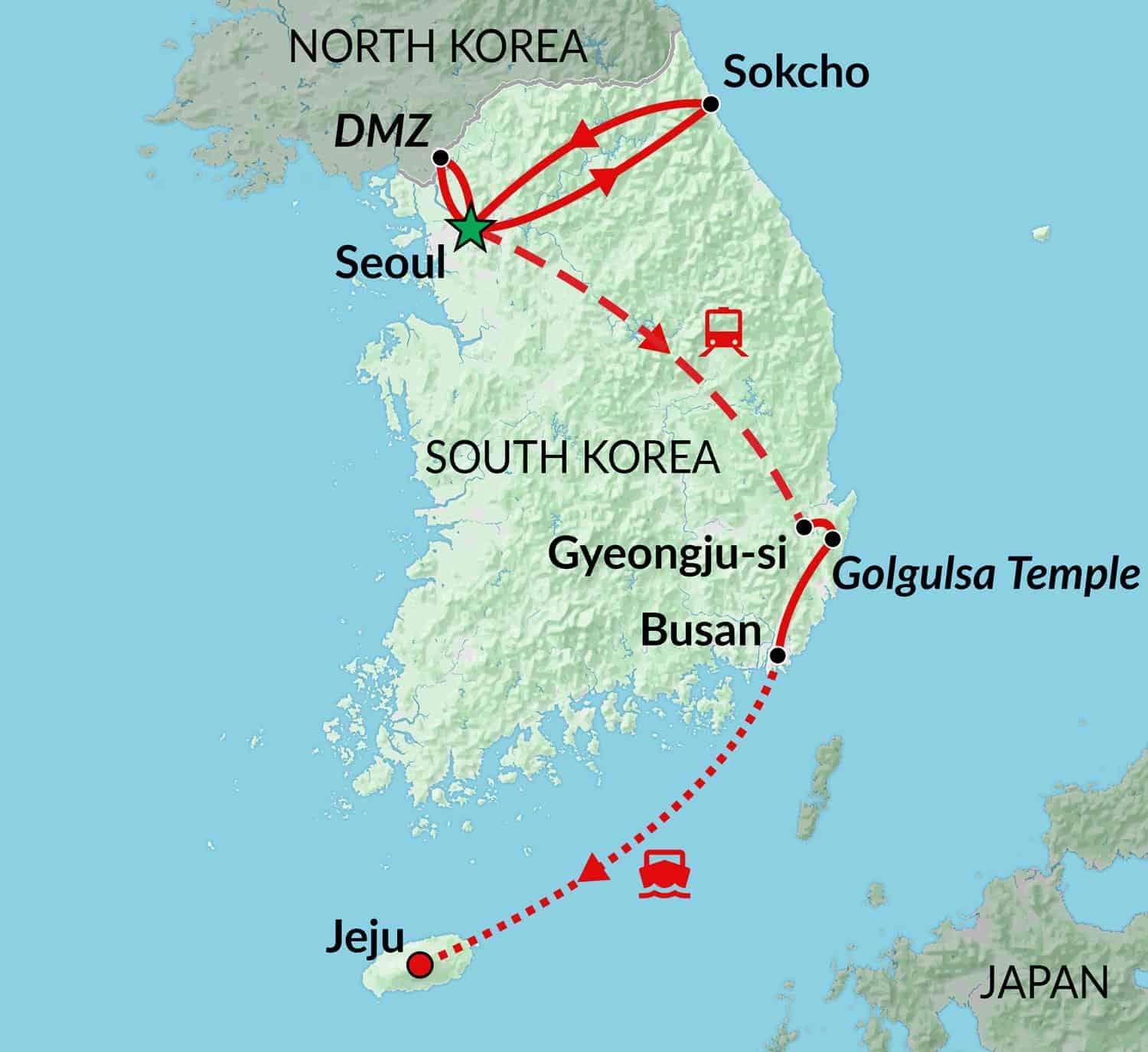
Busan brings energy and sea views. Gyeongju offers space to slow down. Jeju changes the landscape entirely. Gangneung resets your pace with the coast. Jeonju reminds you why food can be the reason for a journey.
The strongest Korea itineraries are not built around collecting destinations. They are built around creating balance.
A few days in Seoul show you Korea's ambition.
The cities beyond Seoul show you its character.
And often, those are the places travelers remember long after they return home.
Experience Korea Beyond the Guidebooks
At Hanway, we believe the best trips are not copied from a list.
They are designed around you.
Whether you want to chase sunrise along the East Sea, spend a night in a traditional Hanok, explore centuries-old streets in Gyeongju, or discover local neighborhoods that most visitors never see, we create private, tailor-made journeys that match your travel style, pace, and interests. Because the most memorable Korea is rarely the one everyone visits.
It's the one that feels like it was made just for you.
DISCOVER MORE STORIES

Korea Winter Travel: 5 Festivals for Ice Fishing, Sledding, and Snow Adventures
2026.10.16

Christmas in Korea: 5 Ways to Enjoy Seoul in December
2026.10.14

3 Korean Artisan Experiences: Meet the Makers Behind Traditional Crafts
2026.10.12

3 Beautiful Places to Visit in Korea in Autumn: Gyeongju, Naejangsan & Suncheon
2026.10.09

Seoraksan in Autumn: A Beautiful Mountain Escape on Your Korea Trip
2026.10.07

CONTACT
Build your next stop after Seoul
Hanway plans custom Korea itineraries for independent travelers, with regional routes built around food, pace, transport comfort, and the kind of neighborhoods you actually want to spend time in.
SPEAK TO AN EXPERT