

At 12:10 p.m., the lunch bell is real. Metal chopsticks click, soup pots hiss, and the table next to you is already mixing something red with total confidence.
You do not need to start there. This guide gives you safe korean foods for tourists who want Korean staples without burning through their first meal in Seoul, Busan, or Jeju.
Before you start
Eat your first proper Korean meal before the rush. Aim for 11:30 a.m. or after 1:30 p.m. at lunch, especially in office areas like Jongno, Gangnam, or Yeouido. Staff have more time to read your face of mild panic.
Bring a translation app and save one phrase: not spicy, please (maepji anke haejuseyo). Use it early. Do not wait until the pan lands.
Clear up one confusion now: Korean food is not all spicy. But if the dish is built on red chili paste, asking for less heat will not always save it. Pick a mild base first.
Choose bibimbap as your first sit-down meal
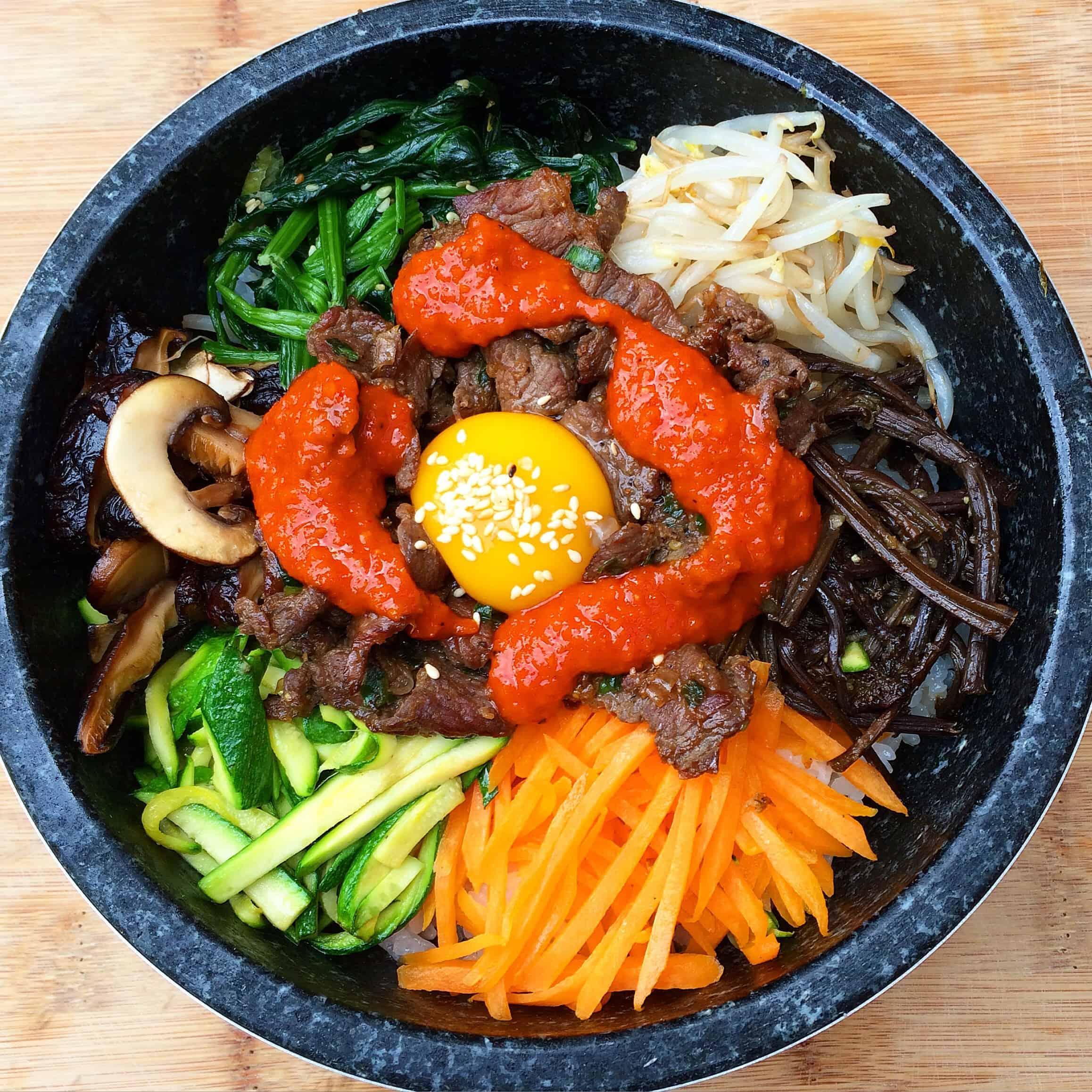
Start with mixed rice (bibimbap). It usually gives you rice, vegetables, egg, and meat in one bowl, so you can control each bite. In tourist-heavy areas like Myeongdong or Insadong, this is one of the easiest Korean staples to identify from menu photos.
The danger is the red pepper paste, not the bowl itself. Ask for sauce on the side (sosu ttaro juseyo). Add a little, mix, taste, and stop being heroic.
Skip stone-bowl versions if you dislike crunchy rice or very hot bowls. They are great, but not ideal for a nervous first order. Plain bowl first. Drama later.
Order gimbap when you need a no-drama lunch
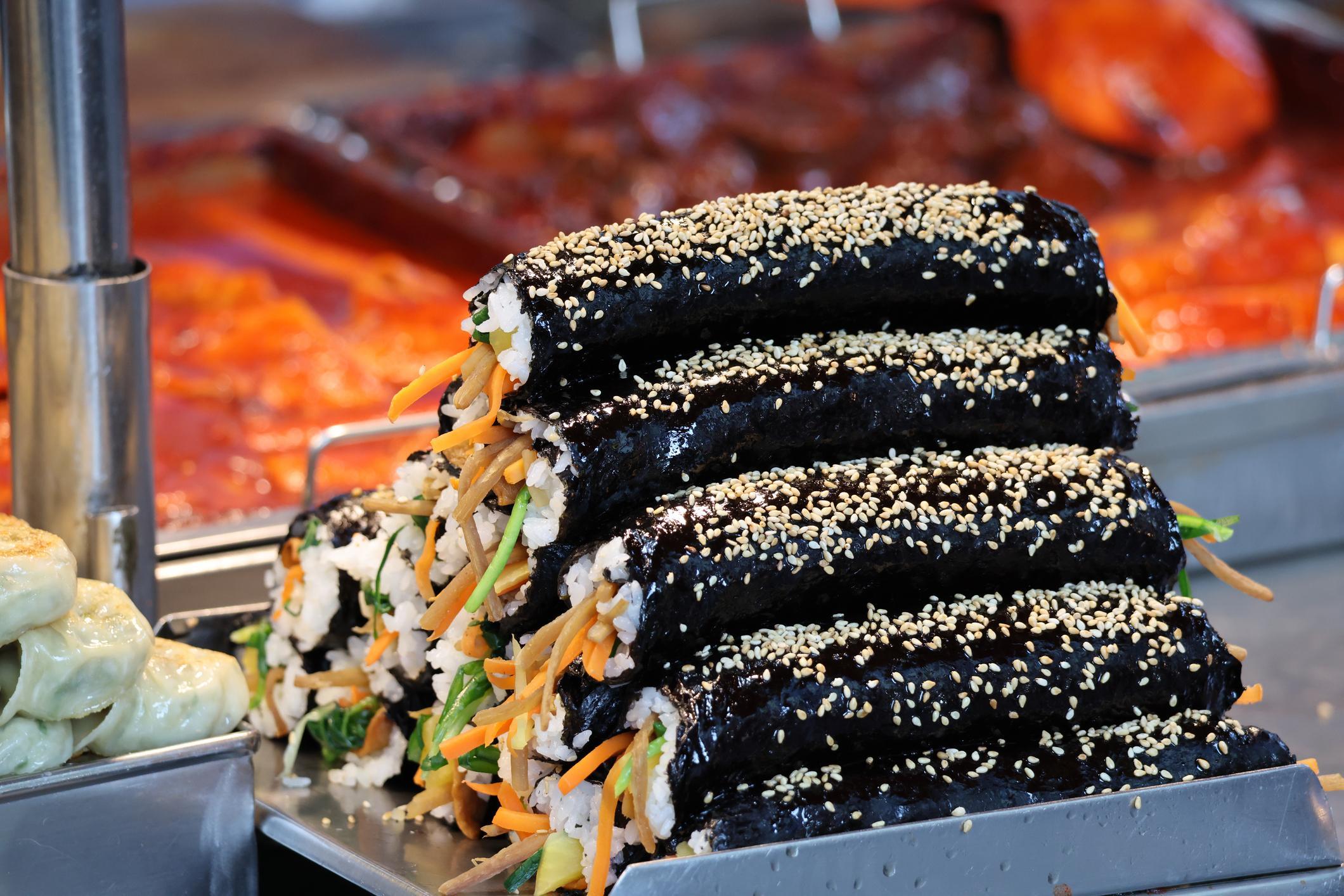
Seaweed rice rolls (gimbap) are the soft landing. You get rice, vegetables, egg, and usually ham, tuna, beef, or cheese wrapped into neat slices. They travel well if you need to eat near a hotel desk or on a train day.
Look for small roll shops around subway stations and university neighborhoods like Hongdae, Sinchon, and Hyehwa. Lunch moves fast from noon to 1 p.m., so point at the photo menu and keep it simple.
Choose tuna mayo, beef, or plain vegetable if you see them. Avoid spicy tuna or kimchi versions on day one. They can taste great, but they are not the training wheels.
Pick bulgogi for a mild shared meal
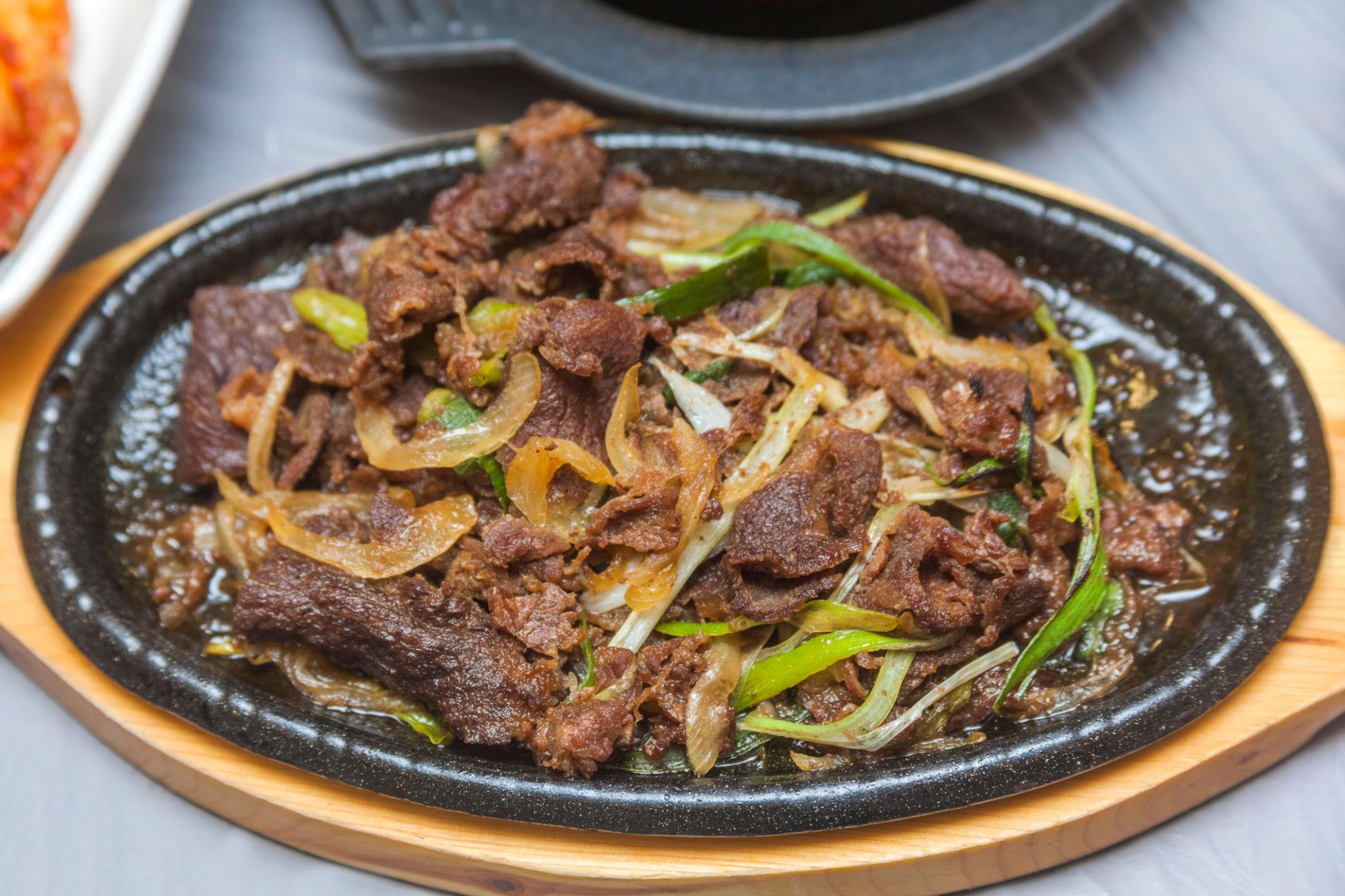
Marinated beef (bulgogi) is the safest table order when your group wants a real Korean meal. The flavor leans soy, garlic, sesame, and sweetness. It is familiar without being boring.
Order it with rice and lettuce wraps if available. In barbecue areas like Mapo or Gangnam, check the menu photo before sitting down. You want brown grilled or simmered beef, not a red stir-fry hiding behind a friendly English label.
If the dish looks red before it reaches the table, assume the spice is built in. You can ask, but you cannot negotiate with chili oil after the fact.
Do not confuse it with spicy pork stir-fry (jeyuk bokkeum). That one can hit hard. Save it for the friend who says they love spice and then sweats through their shirt.
Use soups and noodles carefully
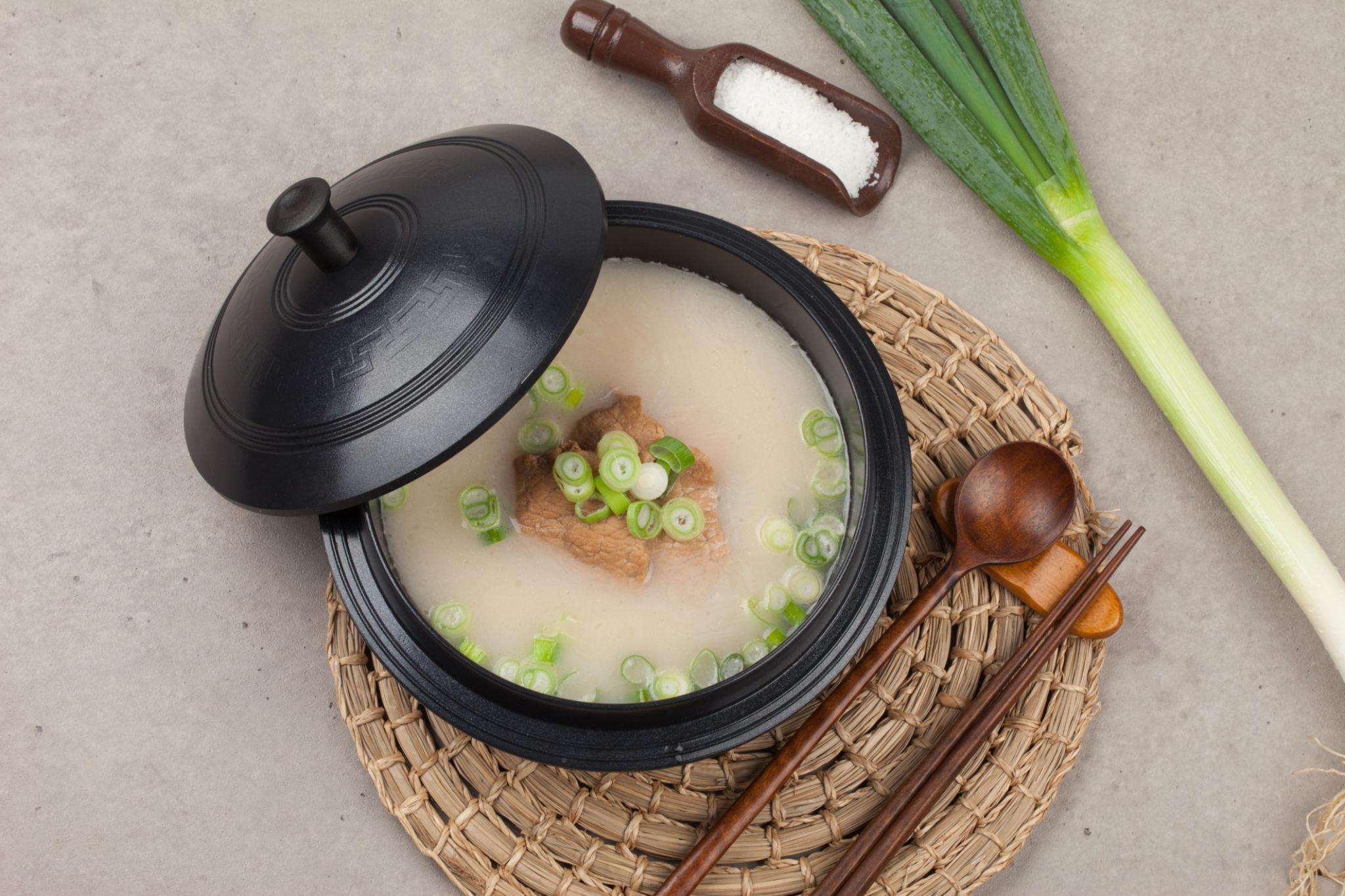
Soup feels safe, but it depends on the broth. Clear, pale, or beef-based soups are usually easier for low-spice eaters than bright red stews. Around stations, menu boards often show the broth color clearly.
For a calmer order, look for beef bone soup, knife-cut noodle soup, or cold buckwheat noodles without red sauce. Ask if the sauce comes separately. If it does, you are back in control.
Be careful with army stew, soft tofu stew, and rice cakes in red sauce. They are common, famous, and very tempting after 9 p.m. That does not make them beginner food.
Say no to red-sauce surprises
Your first day is not the time to prove range. Skip red rice cakes, spicy chicken stir-fry, spicy cold noodles, and anything labeled “fire” on an English menu. Korea will still be here tomorrow.
- Choose brown, clear, white, or sesame-colored sauces first.
- Treat bright red sauce as a warning, not decoration.
- Ask for sauce separately before the order is sent.
This is not fear. It is strategy. Once you have one good meal, your brain stops treating every menu like a trap.
If something goes wrong
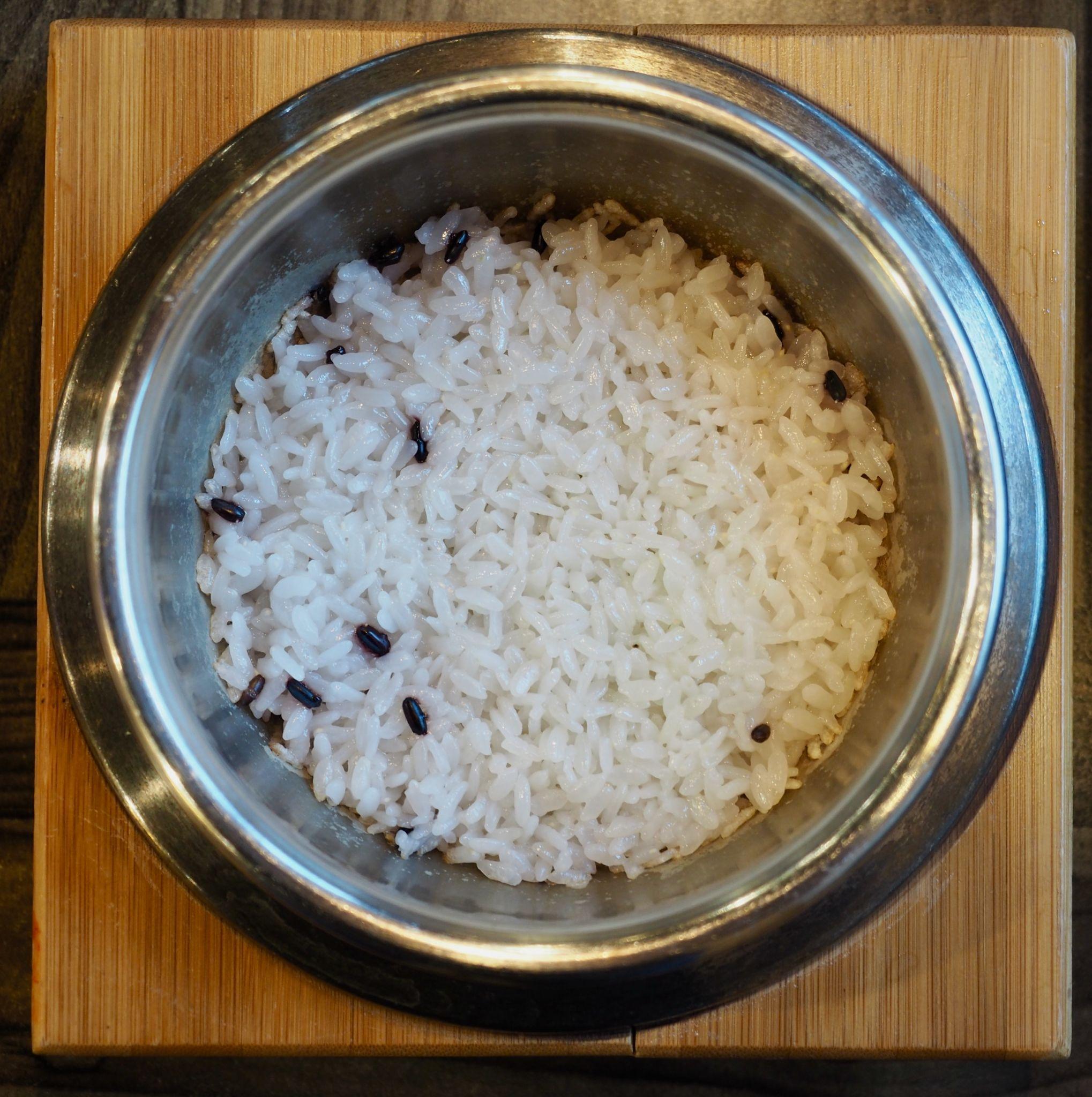
If your food arrives too spicy, stop mixing. Eat the rice, egg, meat, and plain side dishes first. Order steamed rice if you need a reset, because water alone will not do much.
If you ordered the wrong dish, do not panic. Point to a milder photo and ask for one more item. In casual restaurants, adding rice, gimbap, or a plain noodle dish is usually the fastest fix.
If you have allergies, use a written allergy card. Do this before ordering, not after the banchan lands. Side dishes can include seafood, sesame, egg, or wheat even when the main dish looks simple.
Your safest first Korean meal is not fried chicken by default. Start with bibimbap, gimbap, or bulgogi, control the sauce, and save the red stuff for a braver night.
Save this for your Korea trip planning. Want weekly Korea insights from people who actually live here? Subscribe at hanway.example.com.
DISCOVER MORE STORIES

Korea Winter Travel: 5 Festivals for Ice Fishing, Sledding, and Snow Adventures
2026.10.16

Christmas in Korea: 5 Ways to Enjoy Seoul in December
2026.10.14

3 Korean Artisan Experiences: Meet the Makers Behind Traditional Crafts
2026.10.12

3 Beautiful Places to Visit in Korea in Autumn: Gyeongju, Naejangsan & Suncheon
2026.10.09

Seoraksan in Autumn: A Beautiful Mountain Escape on Your Korea Trip
2026.10.07

CONTACT
Let’s Plan Your
Unforgettable Korea Experience
Tell us what you’re looking for,
and our team will craft a private journey
that matches your taste, pace, and purpose.