

At 8:10 a.m. in Seoul, you hear palace gates creak, coffee machines hiss, and bus brakes sigh at the curb. In April, the air feels soft. In August, your shirt gives up before breakfast.
This guide solves the real first-timer problem: choosing the best time to visit seoul when weather, crowds, festivals, and hotel timing all pull in different directions.
Before you start
Check your trip length first. Four full days works for palaces, Hongdae, Seongsu, Myeongdong, one market night, and a slow morning by the Han River. Add a fifth day if you want a DMZ tour or a day trip to Suwon.
Pack by month, not by season name. March can still bite after sunset. June can feel like summer before the calendar admits it.
Clear one common confusion now: Seoul is not a year-round mild city. It has four real seasons. That is good news if you pick well, and sweaty news if you do not.
Choose April or May for the easiest first trip
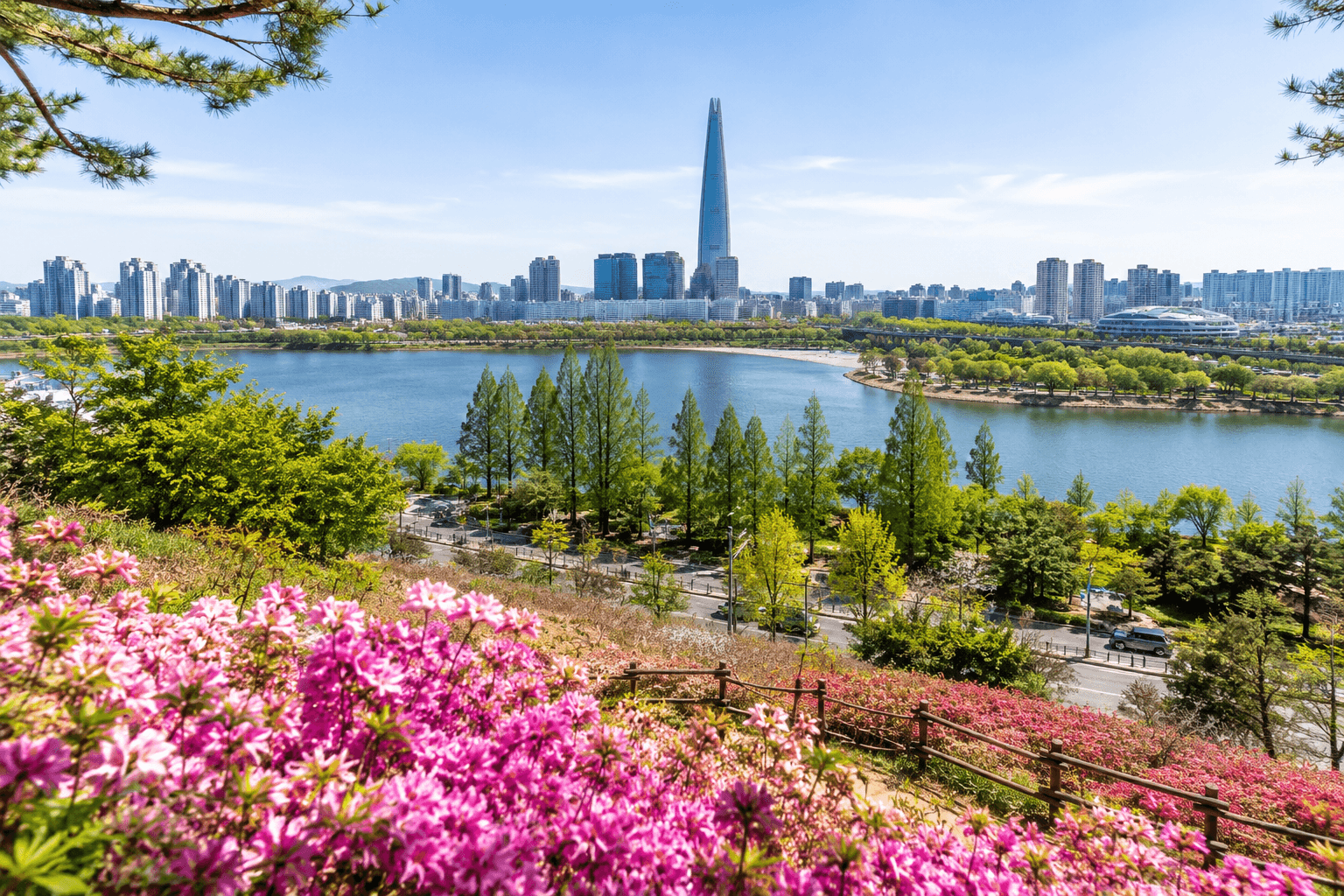
Pick April or May if this is your first Seoul trip and you want the least friction. Days usually suit light jackets, long walks, and outdoor meals. Start palace mornings around 9 a.m., then move to Insadong or Bukchon before the tour groups thicken.
Cherry blossom timing changes each year, so do not build the whole trip around one tree. Use blossoms as a bonus. The safer win is the walking weather.
For a simple route, start at Gyeongbokgung Station, Line 3, exit 5. Walk the palace first. Then eat near Anguk Station before the lunch rush lands.
Book October for clear skies and city walks
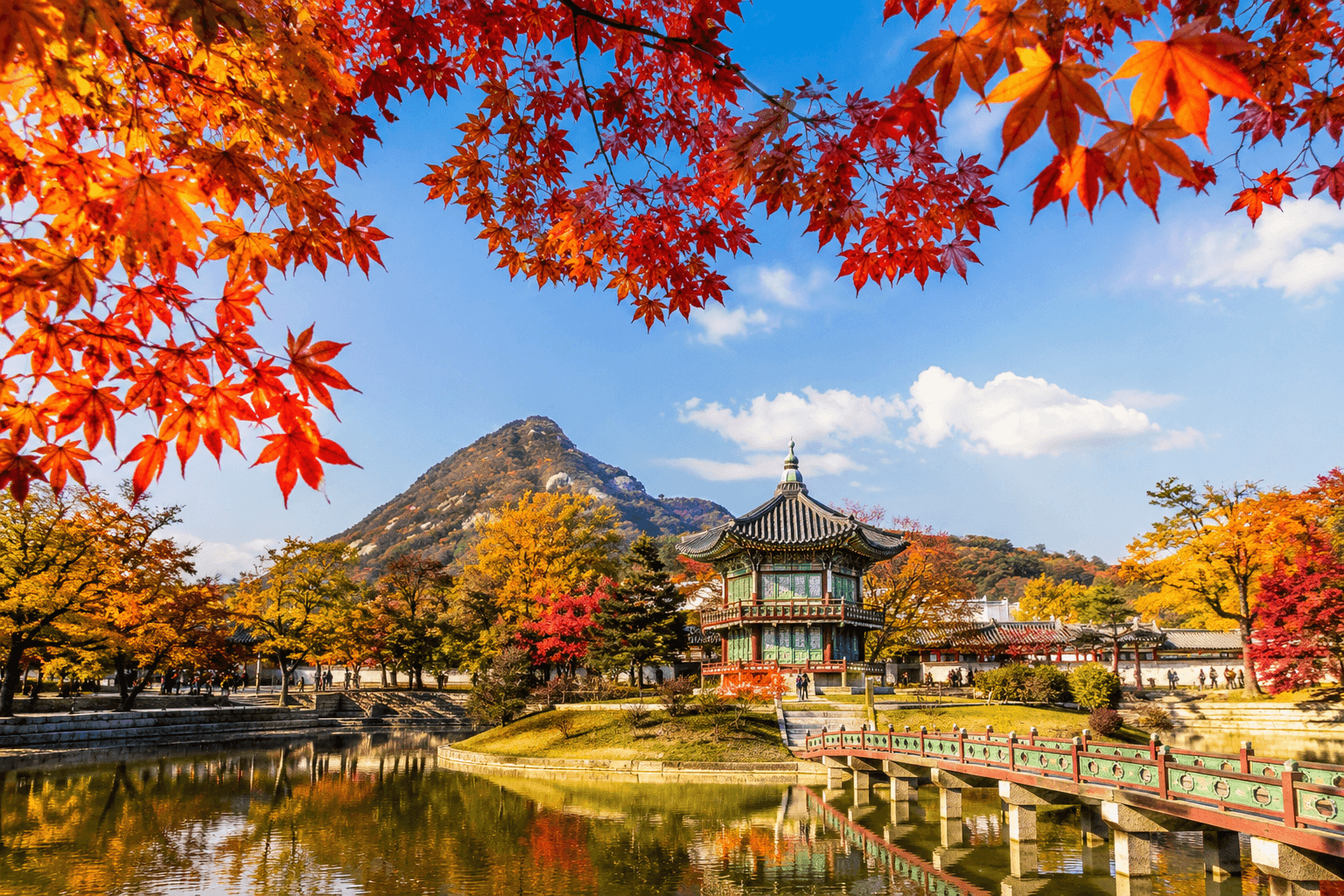
Choose October if you care more about crisp air than flowers. The city feels built for walking then. You can do a palace, a museum, coffee in Seongsu, and dinner in Euljiro without melting into the pavement.
Fall foliage usually becomes more useful from mid to late October. Head to Namsan earlier in the day if you want views without the packed cable car line. The subway works better than taxis near major parks on pretty weekends.
Base yourself near Jongno 3-ga, Euljiro 3-ga, or City Hall if walking matters. Those areas keep transfers short. Your feet will notice by day three.
If you want one answer, make it October. If you want flowers and softer mornings, make it late April.
Avoid late July and August unless you love humidity
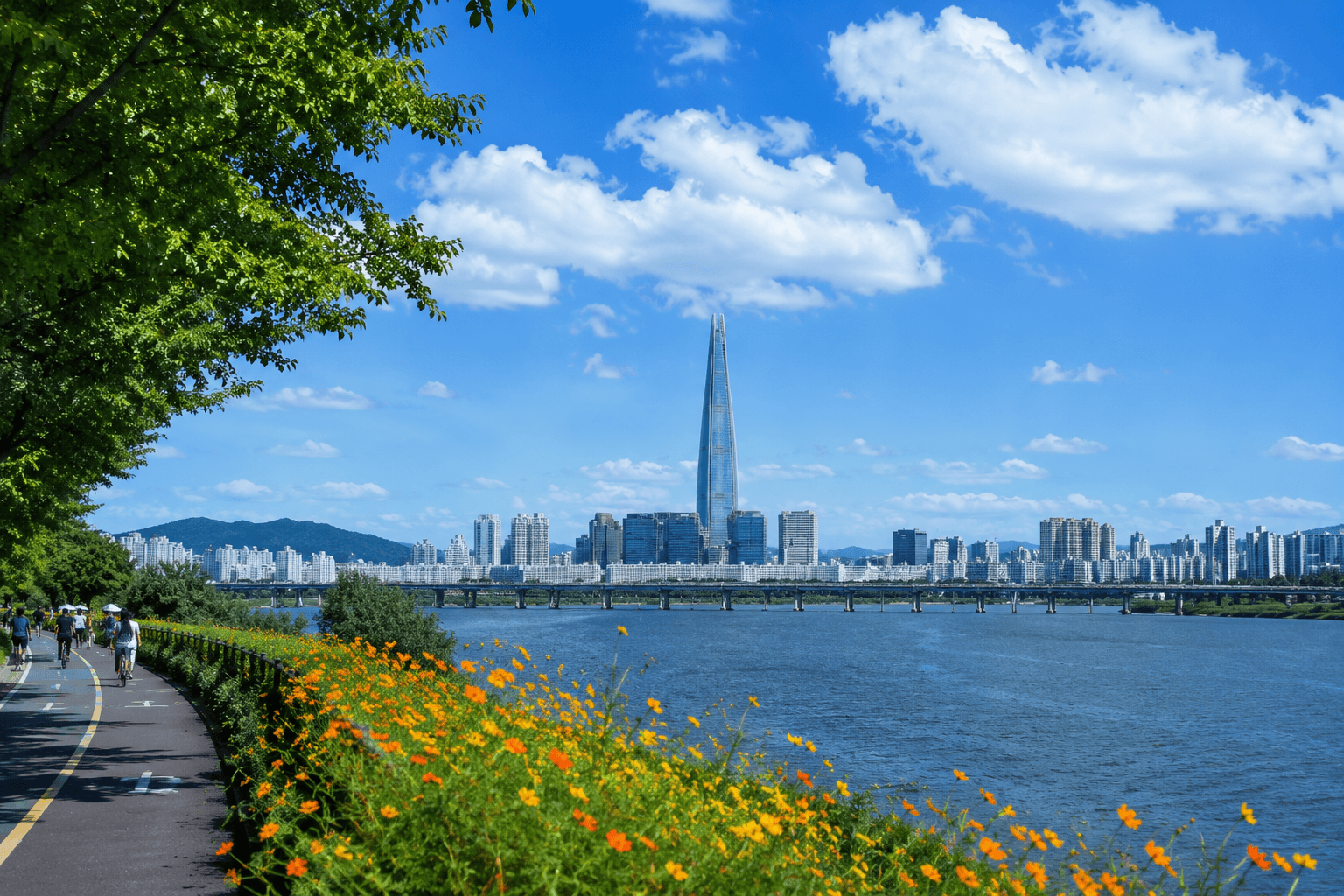
Skip late July and August if you hate heavy air. Seoul summer can be bright, fun, and brutal in the same hour. Plan indoor anchors between 1 p.m. and 5 p.m., especially around Myeongdong, Dongdaemun, and palace areas with limited shade.
This is when convenience beats romance. Stay near a subway line you will use daily, not a cute place that adds two transfers. Line 2 is handy for Hongdae, Sinchon, Gangnam, Seongsu, and Jamsil.
Carry a compact umbrella in summer. It handles rain and sun. Dignity is already gone by lunchtime.
Use winter if price and quiet matter most
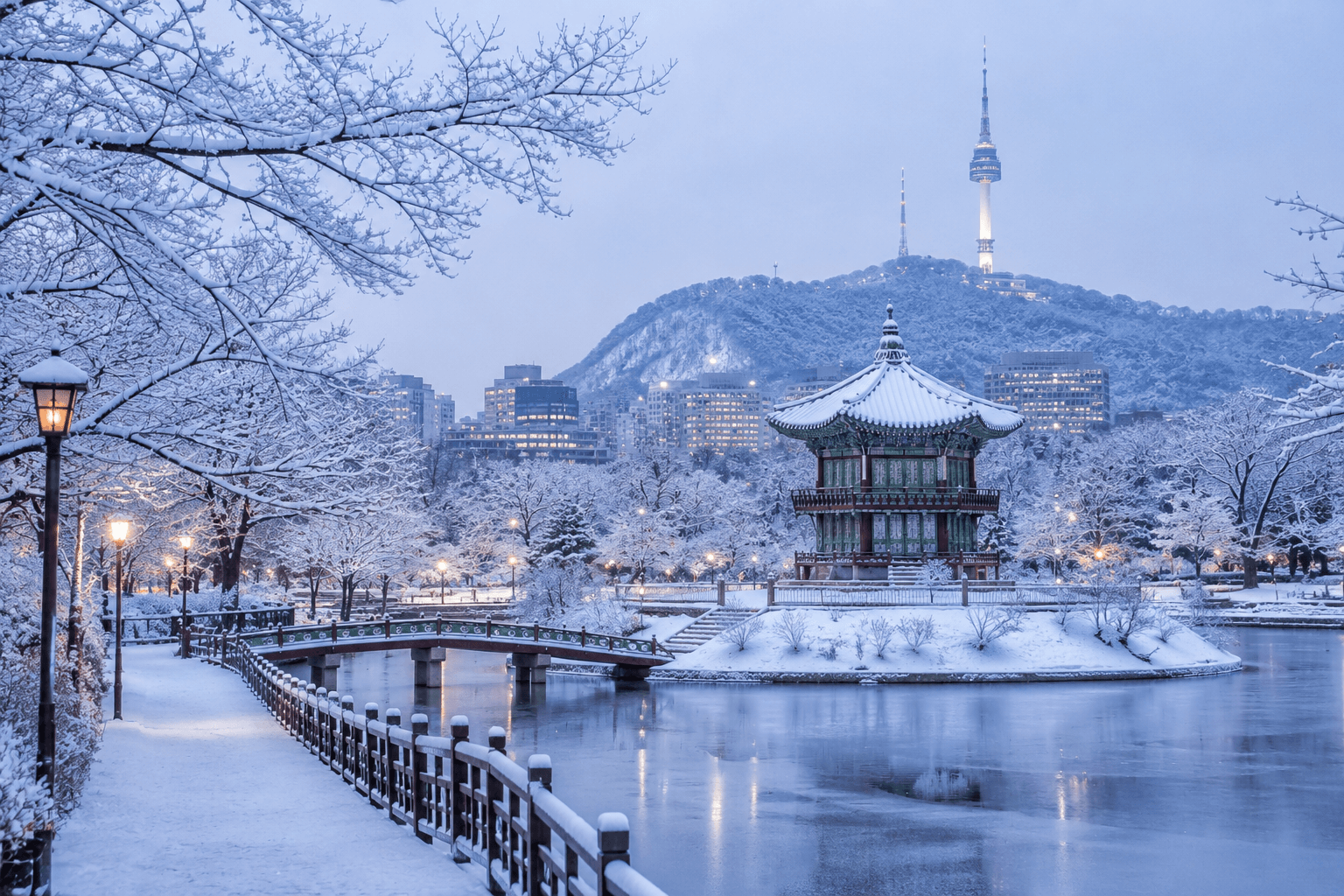
Consider January or February if you want fewer crowds and do not mind cold. Seoul winter is sharp, especially after dark along the Han River or in open palace courtyards. Bring gloves you can use with your phone.
Winter suits food, museums, shopping, and cafe hopping. Build your day around clusters. Try Gwanghwamun and Jongno for history, Seongsu for cafes, or Yeouido if you want malls and river access without crossing the city twice.
Flights and hotels can be kinder outside holiday peaks, but do not assume every winter date is cheap. Compare midweek arrivals with Friday or Saturday arrivals. Seoul rewards boring calendars.
Time your booking around holidays and festivals
Book earlier for April, May, October, and major holiday periods. These windows attract both international visitors and domestic travelers. Hotel choice narrows first in easy neighborhoods like Myeongdong, Hongdae, Jongno, and Gangnam.
For a first trip, choose location before room size. A smaller room near Euljiro 3-ga or Hongik University Station often beats a larger room with long transfers. You are visiting Seoul, not your hotel carpet.
- Spring: blossoms, school trips, strong demand near palaces and Myeongdong.
- Summer: rain gear, indoor breaks, better patience than pride.
- Fall: clear walks, foliage plans, busy weekends near parks.
- Winter: cold nights, quieter sights, more indoor-friendly routes.
Match your neighborhood to your travel month
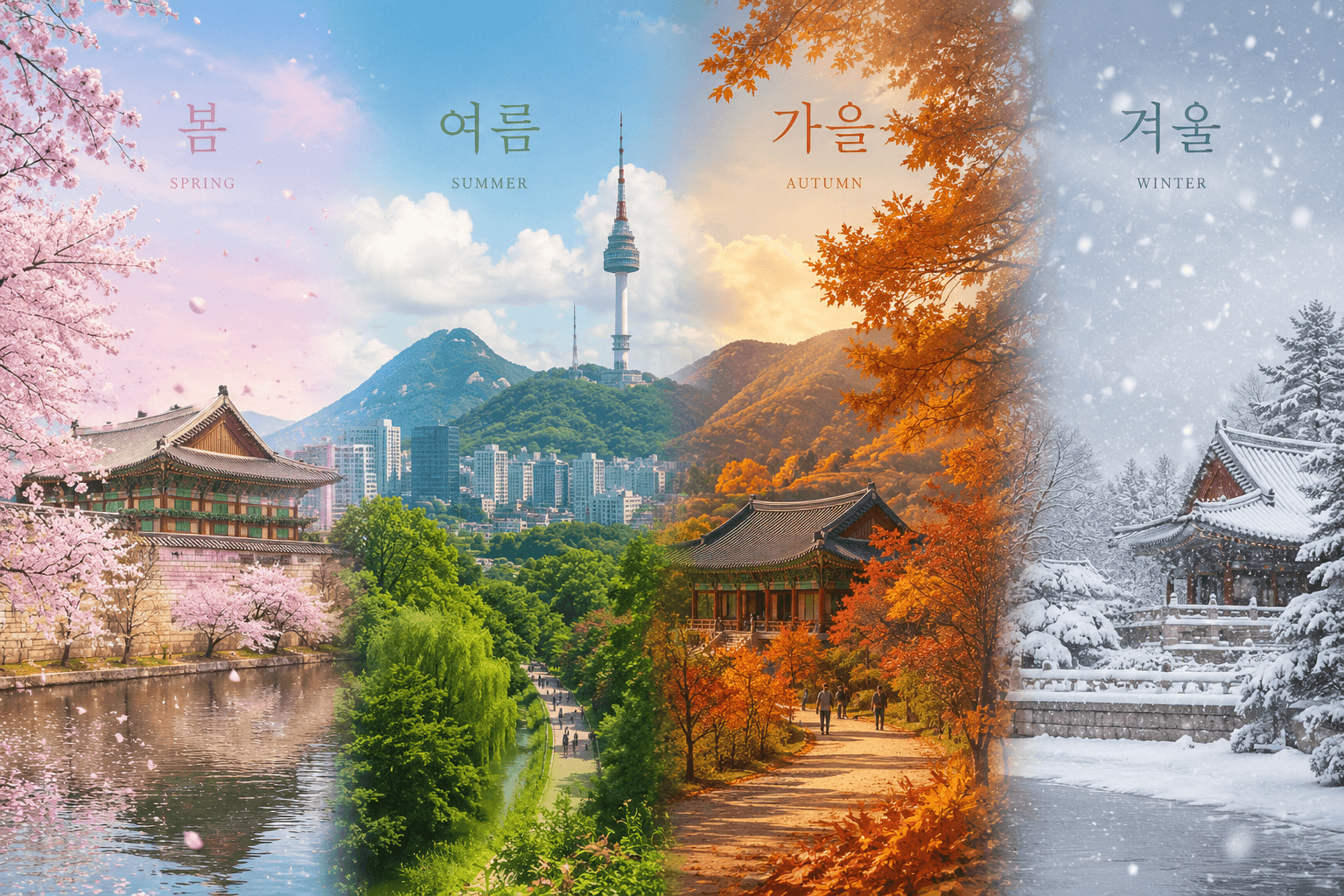
Choose your base like you choose your month. In spring, Jongno and Anguk put you close to palaces, Bukchon, Insadong, and Cheonggyecheon. That means fewer train rides when sidewalks get crowded after 11 a.m.
In summer, pick a station with simple transfers and plenty nearby. Hongdae works for nightlife and airport access. Gangnam works if your plans lean south toward COEX, Seongsu, or Jamsil.
In fall or winter, central Seoul is the safest bet. City Hall, Euljiro, and Jongno keep you flexible when weather changes. Flexibility is the whole game.
If something goes wrong
If rain eats your palace day, move it instead of forcing it. Use that day for the National Museum area, a mall, or cafes in Seongsu. Save outdoor walking for the next clear morning.
If hotel prices jump, widen the map along the same subway line. Staying one or two stops away from a famous area can keep your route simple. Do not chase a bargain that adds three transfers.
If you arrive during a holiday, book key meals and tours earlier where reservations are offered. Also keep convenience-store breakfasts in your back pocket. Glamorous? No. Effective? Deeply.
For most first-time travelers, the best time to visit seoul is late April to May or October. Choose spring for blossoms and soft mornings, or fall for clear skies and long walks.
Save this for your Korea trip planning. Want weekly Korea insights from people who actually live here? Subscribe at hanway.example.com.
DISCOVER MORE STORIES

Korea Winter Travel: 5 Festivals for Ice Fishing, Sledding, and Snow Adventures
2026.10.16

Christmas in Korea: 5 Ways to Enjoy Seoul in December
2026.10.14

3 Korean Artisan Experiences: Meet the Makers Behind Traditional Crafts
2026.10.12

3 Beautiful Places to Visit in Korea in Autumn: Gyeongju, Naejangsan & Suncheon
2026.10.09

Seoraksan in Autumn: A Beautiful Mountain Escape on Your Korea Trip
2026.10.07

CONTACT
Let’s Plan Your
Unforgettable Korea Experience
Tell us what you’re looking for,
and our team will craft a private journey
that matches your taste, pace, and purpose.