

3 Korean Artisan Experiences: Meet the Makers Behind Traditional Crafts

A thin strip of bamboo becomes the frame of a folding fan. A piece of heated steel takes shape beneath a hammer. Fragments of shell catch the light as an intricate pattern emerges.
Some of Korea’s most memorable encounters happen inside a working studio.
For travelers interested in Korean traditional crafts, meeting an artisan offers a closer understanding of how objects are made, why particular materials matter, and what it takes to keep a skill alive. Fan making, knife forging, and mother-of-pearl inlay each reveal a different side of Korea’s craft heritage.
Hanway arranges private artisan visits in Korea, helping travelers meet craftspeople and observe their work as part of a personalized itinerary. Hands-on activities can also be explored where the workshop offers them.
1. Korean Fan Making: Discover the Craft Behind a Gentle Breeze

A folding fan opens in a second. Making one takes considerably more care.
The Korean hapjukseon is a traditional folding fan made with carefully prepared bamboo ribs and hanji, Korean traditional paper. Splitting and shaping the bamboo requires precision, and the framework must come together in a form that opens and closes smoothly.
Watching a fan maker at work changes the way you see this familiar object. Your attention shifts to the thinness of each rib, the curve of the frame, and the relationship between strength and lightness.
For travelers drawn to design, paper, or natural materials, a fan-making visit offers plenty to notice—and plenty to ask about.
What makes this experience special?
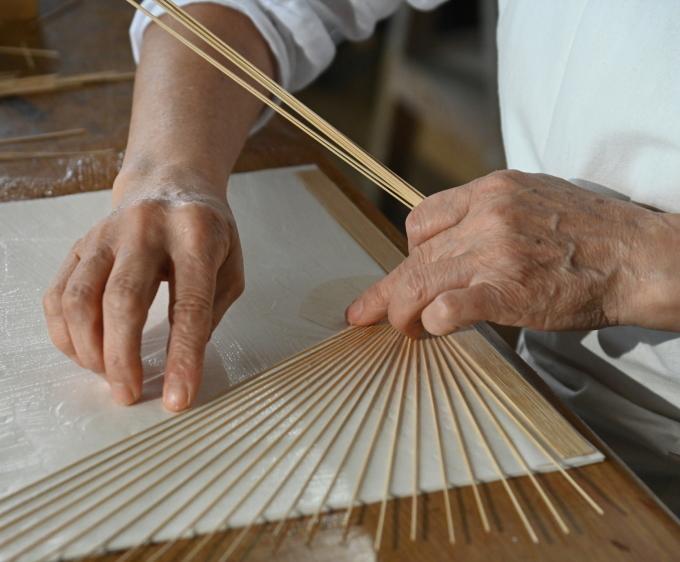
The opportunity to understand a seemingly simple object through the hands of the person who makes it.
Regional context: Jeonju is a useful starting point for exploring Korea’s fan-making heritage. A visit can be considered alongside the city’s architecture, food, and traditional culture, depending on workshop availability.
2. Korean Knife Making: Step Inside a Working Blacksmith’s Forge

The rhythm of a forge is immediately absorbing: heat, hammer, pause, inspect.
Handmade knives and everyday tools remain part of Korea’s living craft culture. Seoul’s Bulgwang Blacksmith Workshop, for example, is documented by the city’s official tourism guide as a workshop producing handmade tools, including kitchen knives.
A Korean blacksmith visit is especially rewarding if you enjoy cooking, collecting tools, or understanding how things work. Instead of looking only at a finished blade, you can begin to appreciate the decisions behind its shape, weight, and intended use.
The most interesting questions are often practical ones. Why does this blade have this curve? How does its purpose influence its form? What does the maker look for before considering a piece finished?
What makes this experience special?
Seeing how an artisan’s judgment guides the transformation of raw material into a useful object.
Planning note: A working forge requires careful coordination. The processes available to observe—and any opportunities to participate—depend on the maker’s schedule and workshop conditions.
3. Korean Mother-of-Pearl Craft: Watch Small Pieces Become a Luminous Design

At first, you notice the shimmer. Then you notice the detail.
Korean mother-of-pearl craft, known as najeonchilgi, combines lacquerware with carefully shaped pieces of shell. Artisans arrange these pieces into decorative patterns, creating surfaces that change as they catch the light. Tongyeong, a coastal city in southern Korea, is particularly associated with this tradition.
Looking closely at the process reveals an entirely different scale of work. A delicate line or petal may depend on a tiny piece of material placed with extraordinary care.
This experience suits travelers interested in decorative arts, interiors, jewelry, or detailed handwork. It also offers a thoughtful way to connect a beautiful object with the time and skill behind it.
What makes this experience special?
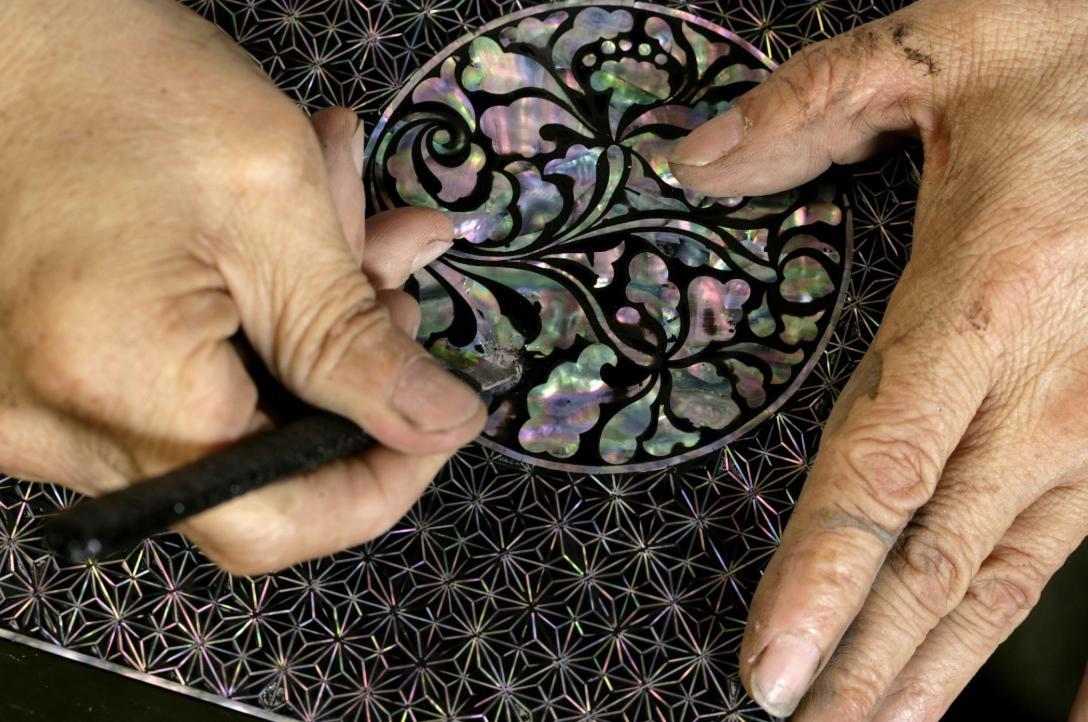
Discovering how small, individual pieces create a design that feels fluid and complete.
Regional context: If southern Korea is already part of your route, exploring Tongyeong’s craft heritage can add depth to a coastal itinerary.
How Do You Plan a Private Artisan Visit in Korea?
Start with your interests, travel dates, and route. A private workshop visit works best when it fits both your journey and the artisan’s working day.
Before confirming an experience, clarify:
- The format: Observing work, talking with the maker, and making something yourself are different experiences.
- The process: A visit may show one stage of production rather than an entire object being completed.
- Language arrangements: Confirm whether interpretation is needed and what support is included.
- Photography: Ask before photographing the artisan, tools, or unfinished work.
- Purchases: If you hope to buy a piece, ask about availability, production time, and delivery options.
These details help create a comfortable encounter for both the visitor and the maker.
Frequently Asked Questions About Korean Artisan Visits
Can travelers meet traditional artisans in Korea?
Yes. Some artisans welcome visitors through arranged appointments or workshop programs. Access varies by studio, so visits should be confirmed in advance.
Can I make my own Korean craft during a visit?
Some workshops offer hands-on activities, while others focus on demonstrations and conversation. A beginner activity may use different materials or methods from the artisan’s professional work.
Are Korean artisan visits suitable for English-speaking travelers?
They can be, with appropriate language arrangements. Discuss interpretation needs when planning so you can ask questions and understand the process.
Do I need to travel outside Seoul?
It depends on the craft and maker. Seoul has working craft studios, while destinations such as Jeonju and Tongyeong provide opportunities to explore regional craft traditions.
Can Hanway arrange a private artisan experience?
Yes. Hanway arranges private opportunities to meet Korean artisans and observe their work, coordinated around your interests, itinerary, and the maker’s availability. Any hands-on activities are confirmed individually.
Meet Korea Through the People Who Make It

Long after a trip ends, certain details stay with you: the sound of a hammer, the texture of bamboo, the way a piece of shell changes color in the light.
Meeting an artisan gives those details a person and a story.
Hanway helps you include these encounters in a private Korea itinerary designed around your interests. Whether you are curious about traditional fans, handmade knives, or mother-of-pearl craft, we coordinate the visit so you can spend meaningful time with the maker and see their work up close.
Tell us what you would love to understand, and we will help shape the journey around it.
DISCOVER MORE STORIES

Korea Winter Travel: 5 Festivals for Ice Fishing, Sledding, and Snow Adventures
2026.10.16

Christmas in Korea: 5 Ways to Enjoy Seoul in December
2026.10.14

3 Beautiful Places to Visit in Korea in Autumn: Gyeongju, Naejangsan & Suncheon
2026.10.09

Seoraksan in Autumn: A Beautiful Mountain Escape on Your Korea Trip
2026.10.07

3 Luxury Spa Resorts in Korea for a Relaxing Winter Escape
2026.10.05

CONTACT
Meet the Makers Behind Your Korea Journey
Share your interests and travel plans with Hanway. We’ll help arrange private artisan encounters and opportunities to observe their work, woven into a Korea itinerary designed around you.
SPEAK TO AN EXPERT