

The Best Authentic Korean Cultural Experiences for International Travelers
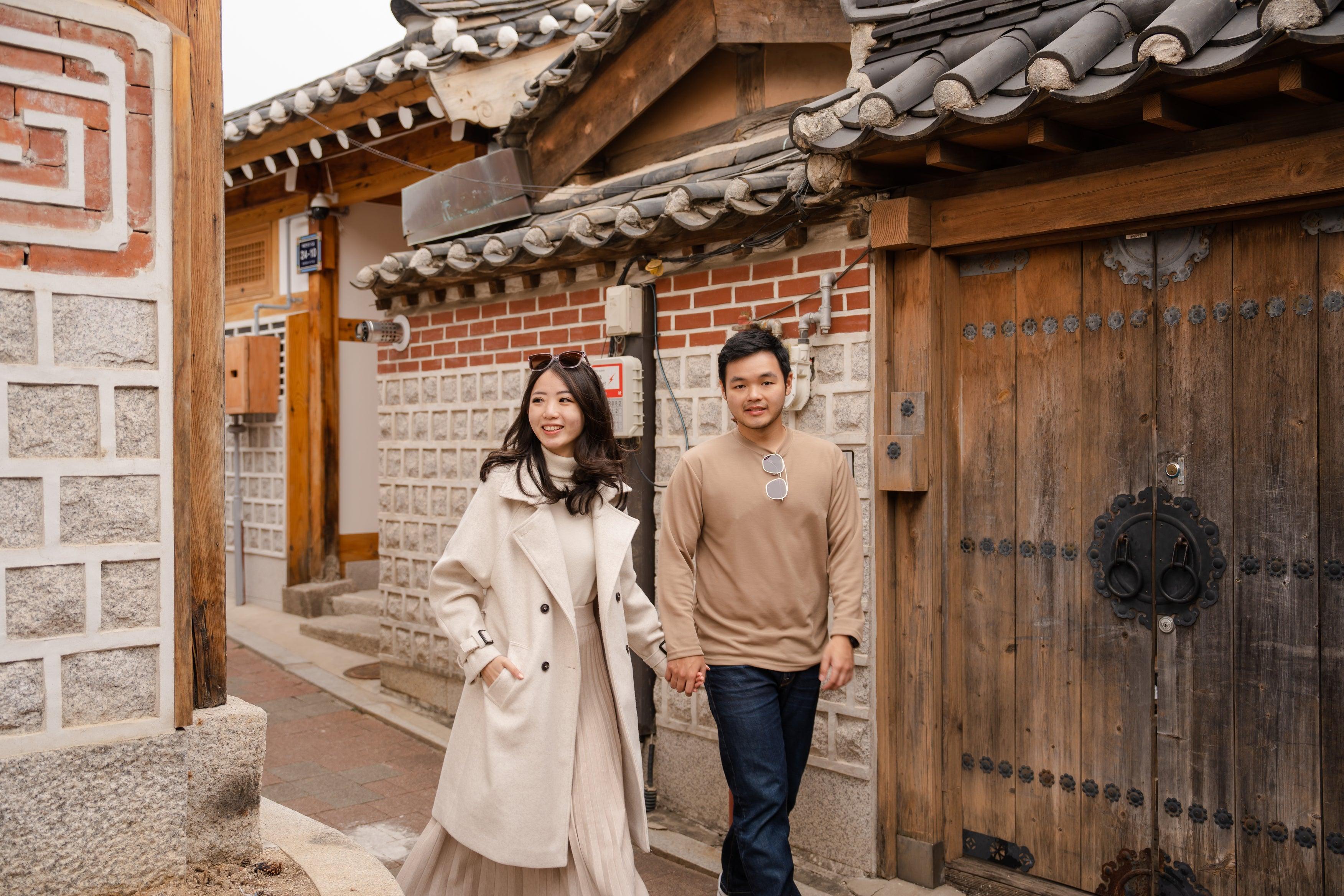
Many travelers arrive in Korea with a list of places they want to see.
They visit a palace, walk through a traditional village, photograph a market, and eat Korean barbecue. These can all be enjoyable experiences, but seeing Korea is not always the same as understanding it.
Culture becomes more meaningful when travelers are invited to participate.
Learning how a traditional object is made, sharing food around a Korean table, waking up in a hanok, or spending a quiet morning at a Buddhist temple creates a different relationship with the destination.
The best cultural experiences are not simply staged for photographs. They provide context, encourage genuine participation, and help travelers understand how Korea’s traditions continue to exist today.
Wear hanbok with an understanding of its meaning
Renting hanbok near a royal palace has become one of the most popular experiences for international visitors to Seoul.
It can be fun and visually memorable, but the experience becomes more meaningful when travelers learn about the clothing itself.
Hanbok styles, colors, fabrics, and accessories have changed across historical periods and social settings. The garments worn for royal ceremonies were different from everyday clothing, and modern hanbok designers continue to reinterpret traditional lines for contemporary life.
A well-arranged experience may include guidance on choosing appropriate clothing, learning basic etiquette, and visiting a palace with someone who can explain the architecture and history surrounding it.
The goal is not only to take beautiful photographs. It is to understand how clothing can express identity, status, celebration, and changing ideas of Korean beauty.
Stay overnight in a traditional hanok
Walking through a hanok village provides a glimpse of traditional Korean architecture. Staying in one allows travelers to experience how the space actually feels.
Hanok are designed around relationships between interior and exterior spaces. Courtyards, wooden verandas, paper doors, natural materials, and ondol floor heating all reflect the environment and rhythms of Korean life.
Not every hanok stay is the same. Some preserve a simple, traditional atmosphere, while others combine historic architecture with modern beds and private bathrooms.
The right choice depends on the traveler. Some guests value authenticity and simplicity, while others need greater comfort or accessibility.
A thoughtfully selected hanok can become more than accommodation. It offers a chance to slow down, notice the morning light through paper doors, and experience a living architectural tradition.
Spend time at a Buddhist temple
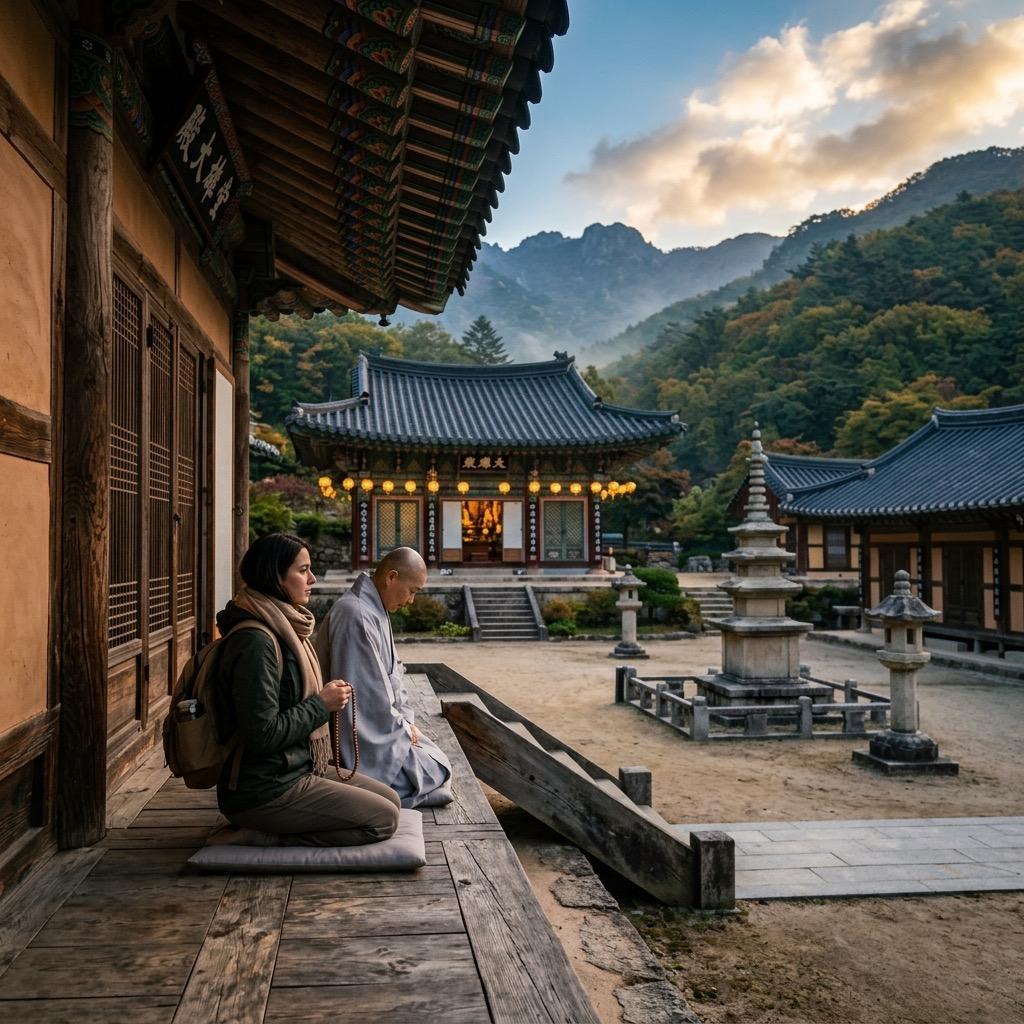
Korea’s Buddhist temples are often located in mountains, forests, and valleys, away from the speed of urban life.
A Templestay allows visitors to experience part of the daily rhythm of a temple. Programs may include meditation, communal meals, walking, tea with a monk, early morning ceremonies, or learning about Buddhist customs.
Travelers do not need to be Buddhist to participate. The experience is less about adopting a religion and more about entering a space of quiet observation and reflection.
The Korea Tourism Organization’s cultural activities guide recommends Templestay as one of the country’s representative cultural experiences.
Choosing the right program matters. Some focus on structured spiritual practice, while others offer more rest and flexibility. Matching the temple to the traveler’s expectations creates a much more comfortable and meaningful stay.
Learn Korean cooking around the table
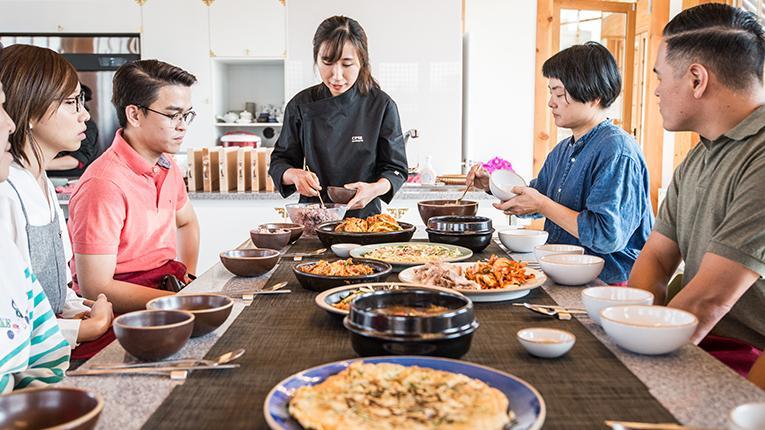
Food is one of the most direct ways to understand Korean culture.
A cooking class can introduce more than a recipe. It can explain why meals include numerous side dishes, how fermentation developed, which foods are associated with holidays, and why sharing dishes is central to Korean dining.
Kimchi-making is popular, but it is only one possibility. Travelers can learn to prepare dishes such as bibimbap, bulgogi, japchae, temple food, rice cakes, or regional specialties.
Traditional food experiences are also available beyond Seoul. For example, Jeonggangwon in Pyeongchang offers cooking programs connected to Korean culinary traditions.
The most memorable classes feel personal. They allow visitors to ask questions, work with local ingredients, and sit down to enjoy what they have prepared.
Create something with a Korean artisan
Craft workshops introduce travelers to the patience and skill behind Korea’s material culture.
Depending on the region, visitors may try pottery, natural dyeing, traditional paper crafts, embroidery, knot-making, lacquerware, calligraphy, or creating a personal stamp.
In Seoul, areas such as Insa-dong, Bukchon, and Gahoe-dong remain closely associated with traditional crafts and galleries. The official VisitKorea guide describes Insa-dong as a place where visitors can encounter traditional culture, fine art, teahouses, and independent shops.
For a deeper ceramic experience, travelers can visit regions such as Icheon, where Korea’s pottery traditions are tied to local workshops and working artists.
Bringing home something you made creates a stronger memory than purchasing a mass-produced souvenir. The object carries the story of the materials, techniques, and person who taught you.
Experience Korea’s tea culture
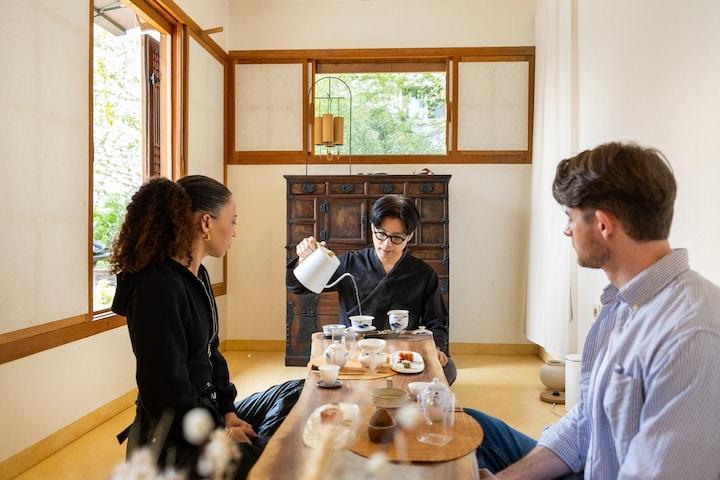
Korean tea culture is quieter and less internationally familiar than many of the country’s contemporary attractions.
A traditional tea experience introduces visitors to the relationship between tea, hospitality, ceramics, and mindful conversation. It may take place in a historic home, a small teahouse, a Buddhist temple, or a tea-growing region such as Boseong or Hadong.
The experience does not need to be overly formal. Even a simple explanation of how the tea is prepared, served, and shared can provide insight into Korean ideas of seasonality and respect.
This can be especially rewarding for travelers who prefer intimate cultural encounters over large performances or crowded attractions.
Visit a traditional market with local guidance
Traditional markets are full of food, conversation, and everyday activity, but they can be difficult for first-time visitors to understand.
Without context, travelers may walk through quickly, photograph unfamiliar ingredients, and order only the dishes they recognize.
With local guidance, the market becomes a window into Korean daily life.
Visitors can learn how ingredients are used, which foods are seasonal, how regional markets differ, and what dining etiquette to follow at shared counters. They may also discover dishes they would never think to order independently.
The most famous market is not always the best choice. A neighborhood or regional market can offer a more relaxed experience and stronger connection to local food culture.
Explore Korea’s regional traditions

Authentic Korean culture does not exist only in Seoul.
Gyeongju reveals the heritage of the ancient Silla Kingdom. Andong preserves Confucian traditions and historic village life. Jeonju is known for hanok architecture and food culture. Jeju has its own folklore, dialect, stone culture, and haenyeo heritage.
Smaller cities and villages often allow travelers to engage with traditions in the landscapes where they developed.
A mask dance in Andong, pottery workshop in Icheon, tea experience in Hadong, or food class in Jeonju carries a different sense of place from a short activity fitted into a busy Seoul schedule.
This does not make one experience more authentic than another. It means that the location, teacher, timing, and cultural context all matter.
How can travelers choose a genuinely meaningful experience?
Not every activity described as “traditional” provides the same cultural depth.
Before booking, consider the following questions:
- Is the experience led by a knowledgeable practitioner or local community?
- Does it explain the meaning behind the activity?
- Is there enough time to participate rather than simply take photographs?
- Does the program respect the people and tradition it presents?
- Is the group small enough for genuine interaction?
- Does the experience benefit the artisan or community involved?
- Does it suit the traveler’s interests and level of comfort?
Authenticity is not about finding a culture frozen in the past. Korea’s traditions continue to change, and many contemporary artists, chefs, designers, and communities are actively reinterpreting them.
A meaningful experience recognizes both the history and the living culture.
Go beyond observing Korea
The cultural moments travelers remember most are often surprisingly simple.
The warmth of an ondol floor. The sound of a temple bell before sunrise. A pot slowly taking shape beneath your hands. A market vendor explaining how to eat an unfamiliar dish. A cup of tea shared in a quiet room.
These experiences create a connection that sightseeing alone cannot provide.
They turn Korea from a destination you visited into a place you began to understand.
DISCOVER MORE STORIES

Korea Winter Travel: 5 Festivals for Ice Fishing, Sledding, and Snow Adventures
2026.10.16

Christmas in Korea: 5 Ways to Enjoy Seoul in December
2026.10.14

3 Korean Artisan Experiences: Meet the Makers Behind Traditional Crafts
2026.10.12

3 Beautiful Places to Visit in Korea in Autumn: Gyeongju, Naejangsan & Suncheon
2026.10.09

Seoraksan in Autumn: A Beautiful Mountain Escape on Your Korea Trip
2026.10.07

CONTACT
Experience Korea Beyond the Surface
Tell Hanway what inspires you, and our local experts will create a private journey featuring cultural experiences selected for their depth, quality, and connection to place.
SPEAK TO AN EXPERT