

Along Korea’s rocky coastline, women wearing black wetsuits dive into the sea without oxygen tanks. They hold their breath, gather seafood by hand, and return to the surface with a distinctive whistle-like sound.
They are called haenyeo, meaning “women of the sea.”
Haenyeo are most closely associated with Jeju Island, but their story stretches across several coastal regions of Korea. For international travelers, learning about their lives—and even joining a haenyeo experience—offers a meaningful way to discover Korea beyond its famous landmarks.
What Are Korean Haenyeo?
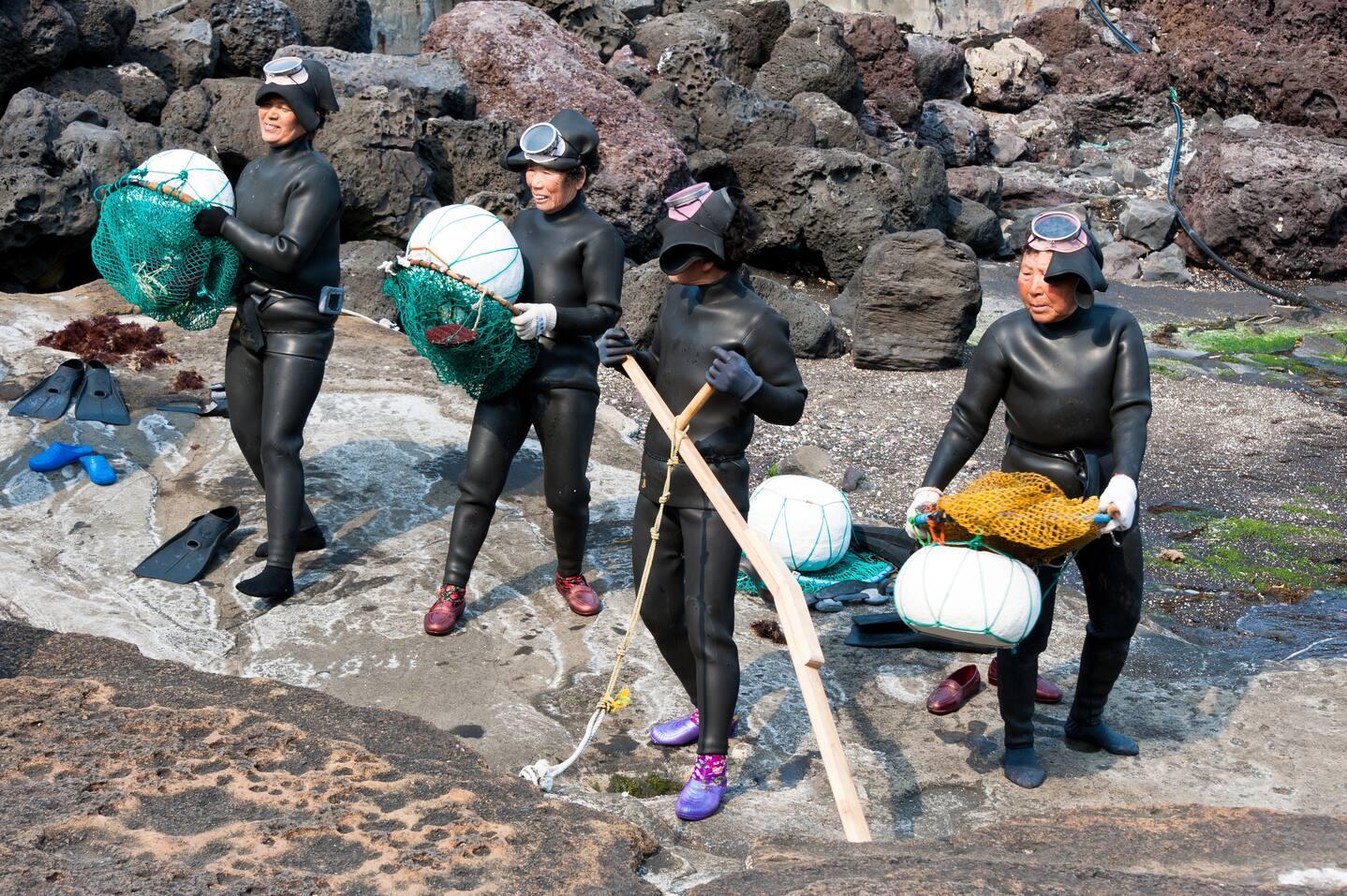
Haenyeo are traditional Korean female free divers who collect seafood without using oxygen tanks.
They dive for abalone, sea urchins, octopus, shellfish and seaweed using knowledge passed down through generations. This diving practice is called muljil.
Experienced haenyeo understand the tides, currents, weather and marine ecosystem. When they return to the surface, they release their breath with a unique whistling sound called sumbisori.
More than a fishing technique, haenyeo culture represents independence, community and respect for the sea.
Why Are Jeju Haenyeo So Special?
Jeju’s volcanic soil once made large-scale farming difficult. As a result, many women supported their families by working in the sea.
Haenyeo often became the main income earners in their households, giving women an unusually strong economic and social position within traditional village communities.
They also developed sustainable harvesting practices. Local cooperatives manage fishing grounds, restrict harvesting periods and teach divers not to collect seafood that is too small.
In 2016, the Culture of Jeju Haenyeo was added to UNESCO’s Representative List of the Intangible Cultural Heritage of Humanity. UNESCO recognizes the tradition for its contribution to women’s status, community identity and environmentally responsible fishing. UNESCO
Are Haenyeo Found Only on Jeju Island?
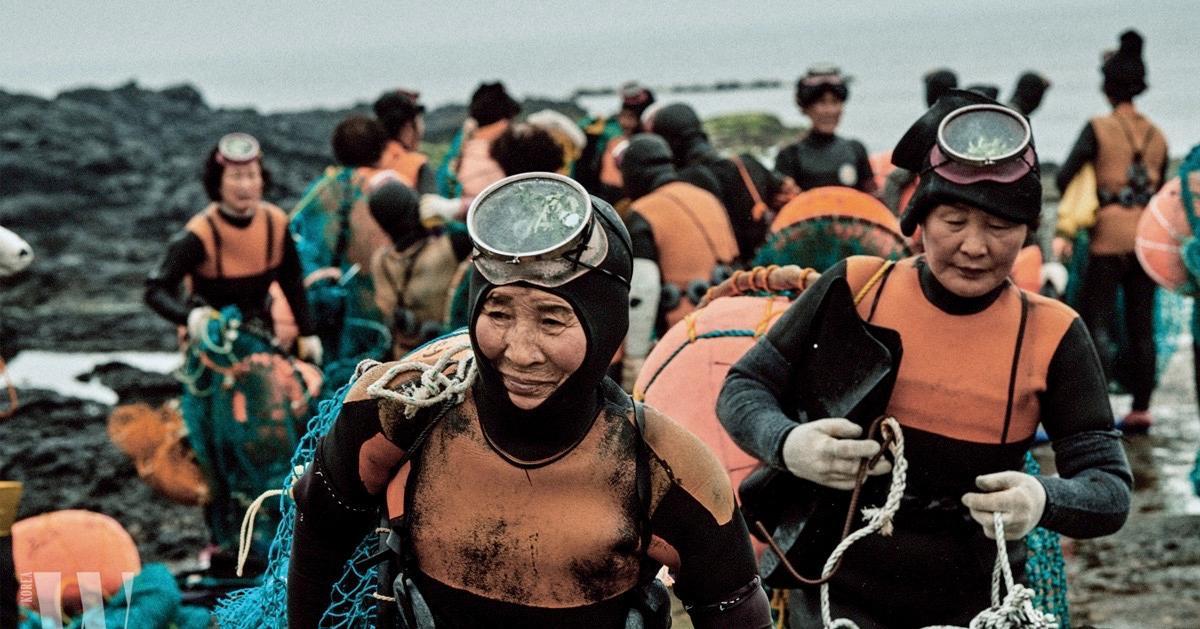
Jeju is the heart of haenyeo culture, but haenyeo have also worked in other coastal areas of Korea.
Historically, Jeju divers traveled away from the island in search of new fishing grounds. Their work carried haenyeo culture to places including:
- Busan and the Gijang coast
- Geoje Island
- Ulsan and the eastern coastline
- Gangwon Province
- Ulleungdo and the waters near Dokdo
- Other southern coastal islands
Some divers settled in these areas, while others traveled seasonally.
However, the UNESCO-listed heritage is specifically named the Culture of Jeju Haenyeo. Jeju remains the best destination for travelers who want to understand the tradition through museums, villages, performances and hands-on programs.
Can Travelers Try a Haenyeo Experience in Jeju?
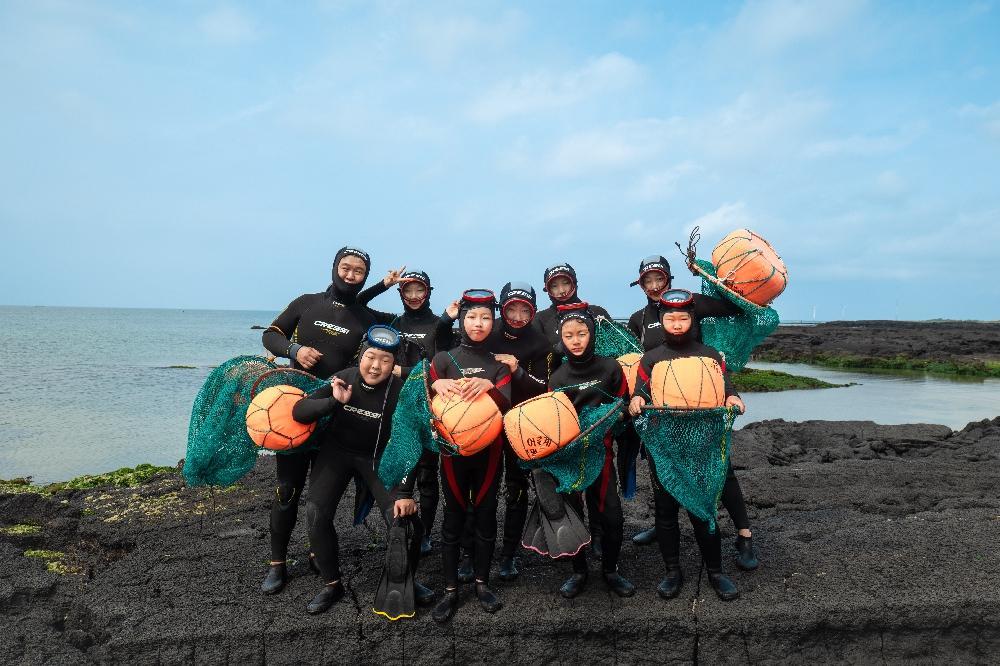
Yes. Several communities and haenyeo schools in Jeju offer cultural and diving experiences for visitors.
Depending on the program, travelers may be able to:
- Learn about haenyeo history and equipment
- Meet working or retired haenyeo
- Wear a wetsuit and use traditional tools
- Practice breathing and shallow-water diving
- Learn how seafood is collected
- Walk through a traditional fishing village
- Listen to stories directly from local haenyeo
Programs led by real divers are available at locations such as Beophwan Jomnyeo Village Haenyeo School and other coastal communities. Advance reservations are usually required.
Availability can change depending on the season, sea conditions and weather. Visitors should confirm whether the program is a cultural class, shallow-water activity or full diving experience before booking.
Travelers should also remember that fishing grounds are protected. Collecting seafood independently without authorization is not allowed.
Visit the Jeju Haenyeo Museum
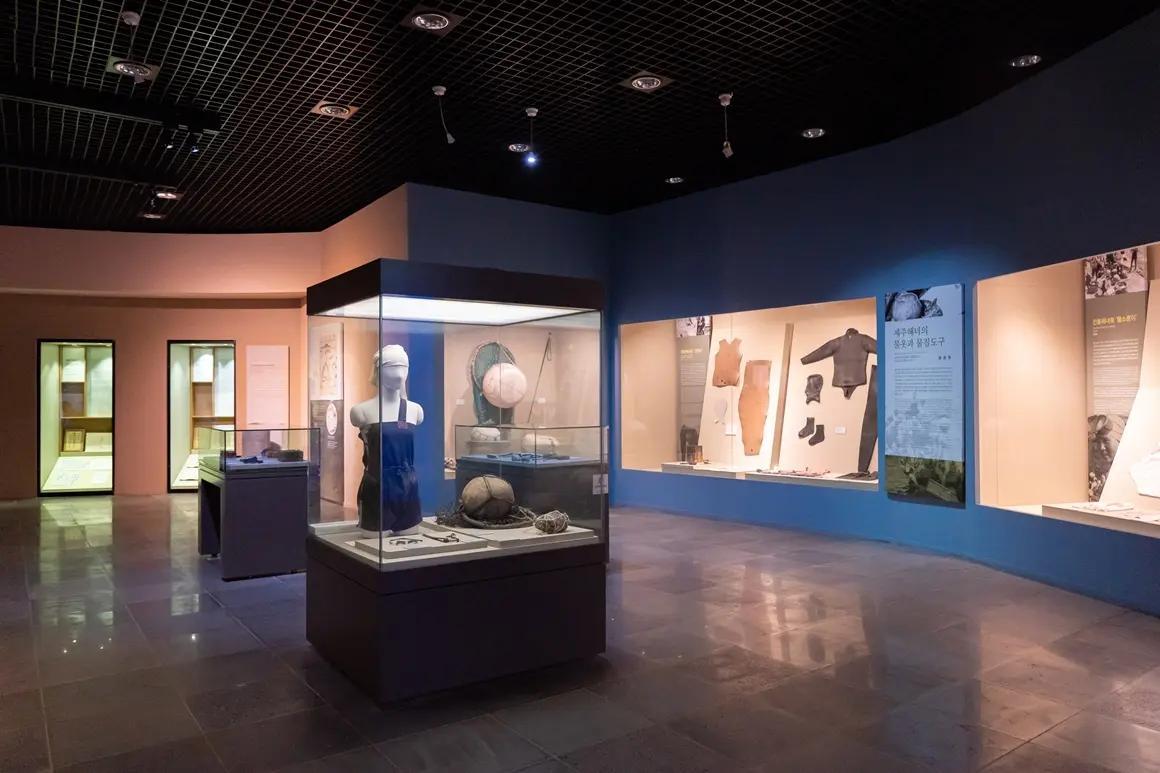
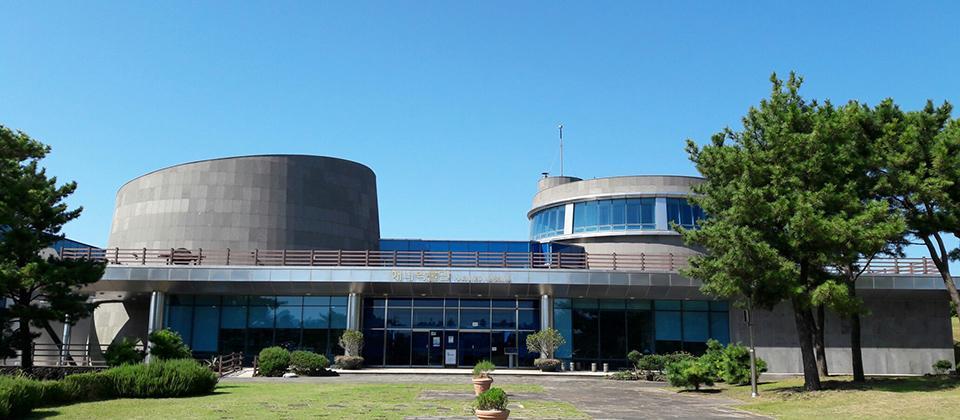
If entering the water is not for you, visit the Jeju Haenyeo Museum.
The museum introduces the history, tools, clothing, homes and working lives of Jeju’s women divers. It also explains how knowledge was shared within villages and how haenyeo supported their families and communities.
A museum visit is especially helpful before visiting a haenyeo village because it provides the cultural background needed to understand what you see along the coast.
What Is a Haenyeo Restaurant?
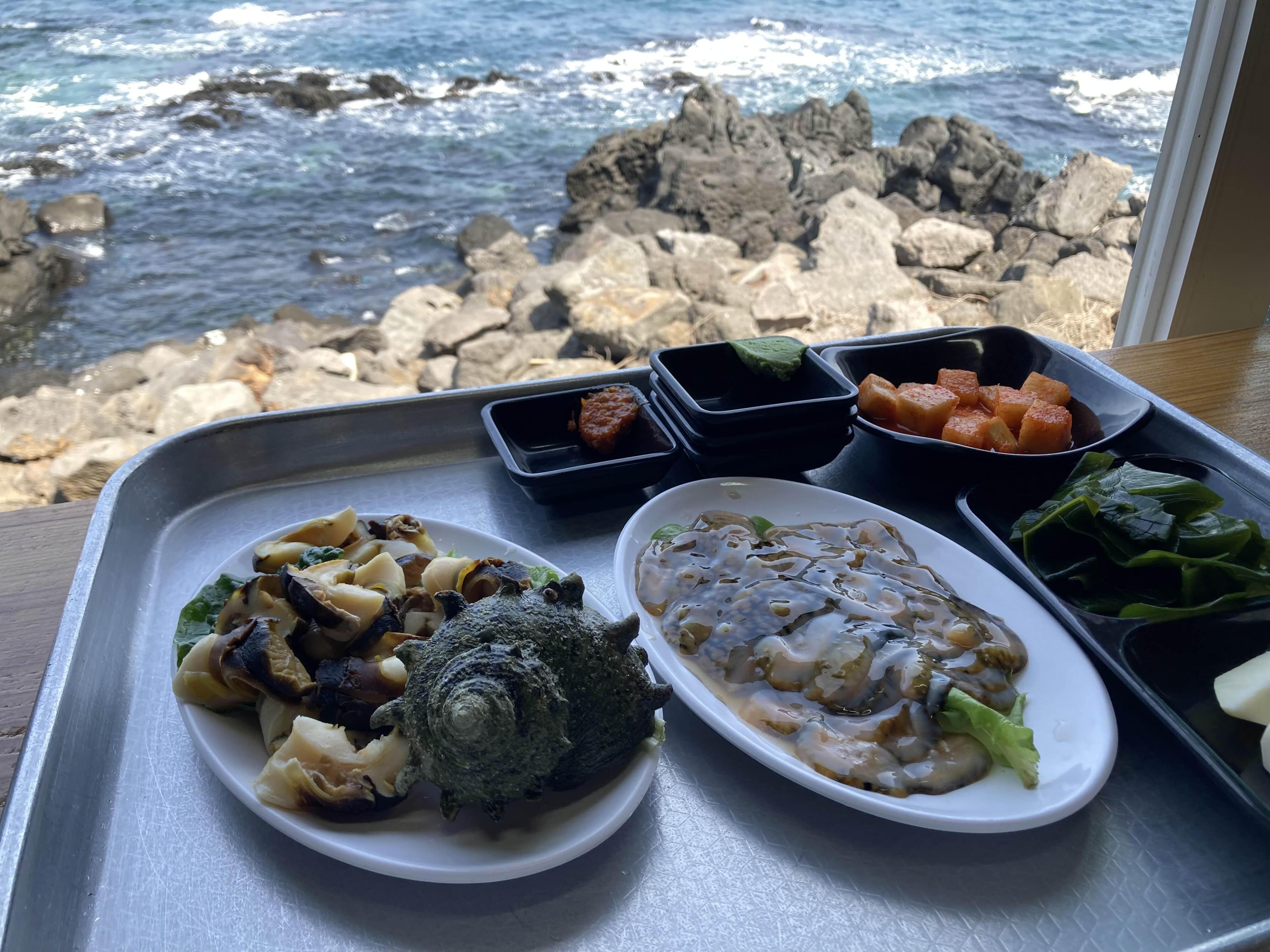
A haenyeo restaurant is a local seafood restaurant connected to haenyeo or a fishing village cooperative.
These restaurants serve simple dishes made with seafood associated with the local waters. Menus vary by season and may include:
- Abalone porridge
- Seafood ramen
- Sea urchin soup
- Grilled abalone
- Raw or blanched shellfish
- Octopus
- Seaweed soup
- Assorted seasonal seafood
The focus is usually freshness rather than elaborate presentation.
For example, Hyeopjae Haenyeouijip serves seafood ramen, assorted seafood and abalone hot pot using seafood caught by Hyeopjae haenyeo.
In some coastal villages, travelers may also find small seafood stalls or dining areas operated by local haenyeo associations. Menus and opening hours can depend on the day’s catch and sea conditions.
How to Experience Haenyeo Culture Respectfully
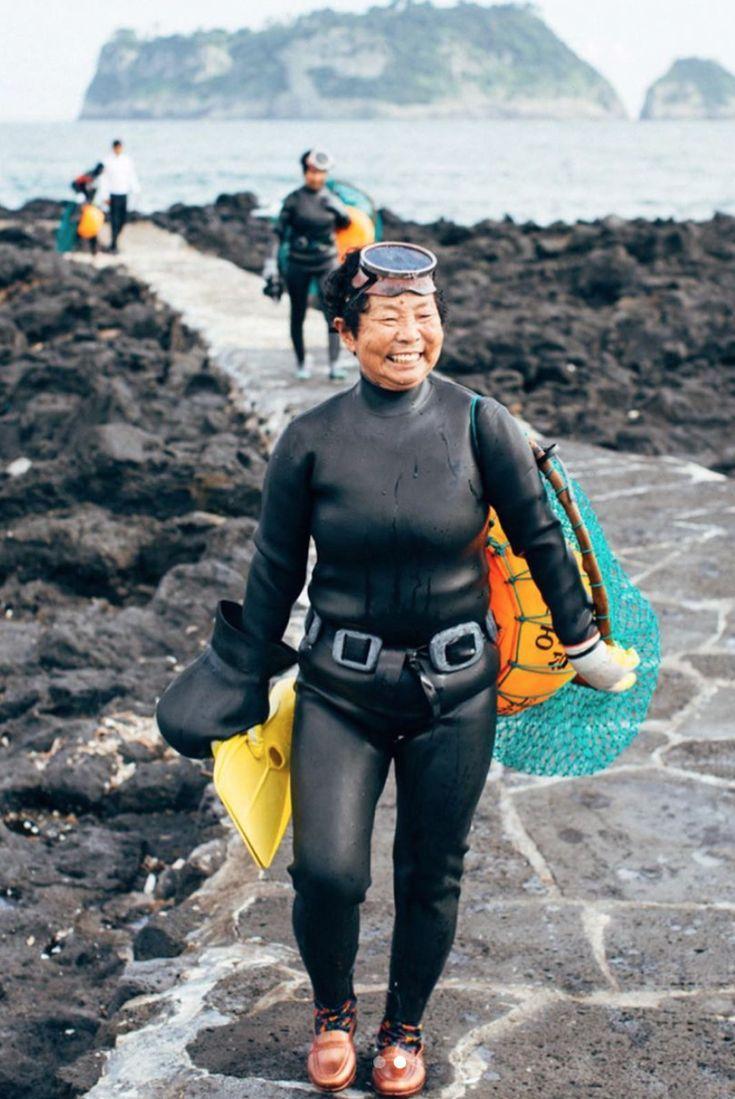
Haenyeo are not performers created for tourism. They are skilled professionals whose work takes place in a demanding and sometimes dangerous environment.
When visiting a haenyeo village:
- Do not enter protected fishing grounds
- Never collect shellfish without permission
- Do not interrupt divers while they are working
- Ask before taking close-up photographs
- Follow local safety instructions during experiences
- Choose community-led programs and restaurants
- Respect seasonal harvesting restrictions
Watching quietly and supporting locally operated experiences are some of the best ways to appreciate this living heritage.
Why International Travelers Love the Haenyeo Story
The haenyeo story offers something different from the Korea many visitors first imagine.
It is a story about strong women, coastal communities and knowledge developed through generations of living beside the sea. It also shows how Korean culture extends far beyond palaces, K-pop and busy cities.
Whether you meet a haenyeo, visit a museum, join a diving experience or eat fresh seafood at a haenyeo restaurant, the experience creates a deeper connection with Jeju and its people.
Frequently Asked Questions
Q. What does haenyeo mean?
Haenyeo means “sea woman” and refers to traditional Korean female free divers who collect seafood without oxygen tanks.
Q. Where can travelers see haenyeo?
Jeju Island is the best place to experience haenyeo culture. Divers also work in some coastal areas outside Jeju, including Busan, Geoje and Ulleungdo.
Q. Can foreigners join a haenyeo experience?
Yes. Some Jeju villages and haenyeo schools welcome international visitors, although English availability differs by program. Advance booking is recommended.
Q. Can visitors collect and eat their own seafood?
Only when this is explicitly included in an authorized program. Jeju’s fishing grounds and marine resources are protected, so visitors cannot collect seafood independently.
Q. What food is served at a haenyeo restaurant?
Typical dishes include abalone porridge, sea urchin soup, seafood ramen, shellfish, octopus and seasonal seafood caught or supplied by local divers.
Discover Jeju Through the Women of the Sea
A haenyeo experience is more than another activity to add to your itinerary. It is an opportunity to meet the people who shaped Jeju’s coastal identity and understand their relationship with the ocean.
Hanway can include haenyeo villages, cultural experiences, museums and local seafood restaurants in a personalized Jeju itinerary designed around your interests and travel style.
DISCOVER MORE STORIES

The 7 Best Beach Resorts in Korea
2026.08.03

Best Area to Stay in Seoul: Myeongdong, Hongdae
2026.05.18

Korean Cha-Cha-Cha Culture: How Korea’s 1st, 2nd, and 3rd Rounds Work
2026.08.10

Best Korea Cities After Seoul: 2026 Guide
2026.06.05

Why Visit Mokpo? Korea’s Underrated Coastal City
2026.08.24

CONTACT
Meet Jeju’s Legendary Women of the Sea
Experience Jeju’s haenyeo culture through local villages, hands-on activities and fresh seafood restaurants with a personalized Hanway journey.
SPEAK TO AN EXPERT