

Many first-time visitors to Korea divide their time between Seoul, Busan and Jeju. Yet travelers who want to understand the country’s history should make room for Gyeongju.
Once the capital of the Silla Kingdom, Gyeongju is a city where ancient tombs rise beside modern streets, Buddhist temples sit among forested mountains and archaeological sites become part of the everyday landscape.
It is also one of Korea’s best places to slow down. Rather than rushing through the major landmarks on a day trip, stay for two or three nights and allow the city to unfold gradually.
Why is Gyeongju historically important?
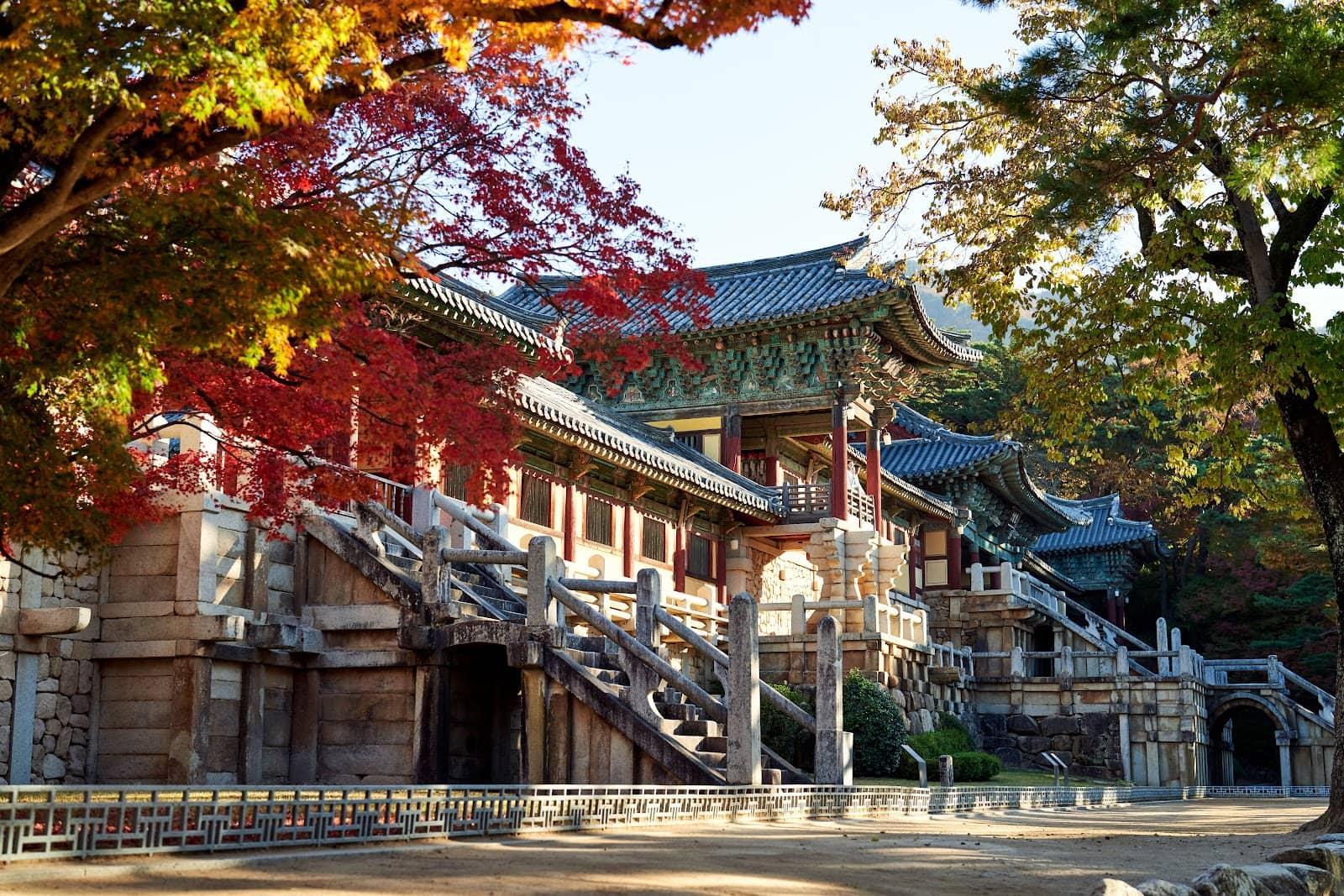
Gyeongju served as the capital of Silla, the kingdom that ruled much of the Korean Peninsula for nearly a thousand years. Its royal tombs, palace remains, temples, stone pagodas and Buddhist sculptures reveal a period that shaped Korean art and culture.
The UNESCO-listed Gyeongju Historic Areas are spread across five main zones: Mount Namsan, Wolseong, the Tumuli Park area, Hwangnyongsa and the fortress belt. This means Gyeongju is not defined by one monument. The historic landscape extends across the city and its surrounding countryside.
Nearby Bulguksa Temple and Seokguram Grotto form a separate UNESCO World Heritage Site and represent some of the finest achievements of Silla Buddhist art and architecture.
Can you visit Gyeongju as a day trip?
You can, but a day trip often reduces the city to a rushed sequence of famous sites.
With only a few hours, most visitors move quickly between Bulguksa Temple, Daereungwon Tomb Complex, Cheomseongdae Observatory and Donggung Palace and Wolji Pond. These places are worth seeing, but Gyeongju’s atmosphere is found in the spaces between them.
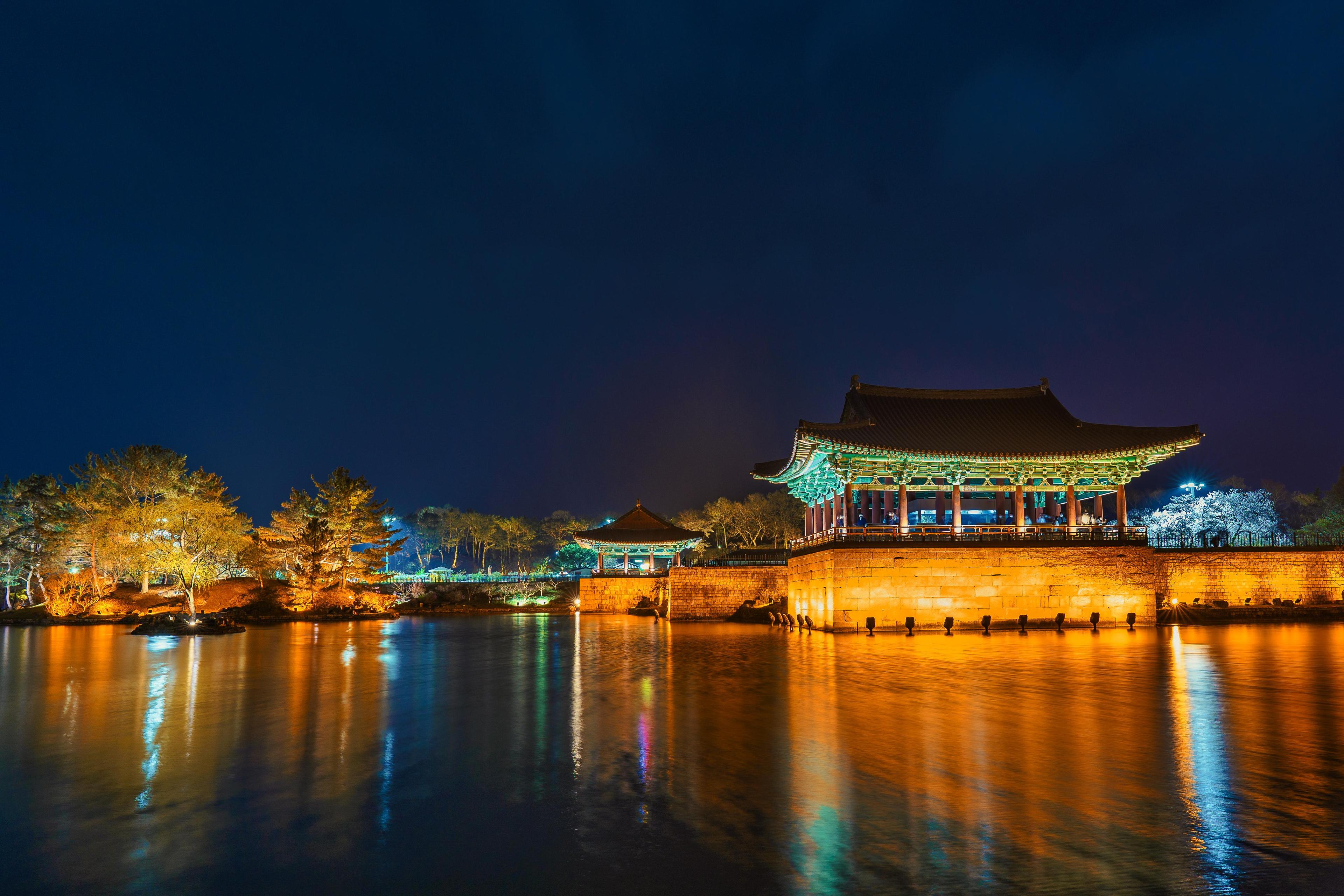
Staying for two or three nights allows you to explore early in the morning, return to the historic district after the day-trippers leave and enjoy the illuminated palace pond in the evening. It also creates time for rural landscapes, tea, cycling and less-visited heritage sites.
What are the essential places to see in Gyeongju?

For a first visit, the following sites provide a strong introduction:
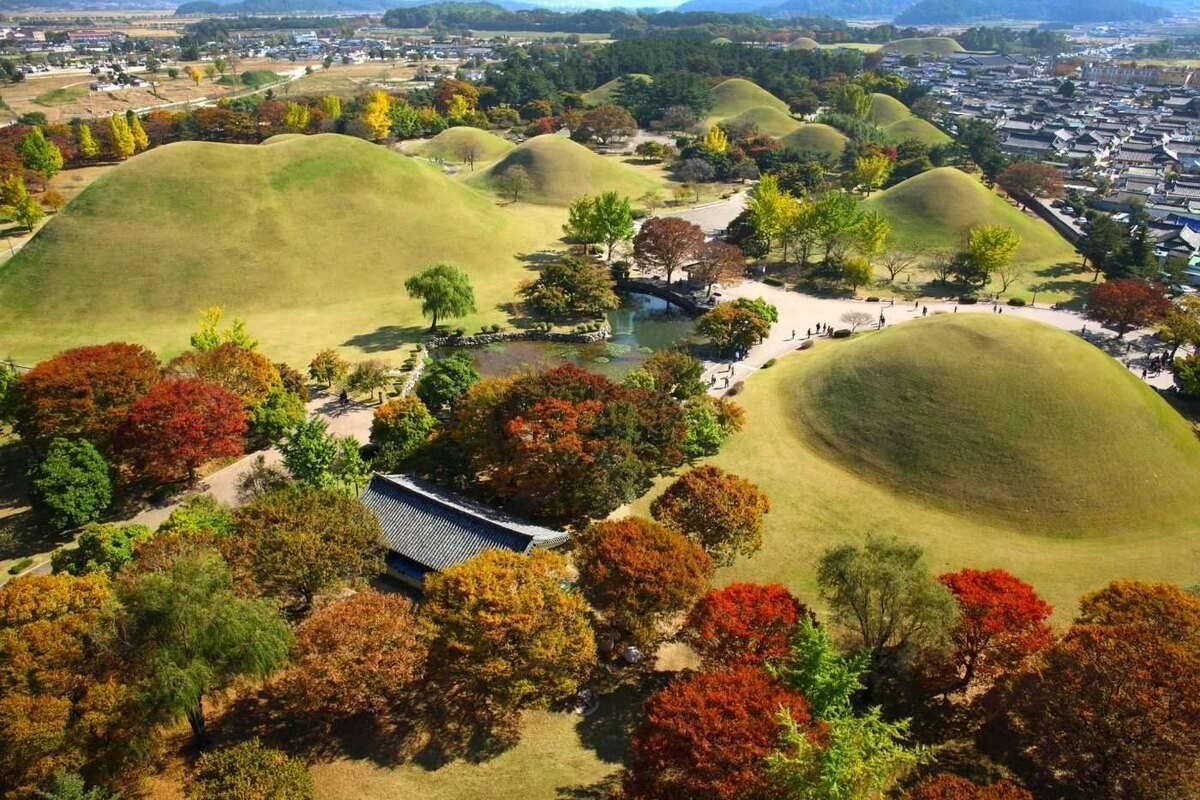
- Daereungwon Tomb Complex: Large grass-covered royal tombs create one of Gyeongju’s most recognizable landscapes.
- Cheomseongdae: An ancient astronomical observatory that reflects the scientific knowledge of the Silla period.
- Donggung Palace and Wolji Pond: A former royal palace complex that is especially atmospheric after sunset.
- Bulguksa Temple: A major work of Korean Buddhist architecture set against the slopes of Mount Tohamsan.
- Seokguram Grotto: A stone sanctuary containing a serene Buddha overlooking the East Sea.
- Gyeongju National Museum: The best place to connect the archaeological sites with the objects, art and stories of Silla.
A private guide adds real value in Gyeongju because many sites contain layers of history that are easy to miss when viewed without context.
Why is Gyeongju ideal for cycling?
The central historic area is relatively flat, and many key sites are connected by quiet roads and paths. Cycling lets travelers move at a human pace through tomb parks, fields, villages and archaeological landscapes.
A private e-bike day can be tailored to the riders’ ability and interests. A guide can lead the route while a support vehicle carries luggage, water and anything guests do not want to take on the bike. The ride might connect the historic center with rural areas, traditional villages or temple landscapes, with stops for tea and lunch.
E-bikes make the day accessible to a wider range of travelers, but the route should still be adapted for weather, road conditions and individual comfort. Spring and autumn are particularly pleasant, while summer rides are best planned for cooler morning hours.
What does slow travel in Gyeongju feel like?
Slow travel does not mean doing nothing. It means giving each experience enough time.
In Gyeongju, that may mean walking among the royal tombs before breakfast, spending an unhurried morning with a knowledgeable guide, stopping at a traditional tea house and leaving part of the afternoon open. It might mean visiting a country temple without immediately moving to the next attraction or choosing a smaller local restaurant over a tightly scheduled dining reservation.
The city rewards travelers who notice changes in light, landscape and atmosphere. The same tomb park feels different in the quiet morning, in golden afternoon light and after dark.
Where should you stay in Gyeongju?
The best location depends on the style of the trip.
Staying near the central historic district provides easy access to Daereungwon, Hwangnidan-gil and evening walks. Properties around Bomun Lake may offer more resort-style facilities and space, but require transportation to the historic center. A distinctive hanok-inspired stay can add a sense of place, provided that the comfort and room layout meet the traveler’s expectations.
Hanway selects accommodations according to location, service, design and how they support the itinerary rather than choosing a hotel solely by star rating.
What should you eat in Gyeongju?
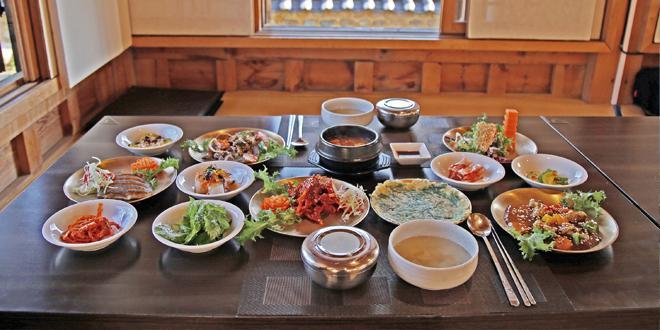
Gyeongju’s food experience should balance regional traditions with the city’s growing café and contemporary dining scene.
Travelers may encounter ssambap, a meal built around rice, vegetables and numerous side dishes wrapped in leafy greens; traditional Korean set meals; local breads and sweets; and carefully prepared temple-inspired cuisine. A tea experience is also a natural fit for a city shaped by Buddhist heritage.
The most memorable meals are not always the most formal. A well-chosen local restaurant can provide a stronger sense of Gyeongju than a famous reservation selected only for prestige.
How many nights should you spend in Gyeongju?
Two nights provide enough time for the central historic sites and Bulguksa Temple. Three nights are better for travelers who want a private cycling day, countryside exploration, a slower pace or meaningful time at their hotel.
Gyeongju also fits naturally between Seoul and Busan. KTX connections and private transfers can be combined, while luggage assistance makes the journey easier for guests traveling with larger bags.
For travelers seeking a seamless 14- to 16-day Korea itinerary, a three-night Gyeongju stay creates a welcome change of pace between the energy of Seoul and the coast of Busan.
Is Gyeongju worth visiting on a first trip to Korea?
Absolutely—especially if you care about history, architecture, Buddhism or landscapes shaped by the past.
Seoul shows Korea’s energy and constant reinvention. Busan reveals its relationship with the sea. Jeju offers volcanic nature and island culture. Gyeongju provides the historical depth that connects them.
Do not visit simply to complete a list of monuments. Stay long enough to cycle, walk, drink tea and experience the ancient capital at a slower rhythm.
DISCOVER MORE STORIES

The 7 Best Beach Resorts in Korea
2026.08.03

Best Area to Stay in Seoul: Myeongdong, Hongdae
2026.05.18

Korean Cha-Cha-Cha Culture: How Korea’s 1st, 2nd, and 3rd Rounds Work
2026.08.10

Best Korea Cities After Seoul: 2026 Guide
2026.06.05

Why Visit Mokpo? Korea’s Underrated Coastal City
2026.08.24

CONTACT
Discover Gyeongju Beyond a Day Trip
Hanway can create a private Gyeongju itinerary with expert cultural guides, e-bike routes, thoughtful accommodations, local dining and seamless connections to Seoul or Busan.
SPEAK TO AN EXPERT