

Why Visit Mokpo? Korea’s Underrated Coastal City
When international travelers imagine Korea’s coastal cities, Busan and Jeju usually come to mind first.
Mokpo, located at the southwestern edge of the Korean Peninsula, receives far less attention. Yet that is precisely what makes it worth visiting.
This historic port city offers a different side of Korea—one shaped by the sea, surrounding islands, regional food, modern history, and a slower rhythm of life. Mokpo does not overwhelm travelers with famous landmarks. Instead, it invites them to look more closely.
For those who want to travel beyond Korea’s most familiar destinations, Mokpo can be one of the most rewarding additions to the journey.
What makes Mokpo different from other Korean cities?
Mokpo grew around its port and has long served as an important gateway connecting the mainland with the islands of Korea’s southwest coast.
The city’s relationship with the sea is visible everywhere. Fishing boats move through the harbor, seafood fills the local markets, and clusters of islands appear on the horizon. Even in the city center, the ocean never feels far away.
Unlike Seoul’s fast pace or Busan’s energetic beach districts, Mokpo feels compact, nostalgic, and deeply connected to its regional identity.
It is the kind of destination where the journey is less about checking off attractions and more about understanding how geography, history, and food have shaped local life.
See the city and islands from Yudalsan Mountain
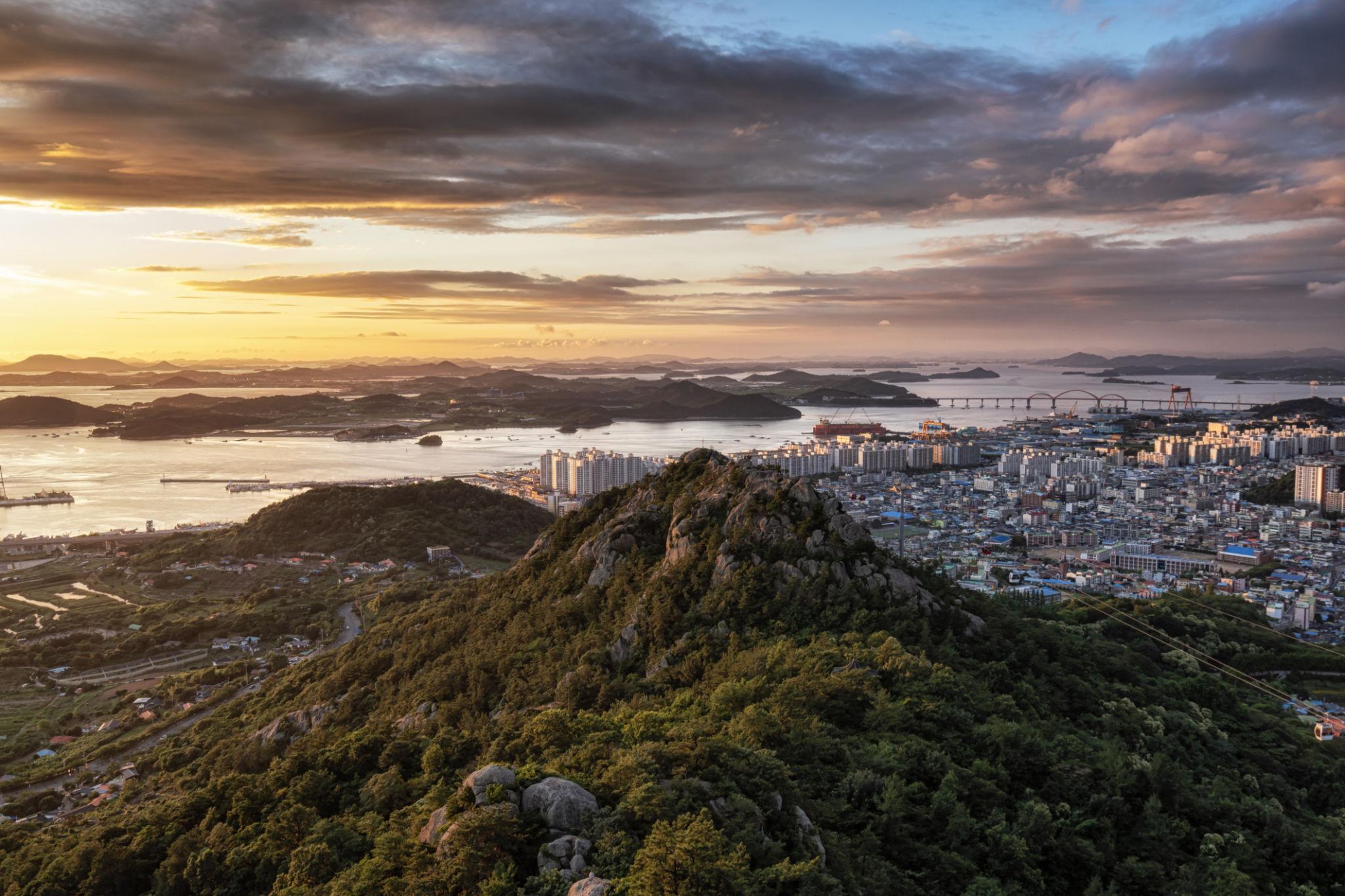
Yudalsan Mountain rises from the center of Mokpo and provides one of the best introductions to the city.
Although it is not a particularly high mountain, its position allows travelers to look across Mokpo’s old neighborhoods, harbor, bridges, and the islands scattered throughout the Dadohae Sea.
Walking paths, viewing points, sculptures, and rocky peaks make it possible to enjoy the mountain without committing to a demanding hike. At sunset, the sea and surrounding islands take on softer colors, revealing why this landscape has inspired generations of local artists.
The Korea Tourism Organization describes the view of ships moving between the islands as resembling an Oriental painting. It is an image that captures Mokpo well: active yet peaceful, urban yet always facing the sea.
Travel above the sea on the Mokpo Marine Cable Car

The Mokpo Marine Cable Car connects the city with Gohado Island, passing over both the mountain and the sea.
The ride offers wide views of Yudalsan Mountain, Mokpo Bridge, the harbor, and the nearby islands. More than simple transportation, it helps visitors understand Mokpo’s geography from above.
From this perspective, the city no longer appears to end at the coastline. Instead, it feels like part of a much larger maritime landscape connecting countless islands and coastal communities.
For first-time visitors, the cable car is one of the easiest ways to appreciate what makes Mokpo visually different from Korea’s inland destinations.
Walk through Mokpo’s modern history
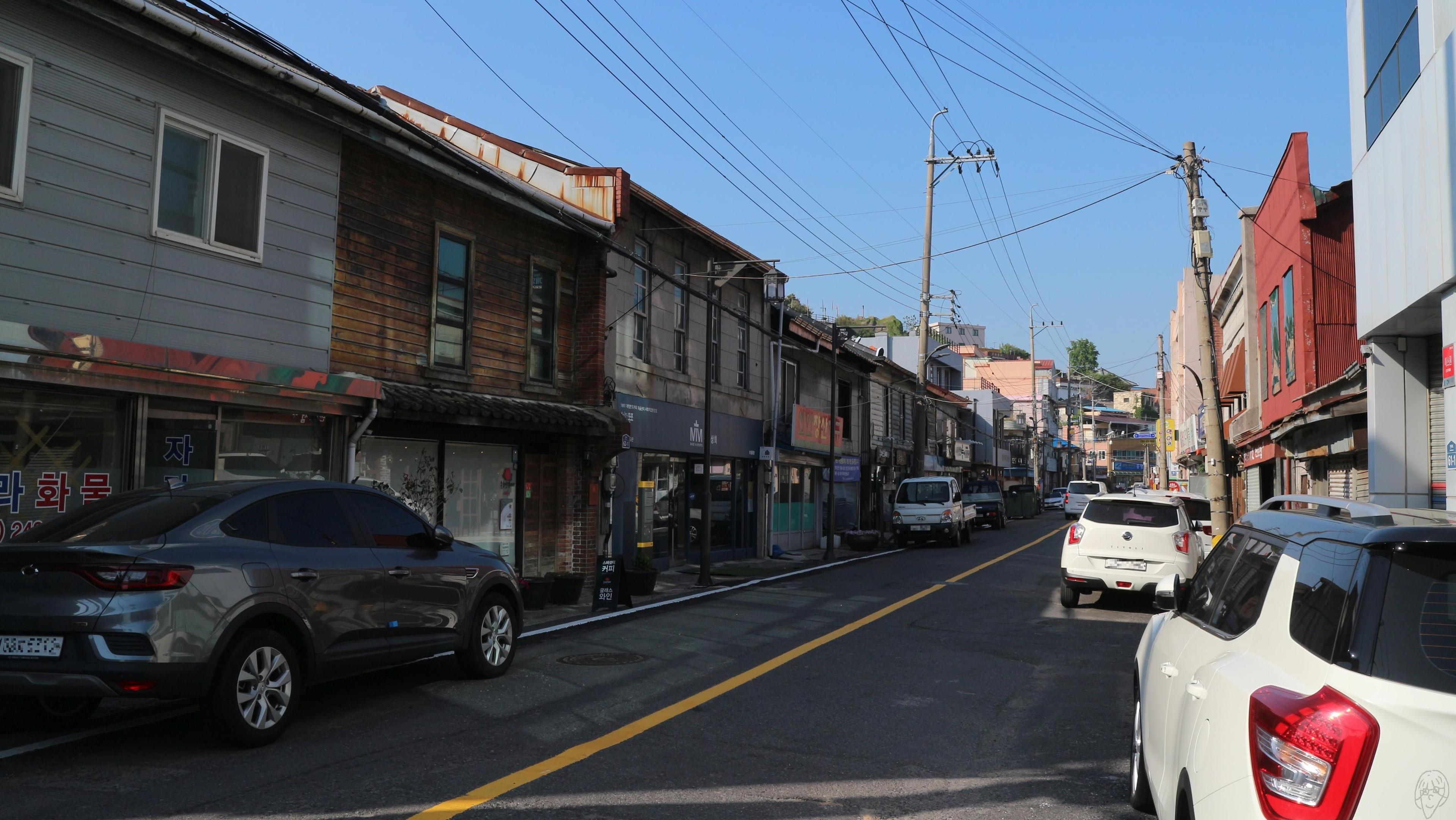
Mokpo’s old downtown preserves traces of the period when the city developed rapidly as a modern port.
Historic buildings and steep residential streets reveal layers of Korea’s modern history, including the difficult years of Japanese colonial rule. Today, former administrative and commercial buildings have been preserved as museums and cultural spaces.
Exploring this area gives travelers a more complex understanding of Korea. The country’s story is not limited to royal palaces and ancient dynasties. Its modern cities were also shaped by colonialism, industrialization, migration, and changing connections with the outside world.
Mokpo offers a particularly meaningful place to encounter this history because many of those stories remain visible in the city’s architecture.
Discover a city built around food
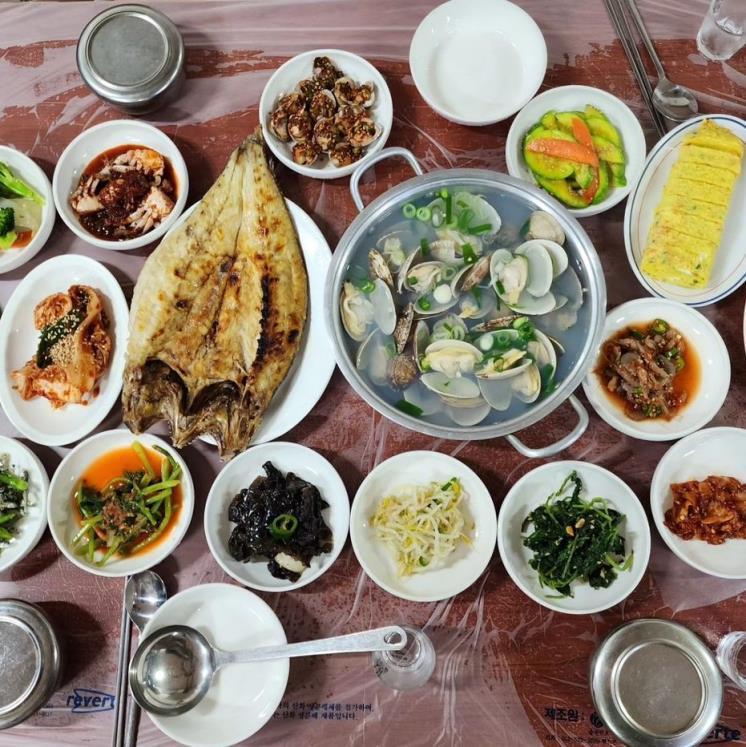
Mokpo is one of Korea’s great destinations for regional cuisine.
Its location gives the city access to seafood from the surrounding islands and tidal flats, while the wider Jeolla region is renowned for generous meals accompanied by numerous side dishes.
One of Mokpo’s best-known specialties is hongeo, or fermented skate. Its intense aroma and flavor make it challenging even for many Koreans, but it remains an important part of the region’s culinary identity.
Travelers who prefer something more approachable can try seasonal raw fish, octopus, croaker, blue crab, or a traditional Korean set meal filled with local dishes.
The best experience is not necessarily choosing the most famous restaurant. It is visiting the right place for the season, understanding what is being served, and sharing the meal as local diners do.
Experience the harbor after sunset
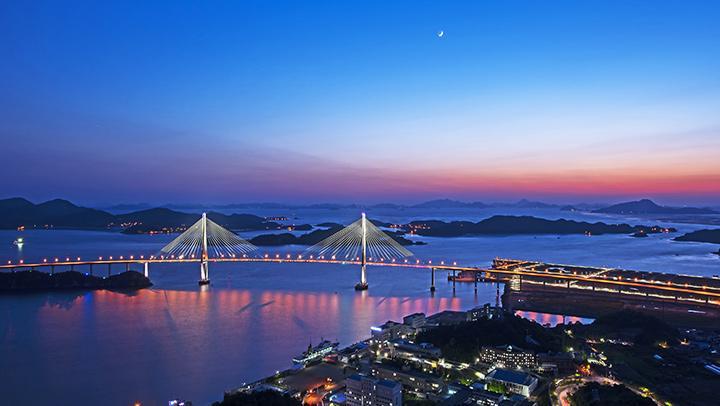
Mokpo becomes especially atmospheric in the evening.
The harbor lights reflect on the water, Mokpo Bridge glows in the distance, and the city’s mountains and islands become silhouettes against the night sky.
A cruise from Samhakdo Island offers another way to see the waterfront. According to the official VisitKorea guide, the route passes landmarks such as Mokpo Bridge, the marine cable car tower, and the Dancing Ocean Fountain.
However, enjoying Mokpo at night does not require a full schedule. A quiet waterfront walk followed by a regional seafood dinner can be just as memorable.
That unhurried atmosphere is one of the city’s greatest strengths.
Who should include Mokpo in a Korea itinerary?
Mokpo is particularly rewarding for travelers who:
- Have already visited Korea’s major cities
- Want to explore destinations beyond Seoul and Busan
- Enjoy regional food and seafood
- Are interested in Korea’s modern history
- Prefer quieter cities with a strong local character
- Want to connect a mainland journey with Korea’s southwest islands
- Appreciate coastal scenery without a resort atmosphere
Mokpo may not be the right destination for travelers searching for nightlife, luxury shopping, or internationally famous attractions. Its appeal is subtler.
It rewards curiosity rather than urgency.
How long should you spend in Mokpo?
One full day provides an introduction to Yudalsan Mountain, the marine cable car, the historic center, and local cuisine.
However, staying for two nights creates a more satisfying experience. It allows time to explore without rushing, enjoy the harbor in the evening, and possibly add a nearby island or coastal destination.
Mokpo also works well as part of a longer journey through Jeolla Province, paired with places such as Jeonju, Damyang, Suncheon, or the islands of Sinan.
The route and length of stay should depend on what you hope to experience—not simply how many cities you can fit into the itinerary.
Discover the Korea that many travelers miss
Mokpo does not compete for attention in the way Korea’s larger cities do.
Its beauty lies in its harbor, hillside streets, layered history, regional flavors, and views stretching toward distant islands. It offers travelers the chance to step away from Korea’s busiest routes and experience a city that still feels strongly connected to its place.
For those willing to travel a little farther, Mokpo reveals a quieter and more personal side of Korea.
DISCOVER MORE STORIES

Korea Winter Travel: 5 Festivals for Ice Fishing, Sledding, and Snow Adventures
2026.10.16

Christmas in Korea: 5 Ways to Enjoy Seoul in December
2026.10.14

3 Korean Artisan Experiences: Meet the Makers Behind Traditional Crafts
2026.10.12

3 Beautiful Places to Visit in Korea in Autumn: Gyeongju, Naejangsan & Suncheon
2026.10.09

Seoraksan in Autumn: A Beautiful Mountain Escape on Your Korea Trip
2026.10.07

CONTACT
Explore Korea Beyond the Familiar
Let Hanway create a private Korea journey that connects Mokpo’s coastal scenery, history, and regional cuisine with the destinations that match your interests.
SPEAK TO AN EXPERT