


A first trip to Korea can begin with a palace courtyard and end beside the sea. Between those moments, there might be a market lunch, a quiet tea house or an evening walk past the royal tombs of an ancient capital.
The question is how much time to give each experience.
For a first trip to South Korea, we recommend 10–14 days if you want to combine Seoul with regional destinations at a comfortable pace. Seven days works for Seoul or a focused Seoul-and-Busan trip. Ten days allows Seoul, Gyeongju and Busan; 14 days creates room for another destination or longer stays.
These are Hanway’s planning recommendations, rather than a minimum stay required to enjoy Korea. Your arrival time, interests and preferred pace matter as much as the number of days.
How long should your first Korea trip be?
7 days / 6 nights: A focused introduction
Spend the week in Seoul, or divide your time between Seoul and Busan. One or two bases make this a good choice for a first taste of Korea, with limited room for additional regional stops.
10 days / 9 nights: City life, history and the coast
Combine Seoul, Gyeongju and Busan for a varied first trip. This route balances the capital, historic landscapes and coastal experiences. Choose what interests you most rather than adding more cities.
14 days / 13 nights: A broader mainland journey
Explore Seoul, Jeonju, Gyeongju and Busan, with time for regional food and traditional architecture. Expect more hotel changes, and allow a generous transfer window between Jeonju and Gyeongju.
14 days / 13 nights, with Jeju: An island addition
Combine Seoul, Gyeongju and Busan with a stay on Jeju Island. This option suits travelers who want island scenery alongside mainland highlights. Allow for a domestic flight, airport transfers and check-in time.
The sample itineraries below count arrival as Day 1 and departure as the final day. International travel before arrival is excluded. A late arrival or early departure reduces usable sightseeing time.
Is 7 days enough in Korea?
Yes. Seven days is enough for an enjoyable first visit if you keep the route focused. It works particularly well for travelers who enjoy exploring neighborhoods in depth, or who want a short introduction to both Seoul and Busan.
Option 1: Spend the week in Seoul
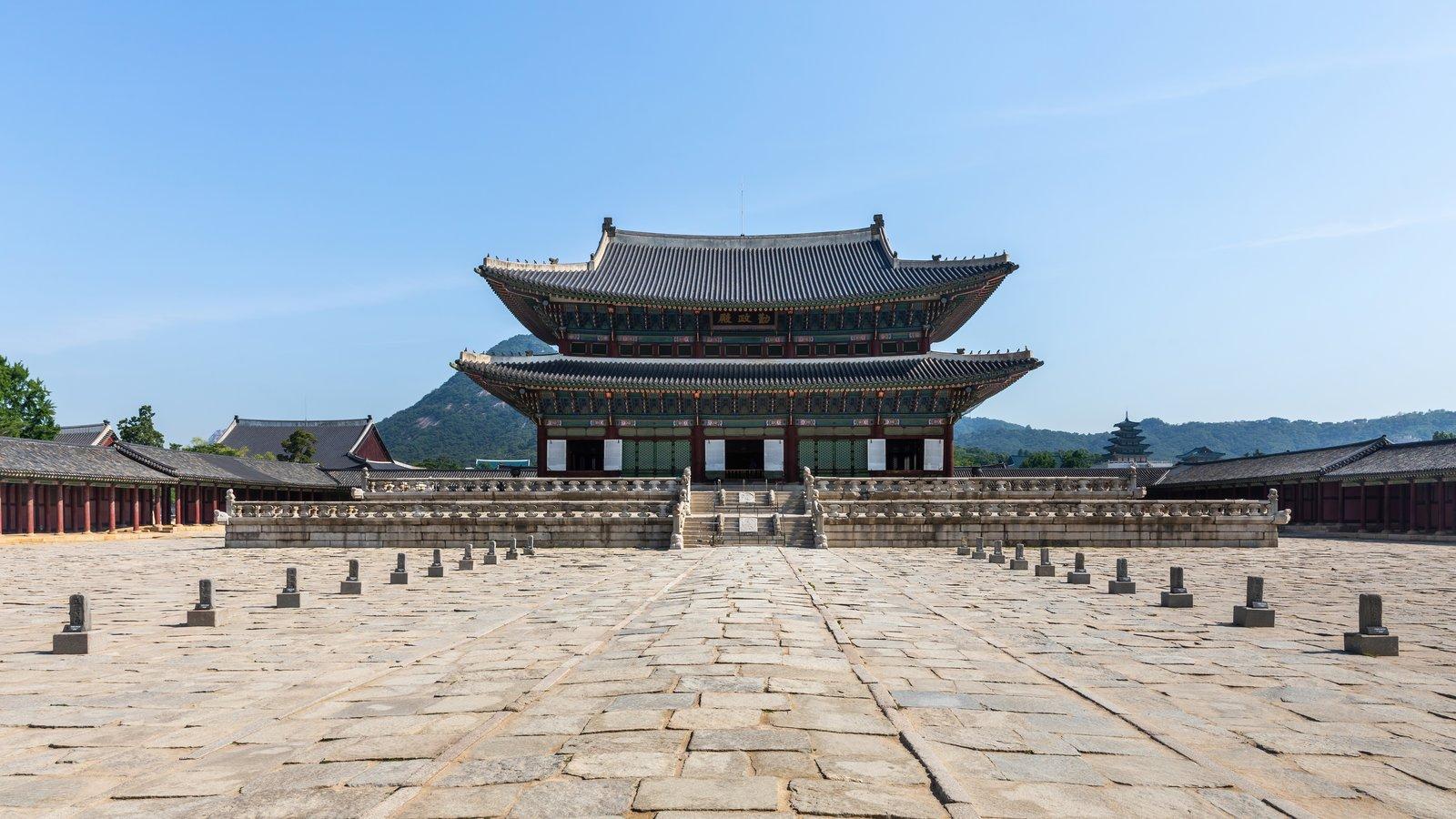
With one hotel base, your time can move between royal palaces, traditional markets, contemporary neighborhoods and a gentle outdoor escape. Leave space for a guided cultural experience, a craft workshop or a day outside the city chosen around your interests.
This approach suits travelers who prefer unpacking once. It also leaves flexibility for weather, jet lag and the unexpected pleasure of finding a neighborhood you want to revisit.
Option 2: Divide the week between Seoul and Busan
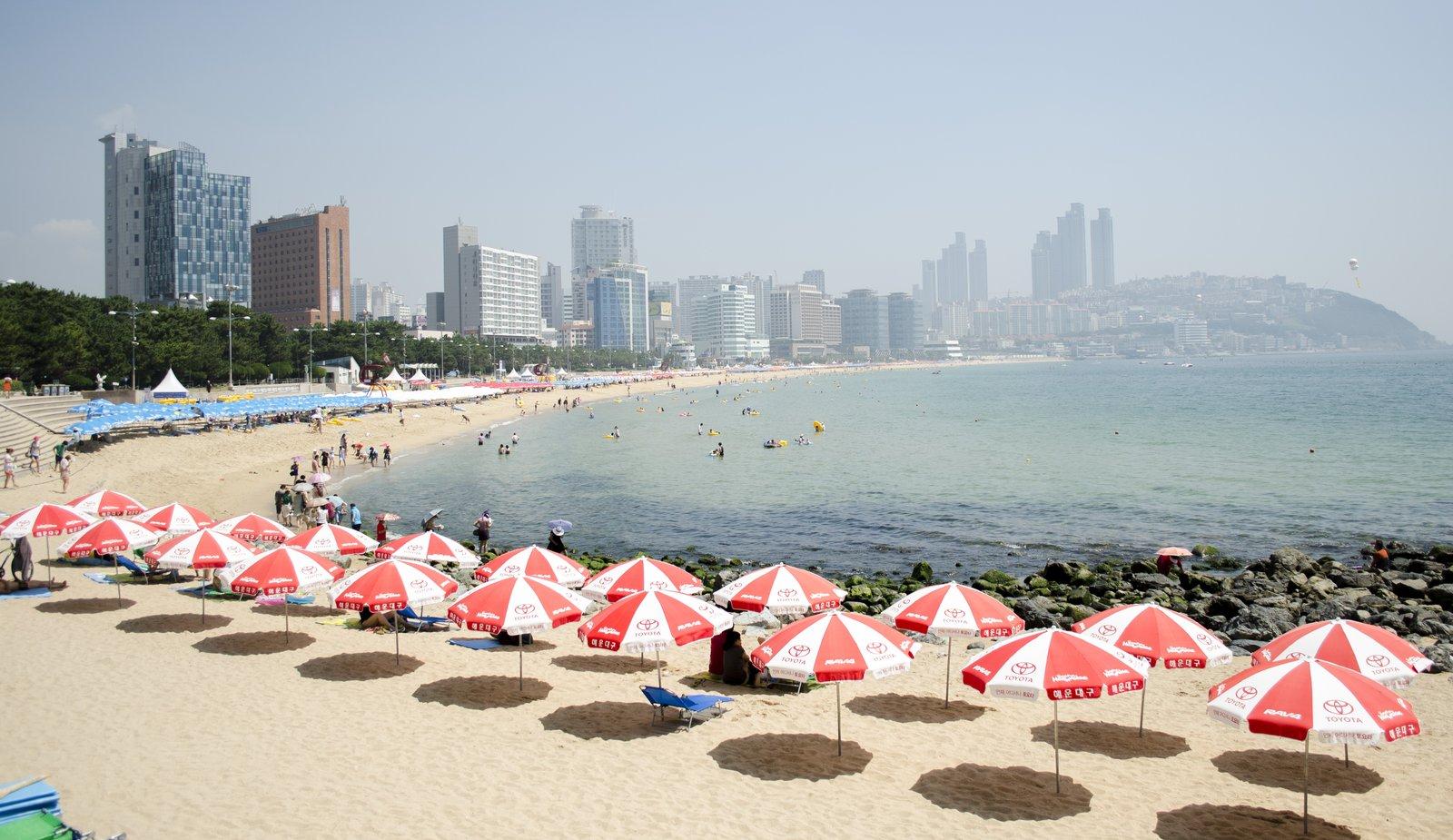
Day 1: Arrive in Seoul
Settle into your hotel and enjoy a short neighborhood walk, depending on your arrival time and energy.
Overnight: Seoul
Day 2: Discover Seoul’s traditional side
Visit a palace, explore traditional streets and pause for a local lunch.
Overnight: Seoul
Day 3: Explore Seoul your way
Spend the day discovering markets, contemporary culture or an experience that reflects your interests.
Overnight: Seoul
Day 4: Travel to Busan
Head south to Busan and settle into your hotel. Keep the afternoon nearby, with time for a gentle walk or a relaxed meal.
Overnight: Busan
Day 5: Enjoy the coast
Explore one coastal area at an unhurried pace, leaving time for sea views and breaks along the way.
Overnight: Busan
Day 6: Discover local Busan
Visit a market and explore another neighborhood, with time to rest before your departure.
Overnight: Busan
Day 7: Depart from Busan
Depart from Busan if suitable flights are available. If your international flight leaves from Incheon, return to Seoul on Day 6 and spend your final night there.
This outline assumes departure from Busan. If you fly home from Incheon, consider returning to Seoul on Day 6 and spending the final night there. That gives Busan less time, but makes the departure day easier to manage.
The Korea Tourism Organization gives approximately 2.5 hours for the Seoul–Busan KTX journey in its suggested itineraries. That is train time: hotel transfers, boarding and onward travel come on top.
Is 10 days enough for Seoul, Gyeongju and Busan?
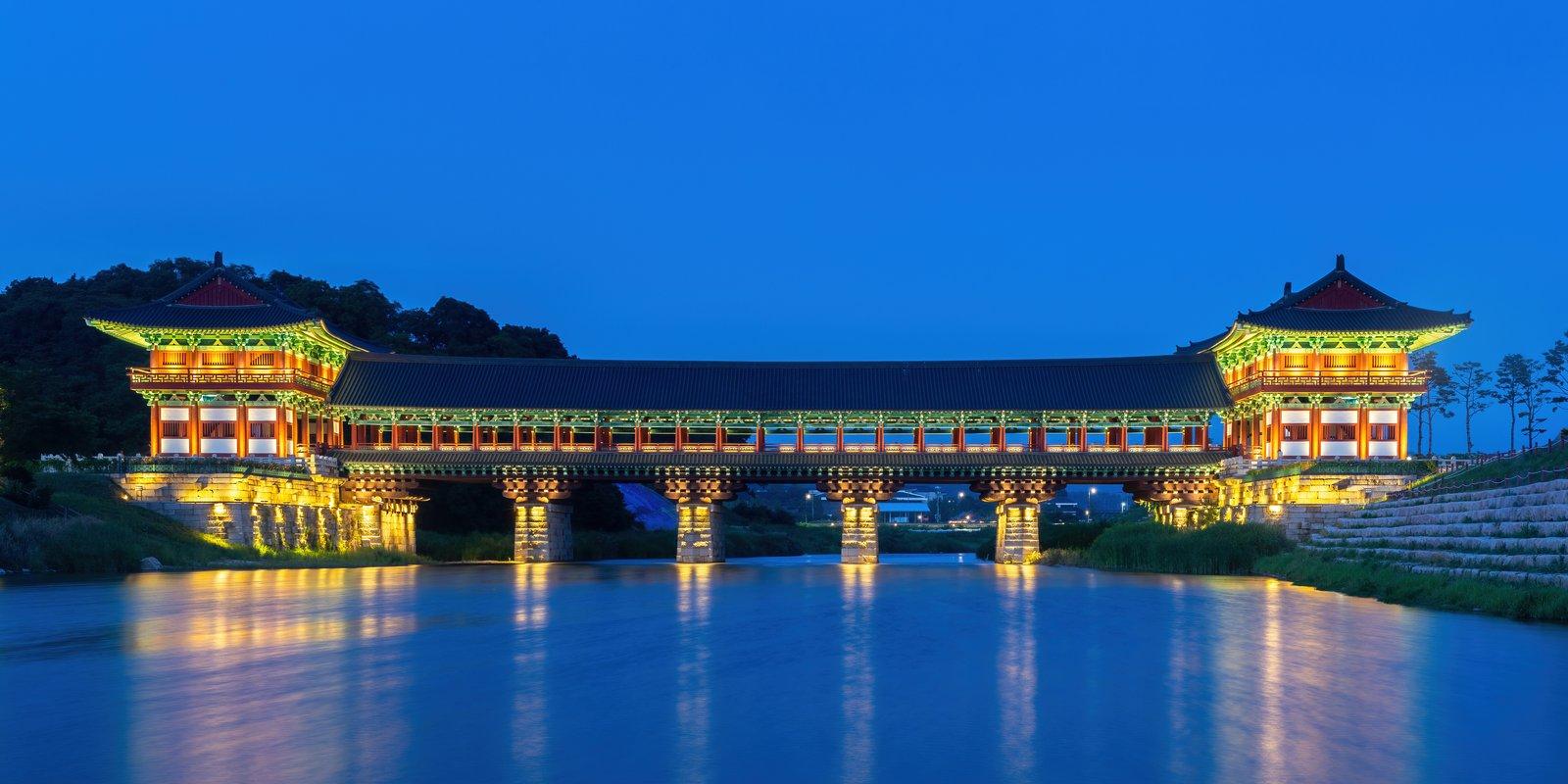
Ten days is a practical starting point for a first Korea itinerary combining Seoul, Gyeongju and Busan. Three bases give the journey variety without requiring you to pack up every morning.
One possible split is four nights in Seoul, two in Gyeongju and three in Busan.
Days 1–4: Explore Seoul
Settle in and discover Seoul’s major sights, with time for neighborhood walks and an experience tailored to your interests.
Overnight: Seoul — 4 nights
Days 5–6: Discover historic Gyeongju
Travel south to Gyeongju and explore its historic landscapes. Leave time for an evening walk before enjoying a full day of cultural discovery.
Overnight: Gyeongju — 2 nights
Days 7–9: Experience coastal Busan
Continue to Busan for markets, sea views and coastal neighborhoods. Balance sightseeing with time to relax by the water.
Overnight: Busan — 3 nights
Day 10: Depart from Korea
Fly home from Busan if suitable flights are available. If your international flight leaves from Incheon, return to Seoul on Day 9 and spend your final night there.
Gyeongju changes the rhythm of the trip. Between Seoul’s density and Busan’s waterfront, you can spend time around historic sites and smaller streets, with an evening that does not need to revolve around a long journey onward.
Two nights in Gyeongju makes room for a relaxed evening. Photo: Basile Morin / Wikimedia Commons, CC BY-SA 4.0. Original.

Avoid treating every Busan attraction as part of one day. Choose nearby places together, then allow the next day to show you a different part of the city. If your return flight is from Incheon, move one of the final nights to Seoul. Plan around the airport on your actual ticket rather than assuming an intercity train leads directly to your international check-in desk.
What can you do with 14 days in Korea?
Two weeks gives you a choice: add a destination that matters to you, or deepen the route you already have. Both can produce a rewarding trip.
A mainland itinerary with Jeonju
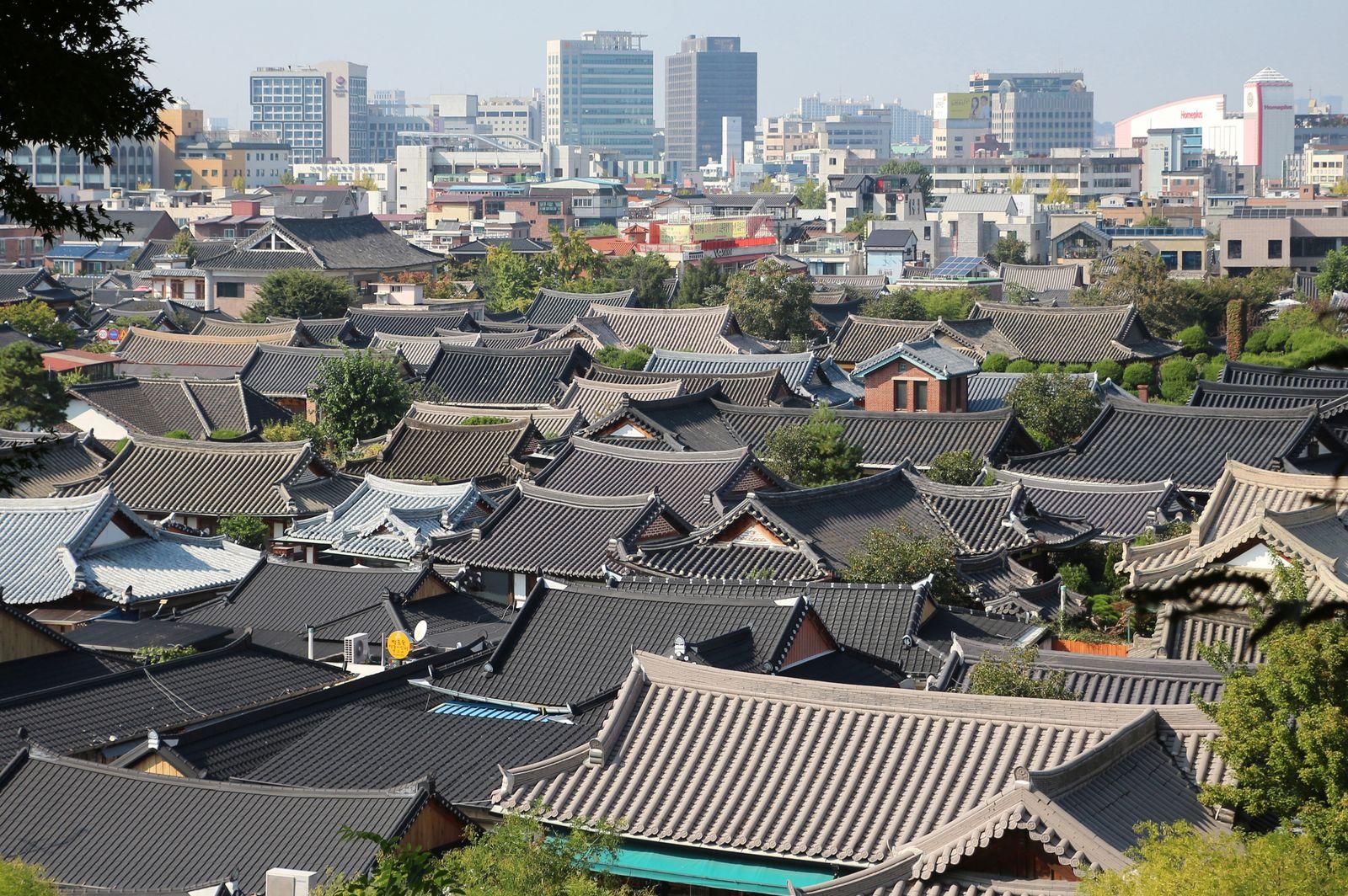
An example allocation is Seoul 4 nights, Jeonju 2 nights, Gyeongju 2 nights, Busan 4 nights and Seoul 1 final night. This totals 13 nights and assumes arrival and departure through the Seoul area.
Jeonju adds traditional architecture and a food-focused stay. However, it sits southwest of Seoul, while Gyeongju and Busan are to the southeast. The Jeonju–Gyeongju journey deserves a properly planned transfer window; it is not a quick stop on the same southbound rail line.
For help deciding whether that additional journey is worthwhile, read Seoul to Busan: Where to Stop Along the Way.
Choose Jeonju because you want to spend time there, and give the transfer room in your itinerary.
A two-week itinerary with Jeju
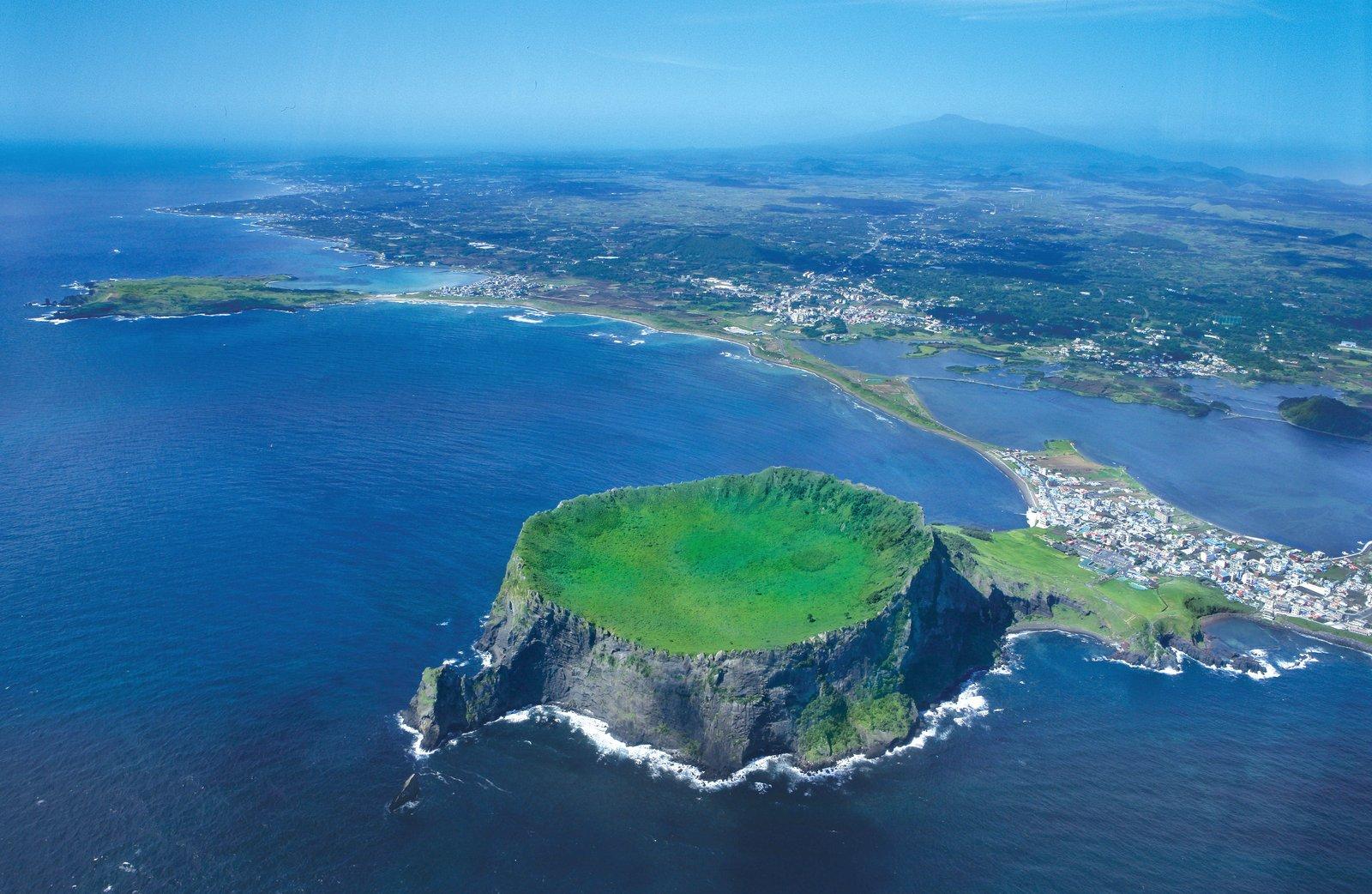
If island scenery is a priority, consider Seoul 4 nights, Gyeongju 2 nights, Busan 3 nights, Jeju 3 nights and Seoul 1 final night.
This version leaves Jeonju for another trip. It also gives Jeju three nights, rather than squeezing the island between two rushed airport days. Flight availability, airport locations and weather should shape the final order.
You can also keep the whole fortnight on the mainland with only three bases. Longer stays make space for a market visit, a thoughtful guided experience and afternoons that remain open.
Three details that should shape your trip length
Count full days, not just calendar dates. An evening arrival followed by an early departure a week later does not give you seven full sightseeing days.
Treat hotel changes as part of the itinerary. Packing, checking out, reaching the station and settling into a new room all use time. With children, older relatives or several suitcases, fewer bases can make the trip more comfortable.
Plan meals around your group, too. If unfamiliar food or chili heat is a concern, our guide to Non-Spicy Korean Food: What to Eat on Your First Trip offers a gentle starting point.
Choose your departure airport early. A route ending in Busan works differently from one returning to Incheon. If you need a separate domestic flight or an intercity train before your international departure, protect time for disruption and the final airport transfer.
Frequently asked questions
Is one week too short for South Korea?
No. A week can work well for Seoul or a focused Seoul-and-Busan itinerary. It becomes less comfortable when you add several regional cities and an island flight.
How many days should I spend in Seoul on a first visit?
As a planning starting point, allow three to five full sightseeing days. Choose the longer end if you enjoy museums, shopping, food, neighborhood walks or a day outside the city.
Should I choose 10 or 14 days in Korea?
Choose 10 days for a focused mainland introduction. Choose 14 if you want Jeju, another regional stay or more time between planned activities. Your preferred pace should decide the difference.
Can I visit Seoul, Busan and Jeju in one week?
It is possible to arrange the transport, but we would usually recommend choosing fewer destinations for a first seven-day visit. Airport time and hotel changes can take a substantial share of the week.
Plan your first Korea trip with Hanway
The right itinerary leaves you enough time to notice where you are: the sound of a market opening, a conversation over lunch or the first sea breeze after arriving in Busan.
Share your travel dates, arrival and departure airports, group size and the experiences you most want to remember. Hanway can help shape a private Korea journey around the time you have and the way you like to travel.
See the Korea everyone knows. Discover the Korea locals love.
DISCOVER MORE STORIES

Korean Hiking Culture: From Summit Photos to Makgeolli and Pajeon
2026.10.21

5 Winter Mountains in Korea Worth Building a Trip Around
2026.10.19

Korea Winter Travel: 5 Festivals for Ice Fishing, Sledding, and Snow Adventures
2026.10.16

Christmas in Korea: 5 Ways to Enjoy Seoul in December
2026.10.14

3 Korean Artisan Experiences: Meet the Makers Behind Traditional Crafts
2026.10.12

CONTACT
Plan My First Korea Trip
See the Korea everyone knows. Discover the Korea locals love.
SPEAK TO AN EXPERT