

The first thing you notice after landing in Jeju is the wind. It moves differently here. It pushes salt across the road, rattles rental car signs, and makes the palm trees look slightly annoyed. This jeju island travel guide solves the part most travelers overcomplicate: how to fly direct, pick the right base, and enjoy the island without treating it like a Seoul side quest.
Before you start
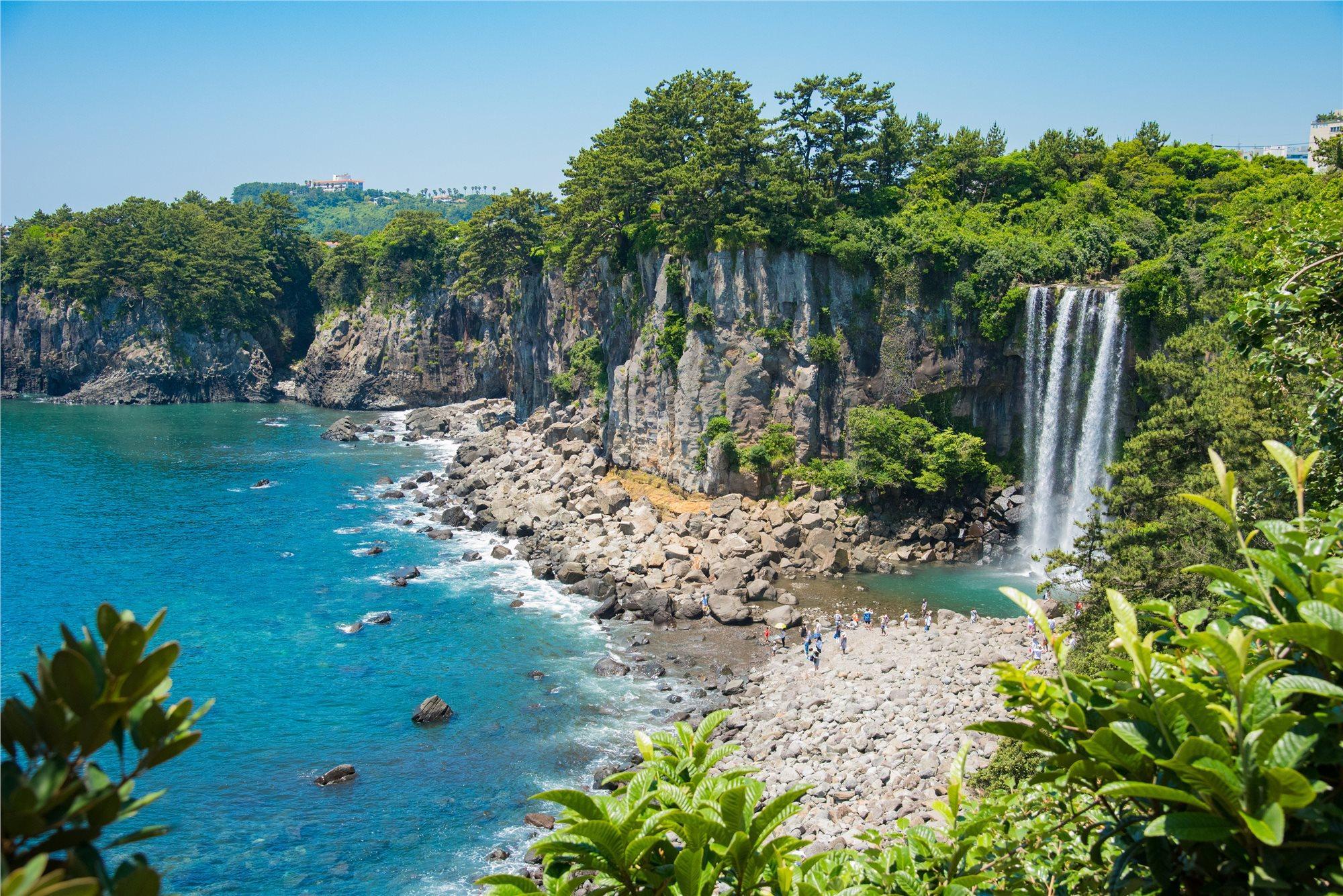
Plan Jeju as its own trip, not as a spare weekend tacked onto Seoul. Direct flights make that much easier for travelers from Singapore and nearby regional hubs. You land closer to beaches, volcanic landscapes, and smaller islands without burning energy on a mainland transfer.
First-timers usually get one thing wrong. They try to cover the whole island from one hotel. Jeju looks compact on a map, but weather, coastal roads, parking lots, and café detours stretch the day. A calmer plan uses two bases over three or more nights.
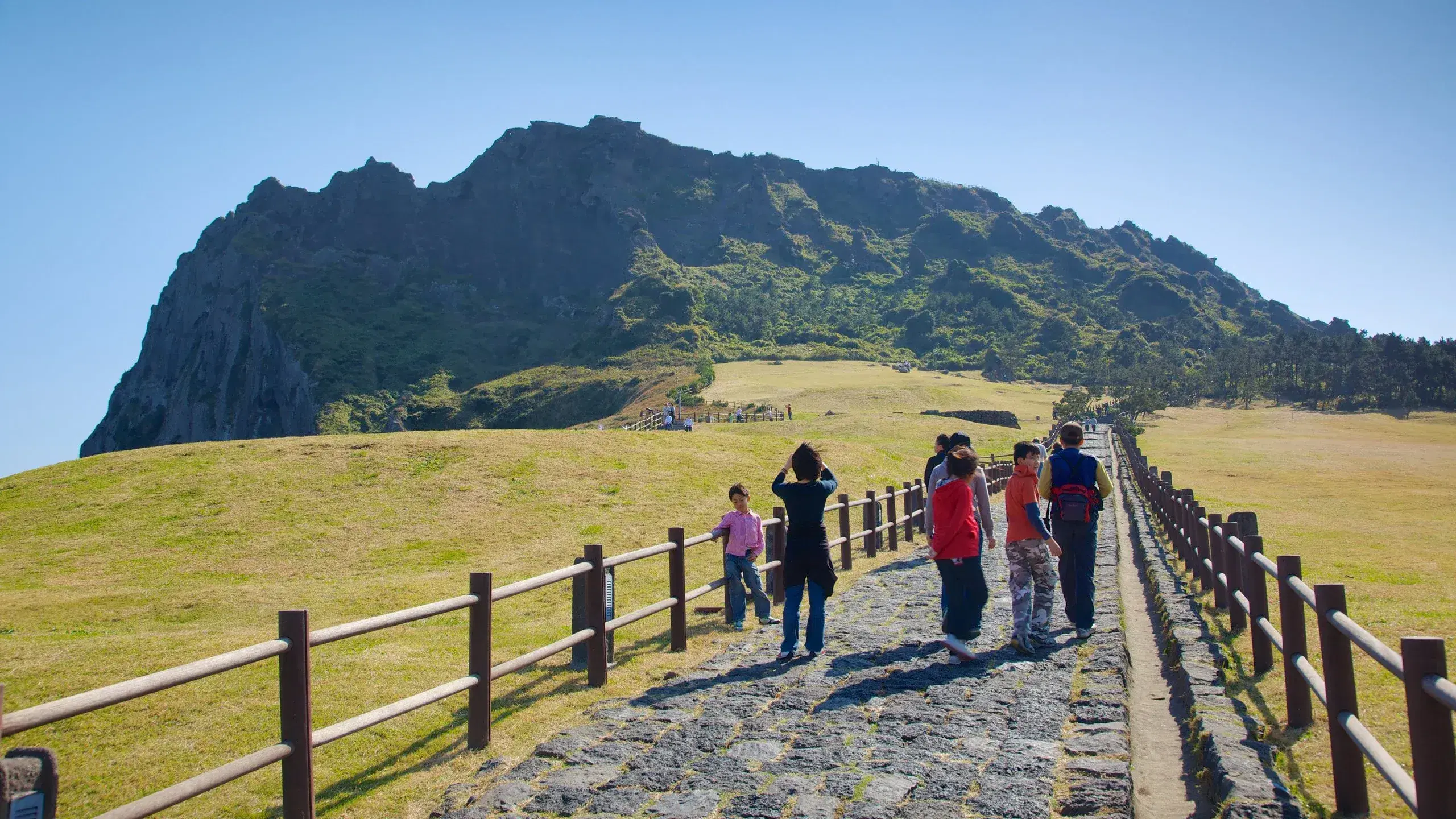
Also clear one common confusion now. Jeju is not only a beach trip. The coast matters, but the island’s rhythm comes from black rock, tangerine fields, low stone walls, market noise, and sudden fog near higher ground. Pack for both sun and damp wind.
Start with the direct-flight mindset
Treat Jeju International Airport as your real starting line. If you fly direct, resist the urge to add a Seoul stop just because most sample itineraries do. That extra connection often turns an island holiday into a luggage-management exercise. Nobody flies to Jeju for fluorescent transfer halls.
Your first day should feel deliberately soft. Stay in Jeju City if you arrive late, want food nearby, or prefer a practical first night. The city is not the postcard version of Jeju, but that is the point. You get markets, grill smoke, buses braking hard, and locals doing normal Tuesday things.
For a cleaner vacation mood, continue to a coastal stay after your first sleep. Do not schedule a big hike or ferry on arrival day. Wind delays and tired decisions have a way of making you pay twice.
Choose a two-base route
For three nights, split your stay between the north and the south. The north gives you airport access, livelier evenings, and easier first-night logistics. The south, around Seogwipo, feels slower. Mornings there smell like wet stone, seaweed, and coffee from small hotel kitchens.
The two-base plan also protects your mood. Jeju rewards people who leave space between stops. You see more by doing less, because the good parts often sit between the named sights: a roadside tangerine stand, a basalt wall glowing after rain, a harbor restaurant where the lunch rush ends suddenly and everyone exhales.
If you only have two nights, choose one side and commit. Pick north for food, convenience, and late arrival comfort. Pick south for cliffs, waterfalls, quieter mornings, and that soft island silence before tour groups arrive.
Book nature before beaches
Do your weather-sensitive plans early in the trip. Jeju’s coast can be bright while the interior sits under cloud, and the wind can turn a casual viewpoint into a hood-up, squinting contest. Save beaches for flexible afternoons. Sand is patient. Ferry captains and mountain weather are not.
Use the morning for volcanic landscapes, forest paths, or coastal formations. The light is cleaner, parking feels less tense, and groups have not fully filled the popular viewpoints. By early afternoon, the island gets louder. Café lines lengthen, rental cars cluster near photo spots, and everyone suddenly wants the same sea-view table.
Beaches work best later. Arrive when the glare drops and the day-trippers start checking their phones for dinner plans. Bring a light layer even in warm months. The breeze off the water has no interest in your outfit planning.
On Jeju, the smartest itinerary is not the fullest one. It is the one with a Plan B built into every windy afternoon.
Use ferries only when the weather agrees
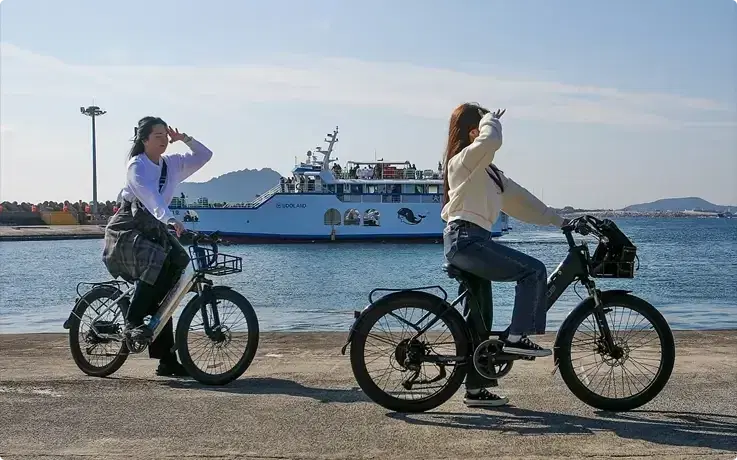
Island-hopping is worth considering, especially if you want Jeju to feel less like a circuit of famous stops. Udo is the obvious add-on, with open water, low roads, and a different pace from the main island. It feels lighter. The horizon does more of the work.
Do not force a ferry day. Check the conditions the night before and again in the morning. If the wind looks rough, swap in a coastal drive, market lunch, or café-heavy afternoon. Experienced Jeju travelers keep one loose day for exactly this reason.
Carry less than you think. A small day bag beats a rolling suitcase near harbors, where ramps, crowds, and wet pavement make everyone walk like they are pretending not to panic. Keep both hands free if you can.
Eat where the island is loudest
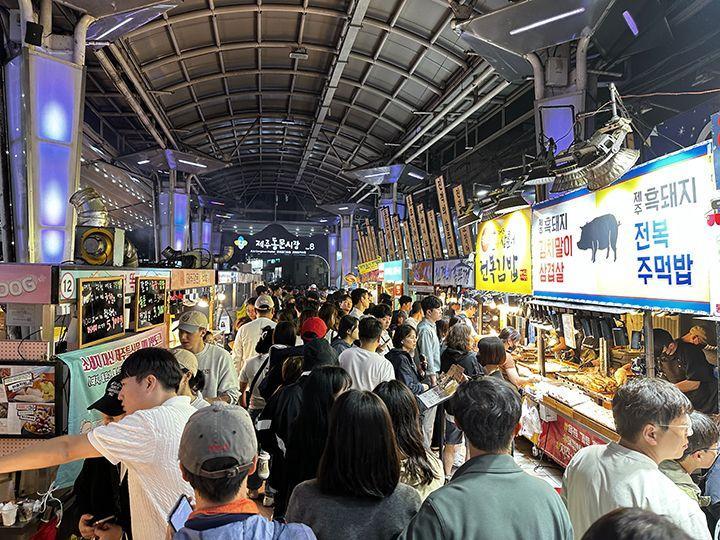
Jeju’s best meals are often not quiet. Follow the clatter. Look for places where steam fogs the windows, staff shout table numbers, and locals arrive in work clothes rather than beach linen. Around markets and harbor areas, lunch can feel fast and slightly chaotic. That is usually a good sign.
Build meals around where you already are. Do not cross the island for a single restaurant unless it anchors a whole half-day. Jeju food rewards timing more than obsession. Early lunch avoids the worst queues, and late dinner works better in busier districts than in quiet coastal villages.
- Choose market areas for casual meals and snack grazing.
- Choose harbor areas when you want seafood and noise.
- Choose hotel-adjacent dinners after long nature days.
Ordering can feel brisk. Pointing is fine when menus are visual. If a place has a queue, decide before you reach the counter. The people behind you will not applaud your reflective process.
Want a Jeju trip that fits the way you travel?
Jeju is easy to reach, but getting the route right can make a big difference. Where you stay, how many nights you have, whether you prefer nature, food, beaches, cafés, or quieter local experiences — all of these can change what the best Jeju itinerary looks like.
That is where Hanway can help.
Instead of following a fixed Jeju itinerary, Hanway can create a personalized Jeju travel plan based on your schedule, interests, travel style, and pace. Whether you want a relaxed three-day escape, a nature-focused road trip, a family-friendly holiday, or a longer journey combining Jeju with other parts of Korea, we can help build a route that makes sense for you.
Tell us when you are coming, how long you have, and what kind of Korea trip you want. Hanway will help turn those details into a Jeju itinerary designed around you.
Your trip to Jeju does not have to look like everyone else’s. Plan it your way with Hanway.
DISCOVER MORE STORIES

Is Jeju Island Worth Visiting in Winter? 5 Things to Enjoy on Your Trip
2026.09.21

Beyond Seoul: The Best Places to Visit in Korea with Family
2026.09.18

Hanok Stays in Korea: Where to Spend a Night in Seoul, Jeonju, and Gyeongju
2026.09.16

Why Visit Jeonju? A Guide to Korea’s City of Hanok, Food, and Living Traditions
2026.09.14

Traveling in Korea During Chuseok: Essential Tips for Visitors
2026.09.10

CONTACT
Plan Jeju without the guesswork
Hanway builds custom Korea itineraries for independent travelers, including direct-flight Jeju routes, quieter coastal bases, and island add-ons that fit your pace.
SPEAK TO AN EXPERT