

Korea is famous for its fast-moving cities, advanced technology, and exciting food culture. But beyond the bright lights of Seoul, there is another side of the country—quiet mountain temples, early morning meditation, simple meals, and centuries-old Buddhist traditions.
A Korea temple stay allows travelers to slow down and experience this peaceful side of Korean life. Rather than simply visiting a temple for an hour, you can spend meaningful time within it and learn about Korean Buddhist culture firsthand.
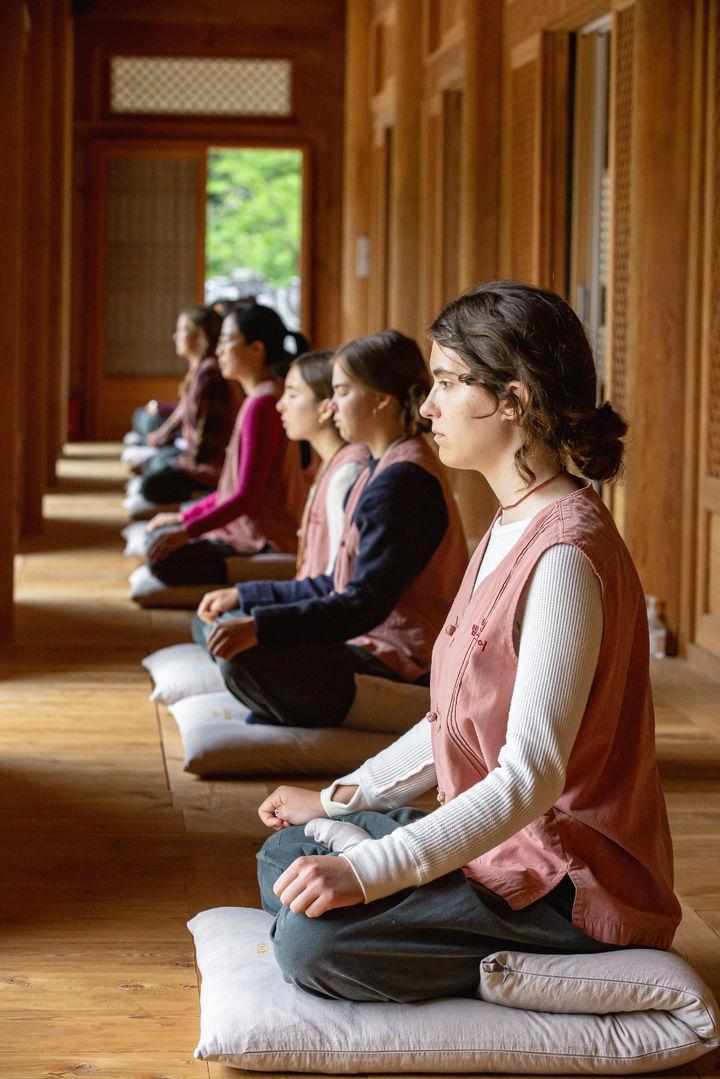
What Is a Temple Stay in Korea?
A Korean temple stay is a cultural program that allows visitors to experience daily life at a Buddhist temple.
Depending on the temple and program, activities may include:
- Seon meditation
- Buddhist morning or evening ceremonies
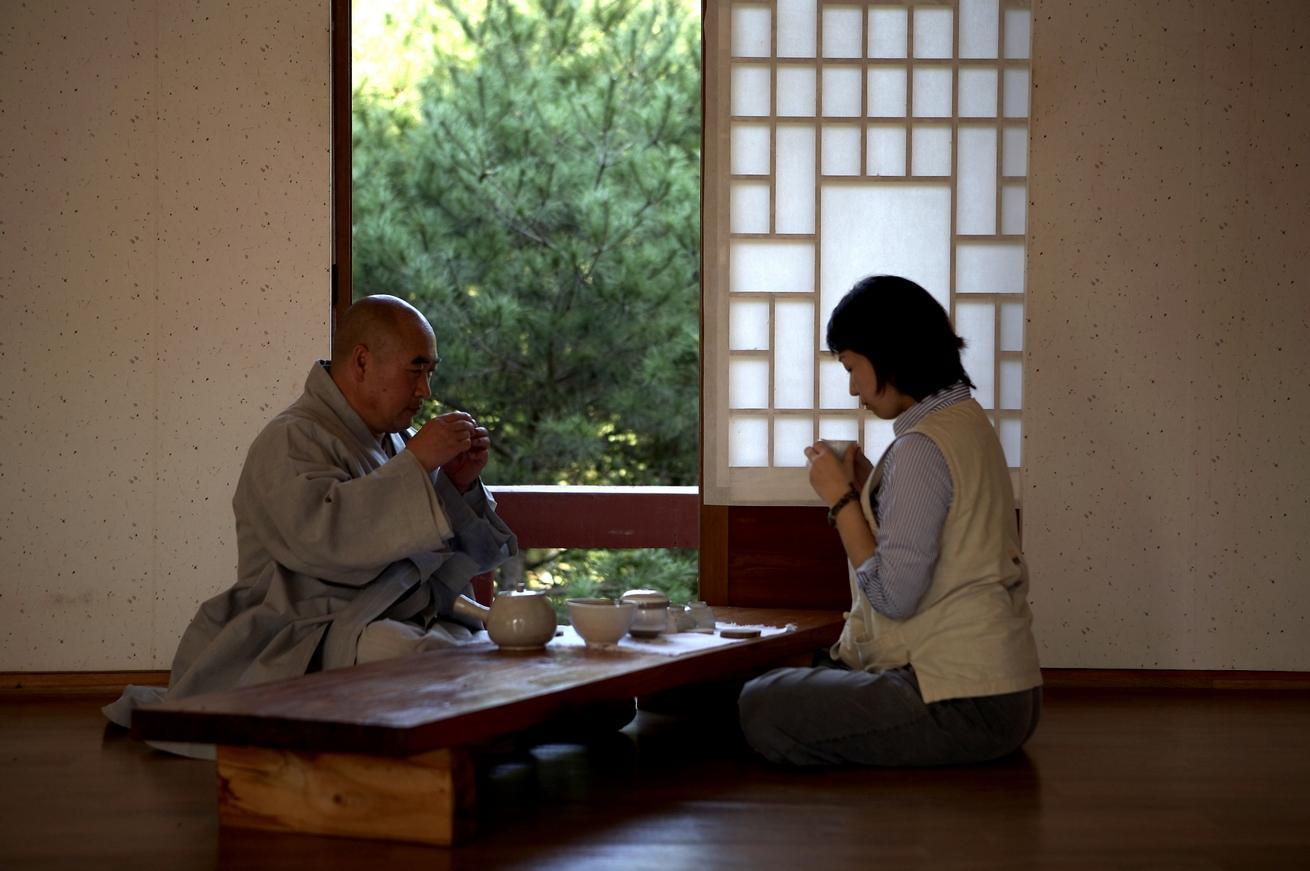
- Tea ceremonies with monks
- Temple tours
- 108 prostrations
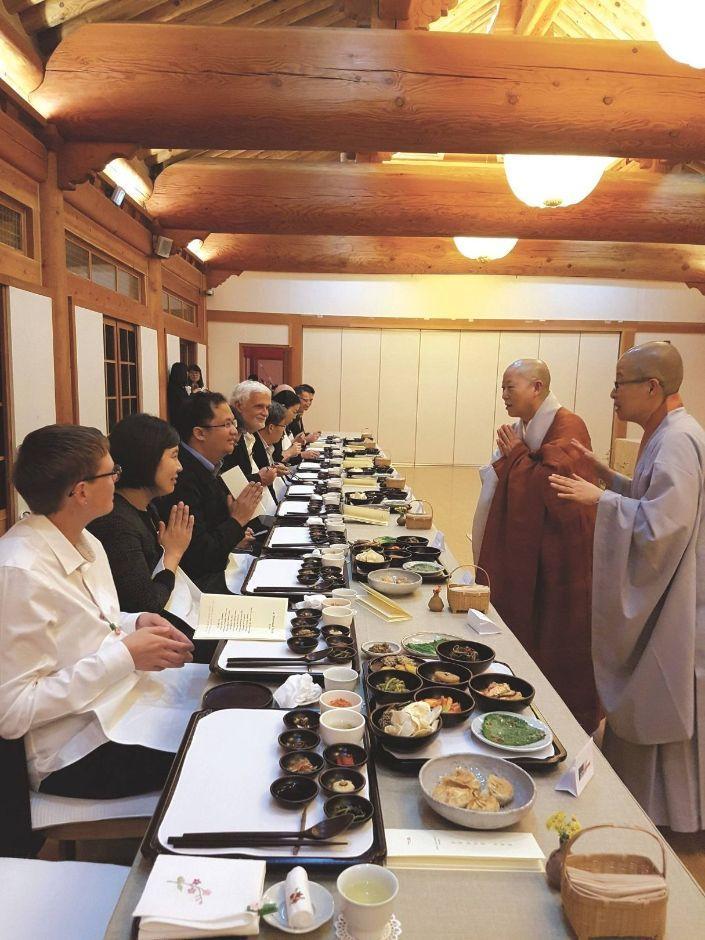
- Communal temple meals
- Walking meditation
- Traditional cultural activities
Programs range from a few hours to an overnight 1-night, 2-day temple stay. Some focus on cultural experiences, while others offer more free time for rest and reflection.
Do You Need to Be Buddhist to Join a Korea Temple Stay?

No. You do not need to be Buddhist or have any previous meditation experience.
Temple stays are open to travelers of different religions and cultural backgrounds. The purpose is not to convert visitors but to introduce Korean Buddhist traditions in a respectful and accessible way.
For international travelers, it can be one of the most meaningful opportunities to learn about Korean culture beyond palaces, shopping districts, and popular tourist attractions.
What Can You Expect During an Overnight Temple Stay?
Most overnight programs begin with an orientation covering temple etiquette, the daily schedule, and appropriate behavior.
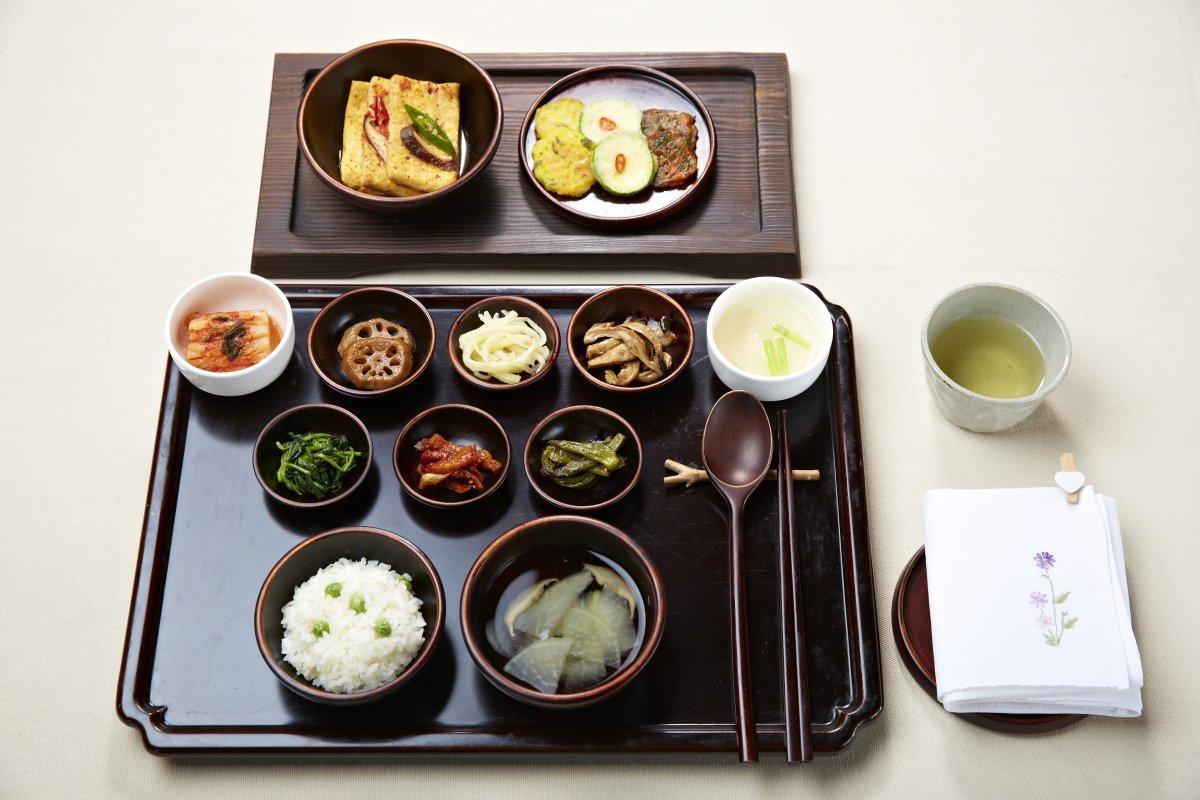
You may then join a temple tour, meditation session, Buddhist ceremony, or tea conversation with a monk. Meals are usually simple and largely plant-based, reflecting the principles of Korean temple food.
Accommodation is generally clean but basic. Depending on the temple, bathrooms and sleeping rooms may be shared, and guests may sleep on traditional floor bedding.
Morning ceremonies can begin very early, so a temple stay is different from a conventional hotel experience. It is best approached with an open mind and a willingness to follow the temple’s schedule.
Where Are the Best Temple Stays in Korea?
The best Korean temple stay depends on your itinerary and the experience you want.
Temple Stay in Seoul
A temple stay in Seoul is ideal for travelers with limited time. Temples such as Jogyesa, Bongeunsa, and the International Seon Center offer programs within the city, making them easier to include in a Seoul itinerary.
Some provide one-day meditation or tea programs, while others offer overnight stays.
Temple Stay in Gyeongju
Gyeongju combines ancient Korean history with Buddhist heritage. Bulguksa is one of Korea’s best-known Buddhist temples, while Golgulsa is recognized for Seonmudo, a Korean Buddhist practice combining meditation and martial arts.
A temple stay can be paired naturally with Gyeongju’s royal tombs, historic neighborhoods, and UNESCO World Heritage sites.
Temple Stay Surrounded by Nature
Travelers looking for a deeper retreat may prefer a mountain temple outside the major cities. Temples such as Haeinsa offer peaceful natural surroundings and a stronger sense of separation from everyday life.
These locations can be rewarding, but transportation and English-language availability should be checked in advance.
Is a Korea Temple Stay Suitable for Families?
Some temple stays welcome families and children, but age requirements and programs differ by temple.
Families should consider the early schedule, shared accommodation, meditation sessions, and the child’s ability to remain quiet during ceremonies. A short daytime program may be more comfortable than an overnight stay for families with young children.
Hanway can help identify an experience that fits your family’s pace and wider Korea itinerary.
What Should You Wear and Bring?
Comfortable, modest clothing is recommended. Avoid sleeveless tops, short skirts, and clothing that may feel inappropriate in a religious setting.
Useful items include:
- Comfortable socks
- Toiletries
- A reusable water bottle
- Simple layered clothing
- Any essential medication
- A small bag for personal belongings
Temple uniforms are often provided, but arrangements differ between programs. Always check the specific temple’s instructions before visiting.
Is a Korean Temple Stay Worth It?
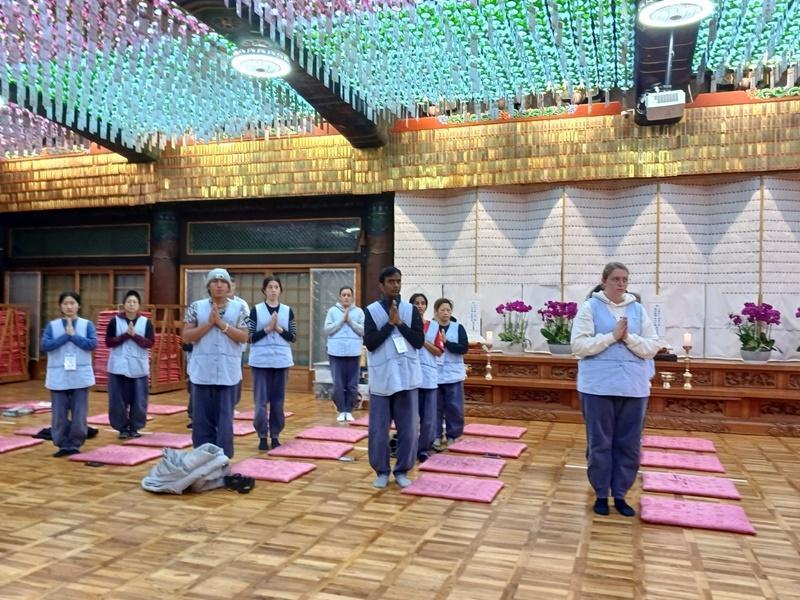
Yes—especially if you want to experience Korea beyond its most familiar attractions.
A temple stay is not about luxury or entertainment. Its value comes from slowing down, observing a different rhythm of life, and engaging respectfully with a living cultural tradition.
Whether you choose a short tea ceremony in Seoul or an overnight retreat in the mountains, a Buddhist temple stay in Korea can become one of the most memorable parts of your journey.
Add a Temple Stay to Your Private Korea Tour
Choosing the right temple requires more than finding a famous name. Location, transportation, program language, physical activity, and your overall itinerary all matter.
Hanway can incorporate a suitable temple stay into a personalized Korea trip while coordinating the surrounding destinations, private transportation, accommodation, and cultural experiences. This allows you to experience Korea at a slower pace without making the rest of your journey complicated.
DISCOVER MORE STORIES

Is Jeju Island Worth Visiting in Winter? 5 Things to Enjoy on Your Trip
2026.09.21

Beyond Seoul: The Best Places to Visit in Korea with Family
2026.09.18

Hanok Stays in Korea: Where to Spend a Night in Seoul, Jeonju, and Gyeongju
2026.09.16

Why Visit Jeonju? A Guide to Korea’s City of Hanok, Food, and Living Traditions
2026.09.14

Traveling in Korea During Chuseok: Essential Tips for Visitors
2026.09.10

CONTACT
Experience the Peaceful Side of Korea with Hanway
Looking for a temple stay that fits naturally into your Korea trip? Hanway will create a personalized itinerary based on your interests, preferred pace, and travel style—from peaceful Buddhist temples to Korea’s most meaningful cultural destinations.
SPEAK TO AN EXPERT