

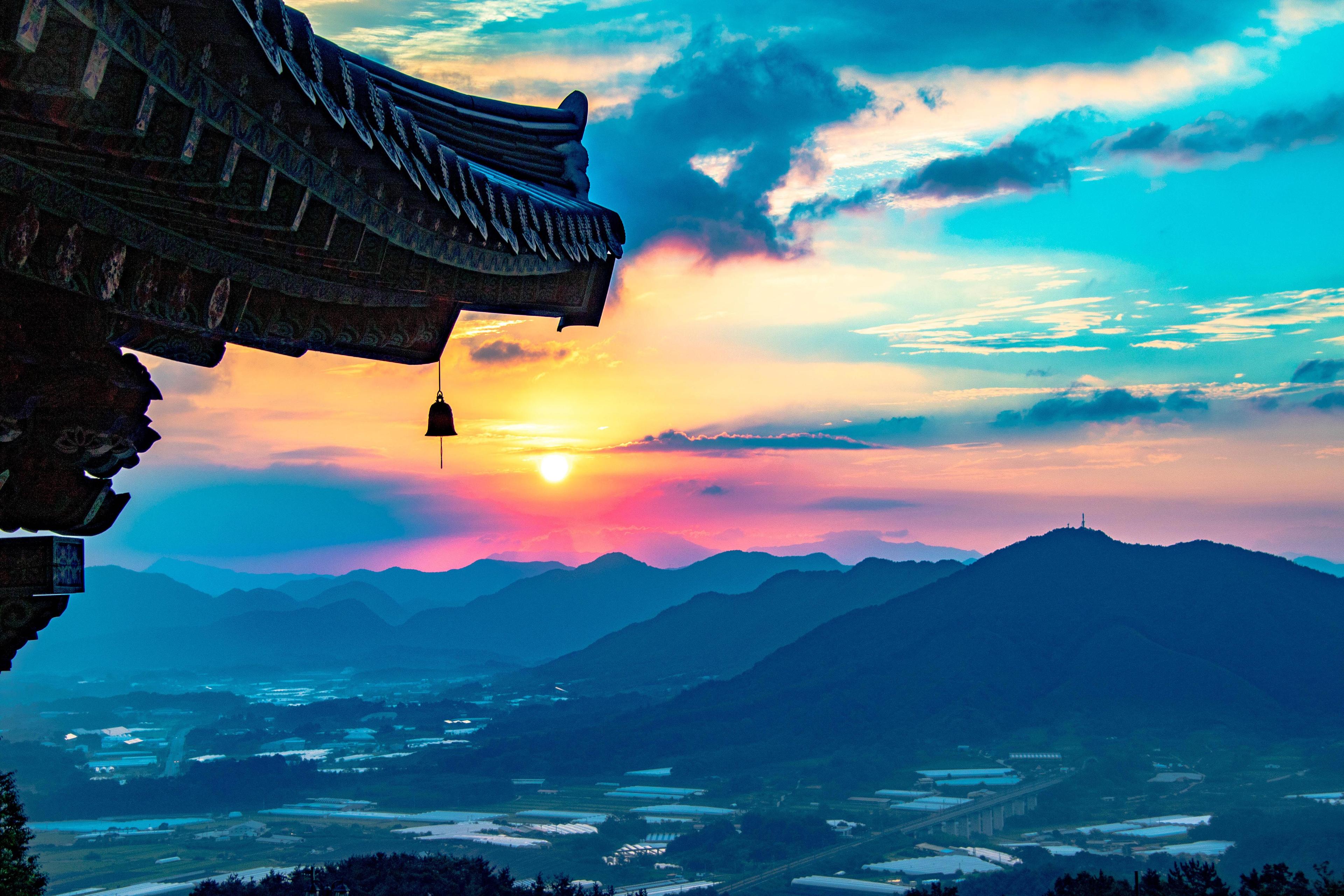
Korea’s Buddhist temples are more than historic landmarks. They are living places of worship where architecture, nature, philosophy, and everyday spiritual practice come together.
For international travelers wondering which temples are worth visiting, three destinations stand out: Haeinsa Temple in Hapcheon, Bulguksa Temple in Gyeongju, and Bongeunsa Temple in Seoul.
Each offers a different way to understand Korean Buddhism—from UNESCO-listed heritage hidden in the mountains to a peaceful sanctuary in the center of modern Seoul.
1. Haeinsa Temple: Korea’s Most Important Buddhist Archive
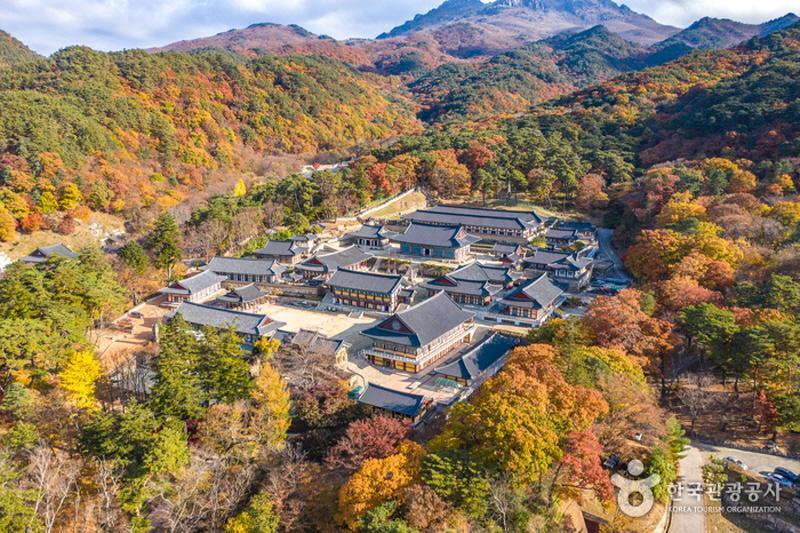
Location: Hapcheon, Gyeongsangnam-do
Best for: UNESCO heritage, Buddhist history, mountain scenery, and slow travel
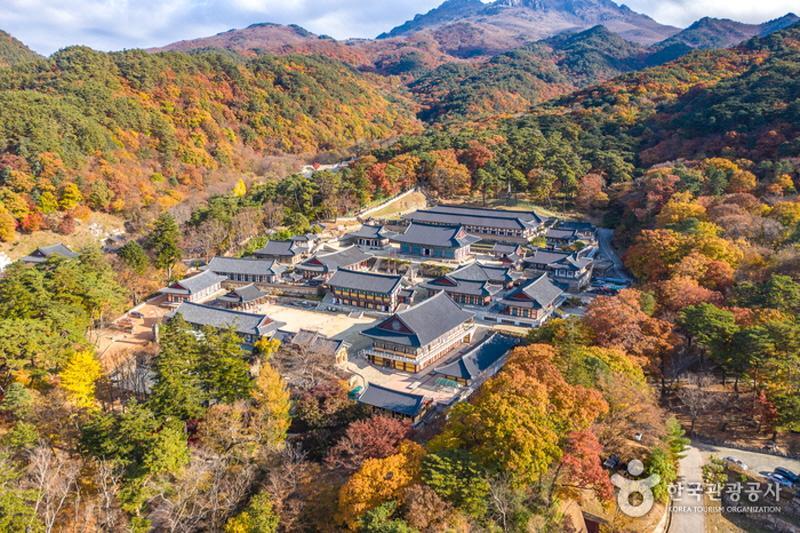
Located on Gayasan Mountain, Haeinsa Temple is one of Korea’s three major Buddhist temples and one of the country’s most important religious sites.
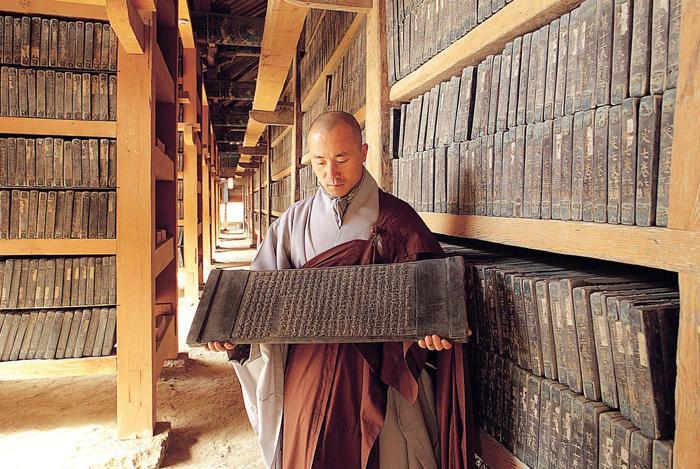
The temple is best known for preserving the Tripitaka Koreana, a collection of Buddhist scriptures carved onto nearly 80,000 wooden printing blocks during the 13th century. It is considered one of the most complete collections of Buddhist texts in the world.
The woodblocks are housed inside Janggyeong Panjeon, a UNESCO World Heritage site. The 15th-century buildings were designed with natural ventilation and humidity control that have helped preserve the collection for centuries.
Why Should International Travelers Visit Haeinsa?
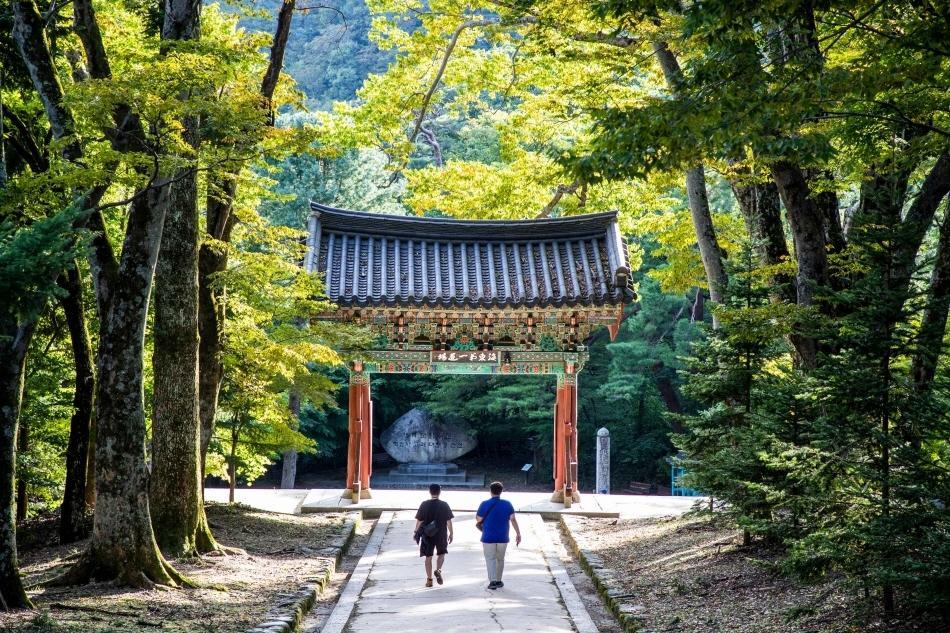
Haeinsa offers more than an impressive historical collection. Its remote mountain setting creates a sense of stillness that is difficult to find in Korea’s major cities.
The journey through Gayasan National Park, the sound of water in the surrounding valleys, and the traditional temple buildings make the visit feel like a gradual transition away from everyday life.
Travelers interested in history, religion, philosophy, or traditional Korean knowledge will find Haeinsa especially meaningful.
What Should You Know Before Visiting Haeinsa?
Haeinsa is less convenient to reach than temples in Seoul or Gyeongju. Public transportation is available, but the journey can involve several connections.
A private vehicle or carefully planned regional itinerary makes the visit much easier. Access to specific areas related to the Tripitaka Koreana may also be restricted or require advance arrangements, so current visitor information should be checked before arrival.
2. Bulguksa Temple: The Masterpiece of Silla Buddhist Culture
Location: Gyeongju, Gyeongsangbuk-do
Best for: First-time visitors, Korean history, architecture, and UNESCO heritage
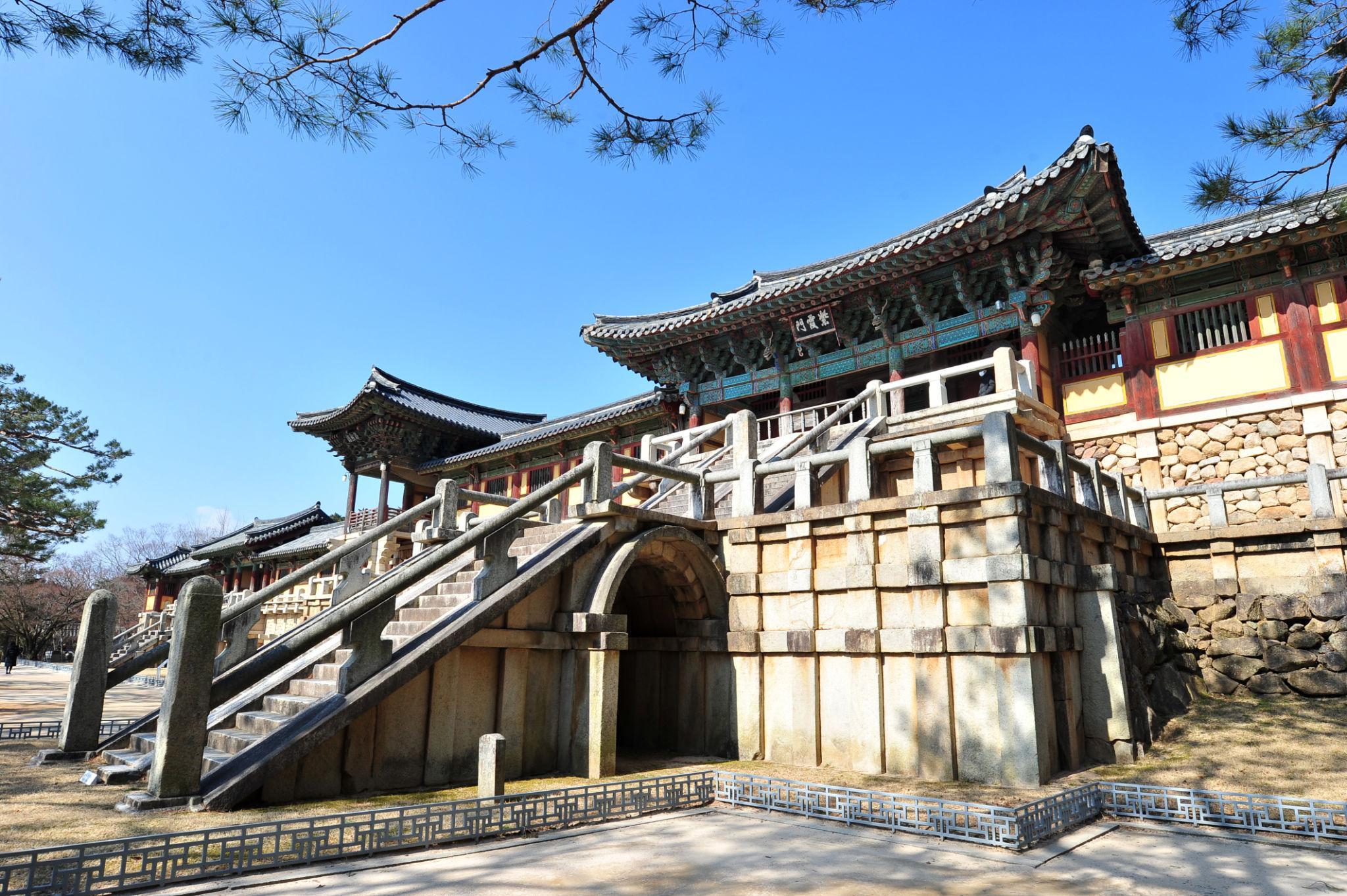
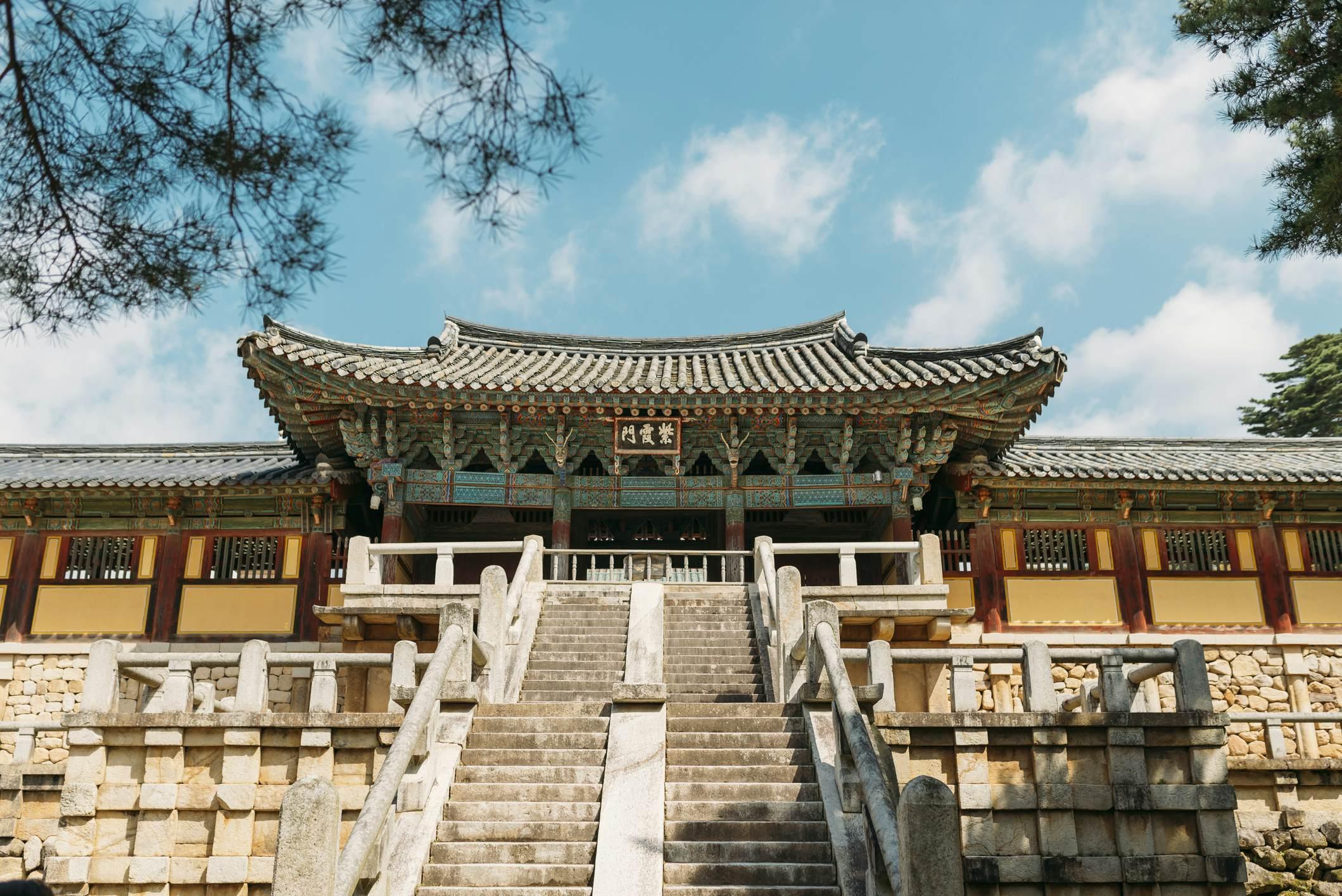
Bulguksa Temple is one of the most famous Buddhist temples in Korea. Located in Gyeongju, the ancient capital of the Silla Kingdom, it represents the artistic and spiritual achievements of one of Korea’s most influential historical periods.
The temple complex is known for its elegant stone terraces, bridges, wooden halls, and two celebrated pagodas: Dabotap and Seokgatap. Together, these elements were designed to express the Buddhist vision of an ideal spiritual world.
Bulguksa and the nearby Seokguram Grotto were jointly designated as a UNESCO World Heritage site in 1995.
Why Is Bulguksa One of the Best Temples to Visit in Korea?
Bulguksa is an excellent choice for travelers visiting a Korean Buddhist temple for the first time. Its history is significant, its architecture is visually striking, and it fits naturally into a wider Gyeongju itinerary.
A visit can be combined with Seokguram Grotto, royal tombs, traditional neighborhoods, and other landmarks connected to the Silla Kingdom. This makes it possible to understand the temple as part of a much larger historical story.
The experience is particularly beautiful in spring, when the grounds are surrounded by fresh greenery, and in autumn, when the mountain landscape changes color.
How Much Time Should You Spend at Bulguksa?
Allow at least one to two hours to explore the temple without rushing. Visiting early in the morning can provide a quieter experience before larger tour groups arrive.
Travelers who also want to visit Seokguram Grotto should allow additional time. Although the two sites are closely connected historically, they are separated by several kilometers of mountain road.
3. Bongeunsa Temple: Traditional Korea in the Heart of Seoul
Location: Gangnam, Seoul
Best for: Short itineraries, first-time visitors, urban culture, and convenient temple experiences
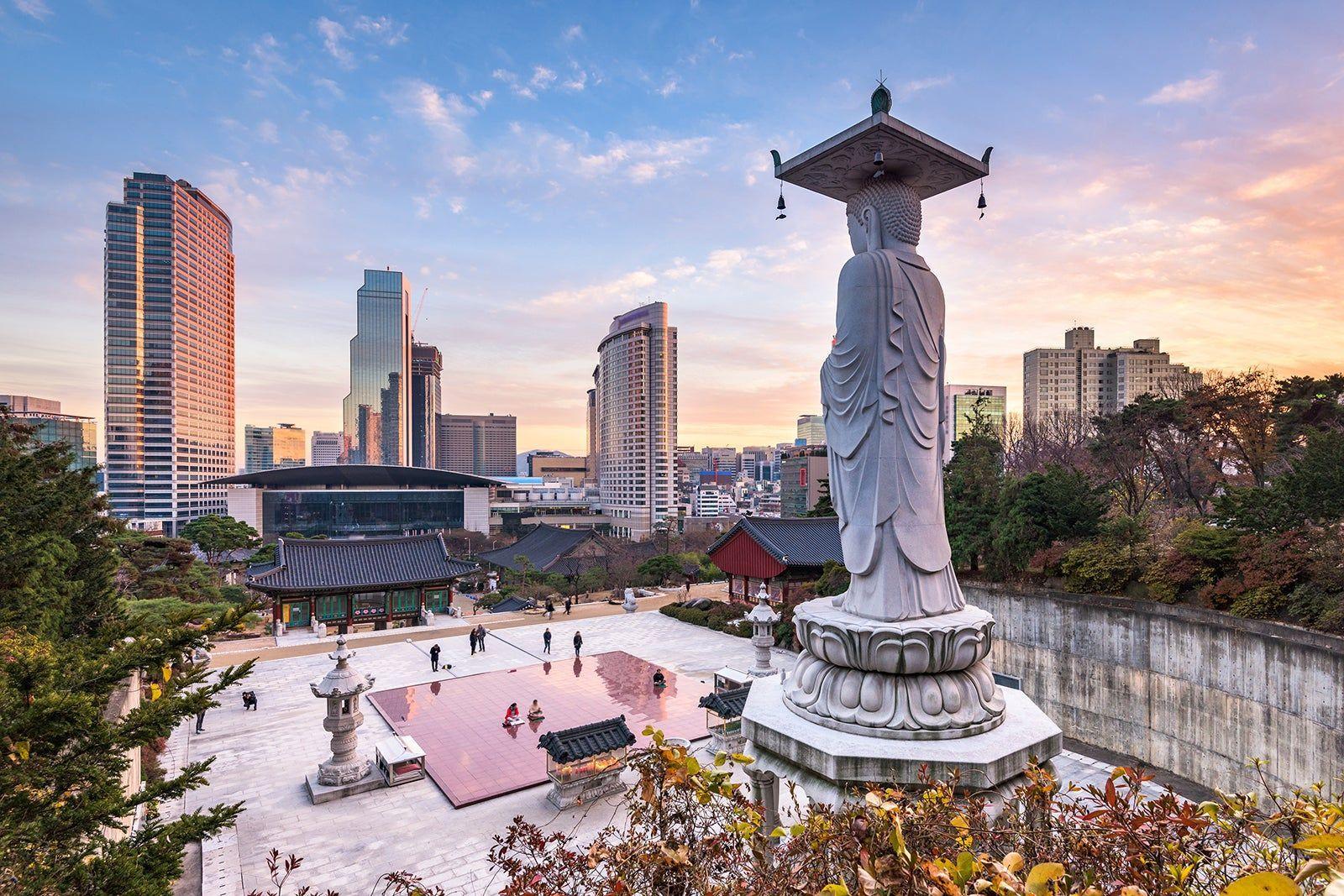
Directly across from COEX in Gangnam, Bongeunsa Temple offers one of Seoul’s most striking contrasts.
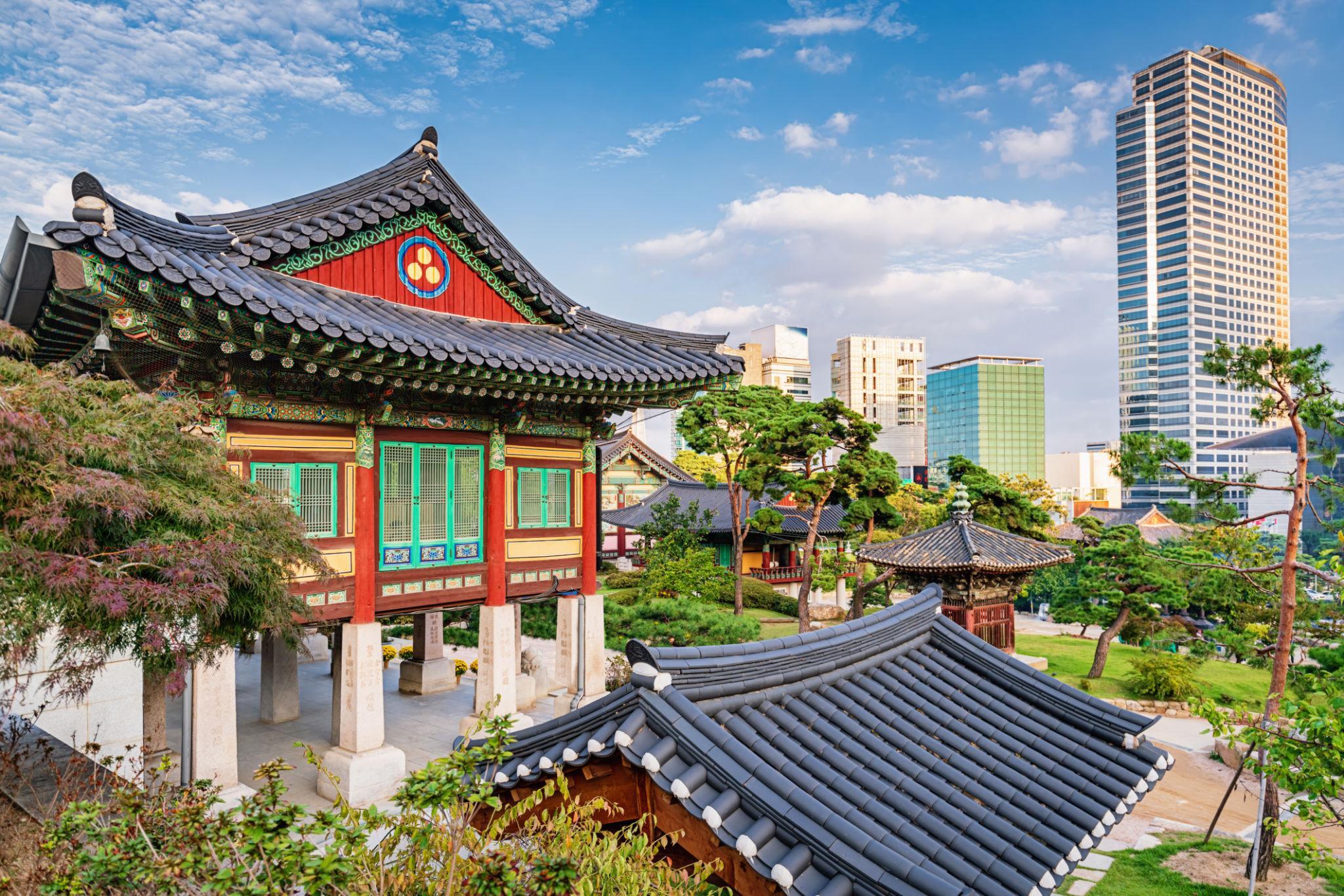
Modern office towers and shopping centers surround a Buddhist temple founded in 794. Once inside the grounds, the sounds and pace of the city begin to feel more distant.
Visitors can walk through traditional temple gates, see colorful Buddhist halls, observe local worshippers, and visit the large statue of Maitreya Buddha.
Why Visit Bongeunsa Temple in Seoul?
Bongeunsa is one of the easiest temples for international travelers to include in a Seoul itinerary. It does not require a long journey outside the city, yet it offers a meaningful introduction to Korean Buddhist culture.
It is especially suitable for travelers who want to experience a Korean temple but do not have time to visit Gyeongju or a remote mountain region.
The contrast between the temple and Gangnam’s modern skyline also tells an important story about Korea: old traditions and contemporary life do not simply exist in separate places—they continue side by side.
Can Foreign Travelers Join a Temple Stay at Bongeunsa?
Bongeunsa offers Buddhist cultural and temple stay programs, although schedules, languages, and availability can change.
Depending on the program, participants may experience meditation, temple etiquette, a tea ceremony, or an overnight stay. Reservations should be made in advance through Korea’s official Templestay platform.
Which Korean Temple Is Right for You?
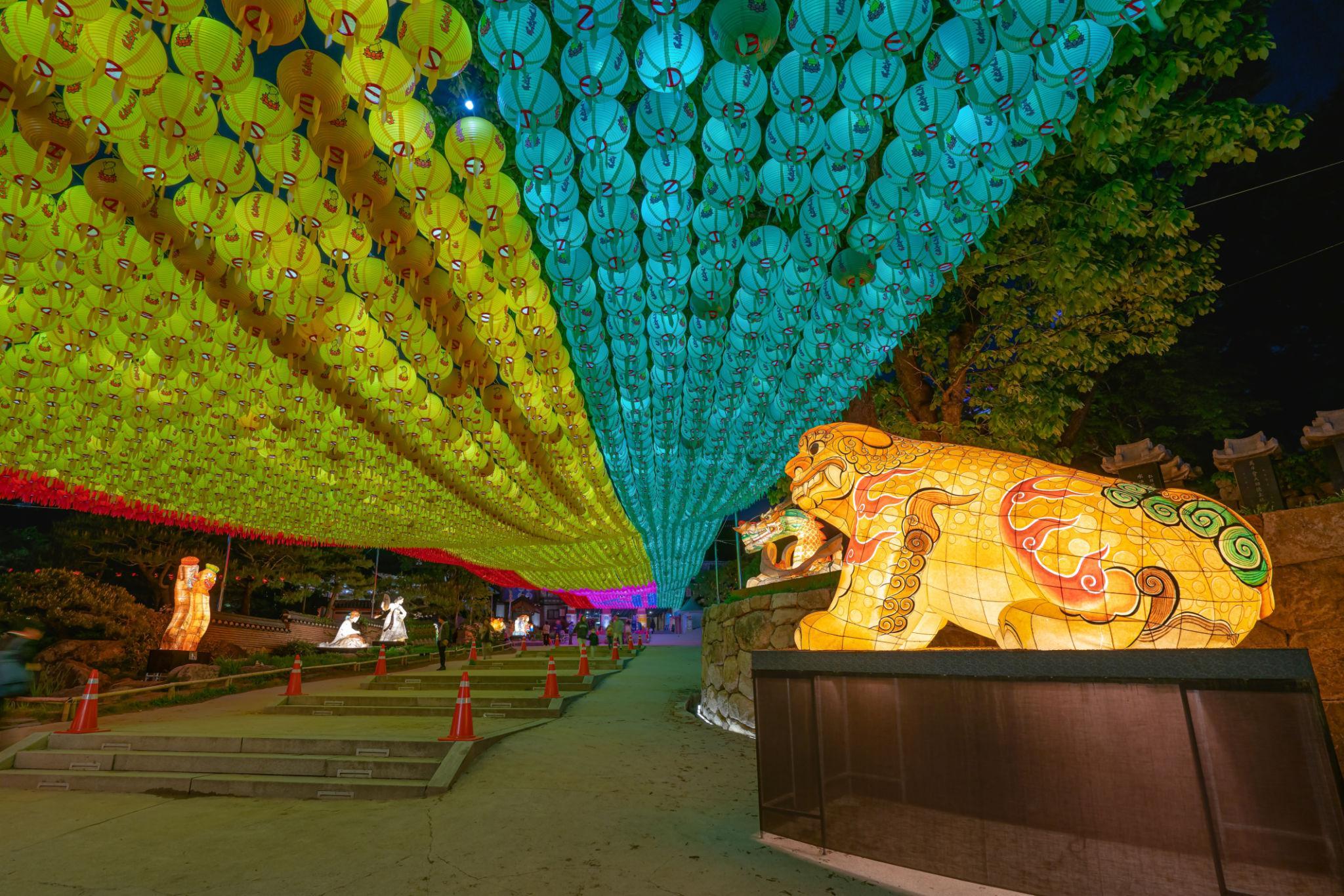
Choose Haeinsa Temple if you are interested in Buddhist history, UNESCO heritage, mountain landscapes, and destinations beyond Korea’s standard tourist route.
Choose Bulguksa Temple if you want to explore ancient Korean history and combine a temple visit with Gyeongju’s palaces, tombs, traditional neighborhoods, and cultural sites.
Choose Bongeunsa Temple if you have limited time or want an accessible Buddhist temple experience within Seoul.
Travelers with a longer itinerary do not necessarily need to choose only one. Each temple represents a different part of Korea’s Buddhist heritage.
When Is the Best Time to Visit Korean Temples?
Korean Buddhist temples can be visited throughout the year, but each season creates a different atmosphere.
- Spring: Mild weather, flowers, and fresh mountain scenery
- Summer: Green landscapes, with heat and humidity in many regions
- Autumn: Colorful foliage and comfortable walking weather
- Winter: Quiet temple grounds and a more contemplative atmosphere
Spring and autumn are generally the most comfortable seasons, but they can also be busier. Visiting early in the day provides a calmer experience in any season.
What Etiquette Should Visitors Follow at a Korean Temple?
Korean temples welcome respectful visitors, regardless of religion.
Wear modest clothing, speak quietly, and avoid interrupting ceremonies or photographing people while they are praying. Shoes must be removed before entering certain buildings, and some halls may restrict photography.
A temple is not simply a tourist attraction. Observing how local visitors behave and approaching the space calmly will make the experience more respectful and meaningful.
Experience Korea’s Buddhist Heritage with Hanway
A temple visit becomes more memorable when it is connected to the history, landscape, and culture surrounding it.
Hanway can design a private Korea itinerary that includes the right Buddhist temples for your interests and travel schedule. We coordinate transportation, knowledgeable local guidance, suitable accommodation, and nearby cultural experiences—while allowing enough time to explore without rushing.
Whether you want to visit Haeinsa’s mountain sanctuary, discover the Silla heritage of Bulguksa, or experience a peaceful moment in the center of Seoul, Hanway helps you see the deeper side of Korea.
DISCOVER MORE STORIES

Is Jeju Island Worth Visiting in Winter? 5 Things to Enjoy on Your Trip
2026.09.21

Beyond Seoul: The Best Places to Visit in Korea with Family
2026.09.18

Hanok Stays in Korea: Where to Spend a Night in Seoul, Jeonju, and Gyeongju
2026.09.16

Why Visit Jeonju? A Guide to Korea’s City of Hanok, Food, and Living Traditions
2026.09.14

Traveling in Korea During Chuseok: Essential Tips for Visitors
2026.09.10

CONTACT
Discover Korea’s Most Meaningful Temples with Hanway
Tell us your travel dates, interests, and preferred pace. Hanway will design a personalized Korea itinerary connecting Buddhist heritage, historic cities, peaceful landscapes, and authentic local experiences.
SPEAK TO AN EXPERT